White flour pneumatic conveying systems are integral to the food processing sector, particularly for managing fine powders like white flour. These systems leverage air to transport materials, offering a clean, efficient, and hygienic alternative to traditional mechanical conveying methods. Understanding the system's components and operational principles is vital for optimizing production workflows and maintaining product quality throughout the process.
About Shandong HeadPowder Engineering Co., Ltd.
HeadPowder, a leading engineering firm specializing in powder handling solutions, has established itself as a trusted provider of pneumatic conveying systems. With a focus on innovation and adherence to industry standards, the company delivers tailored solutions for clients in the food and related industries. Headquartered in Shandong, China, HeadPowder combines local expertise with advanced technology to ensure reliable and efficient operations for its customers worldwide.
Key Components of a White Flour Pneumatic Conveying System
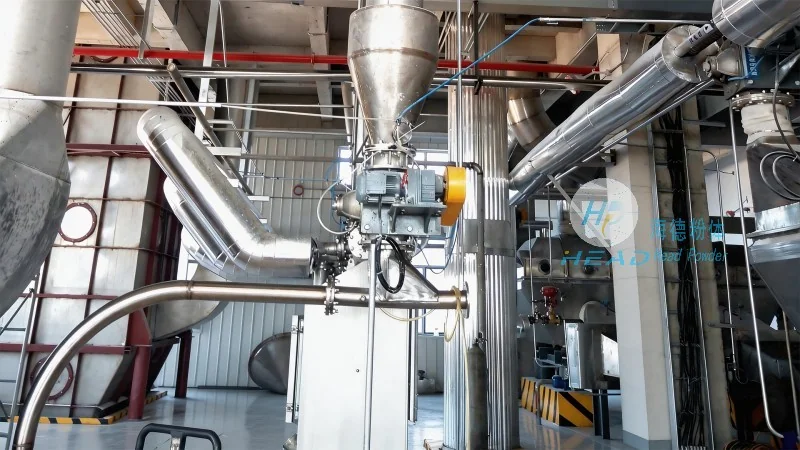
A standard white flour pneumatic conveying system comprises several critical elements that collaborate to facilitate smooth material transport. The primary components include the hopper, which stores the white flour; the air compressor or blower, responsible for generating the air pressure necessary for conveying; the pipeline network, which transports the flour and air mixture; and the receiver or discharge unit, where the flour is collected after air separation. Each component is designed to ensure optimal performance, safety, and hygiene in the handling of white flour.
How the System Operates
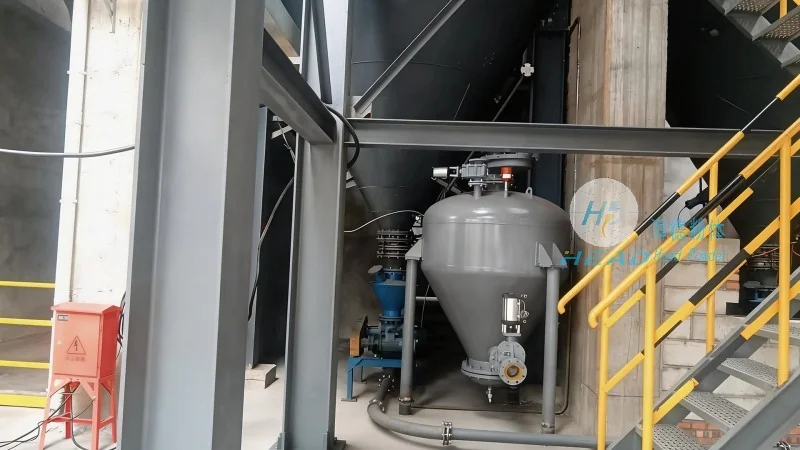
The operation of a white flour pneumatic conveying system involves a controlled sequence of air and material movement. Initially, white flour is fed into the hopper. The air compressor then creates a pressure differential, drawing the flour into the pipeline as it mixes with the air. This mixture travels through the pipeline to the receiver, where air is separated from the flour—typically via a cyclone or filter. The separated flour is collected, while the air is either recirculated or vented, depending on the system design. This process ensures minimal product loss and maintains the purity of the white flour throughout transport.
Advantages of Pneumatic Conveying for White Flour
Adopting a pneumatic conveying system for white flour offers several key advantages over conventional methods. One significant benefit is enhanced hygiene, as the system minimizes product contamination and aligns with stringent food safety regulations. Additionally, pneumatic conveying reduces the risk of dust explosions compared to mechanical systems, improving workplace safety. The system also provides flexibility in layout, allowing seamless integration into existing production lines. Furthermore, it can boost production efficiency by reducing downtime and labor costs associated with manual handling of flour.
Applications in the Food Industry
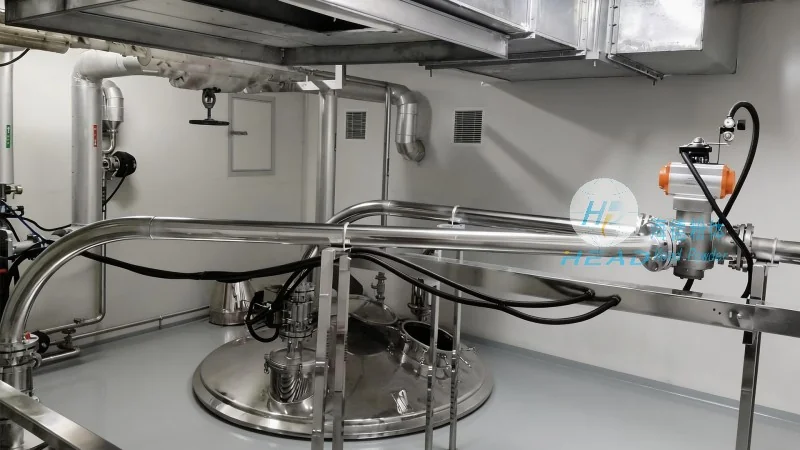
White flour pneumatic conveying systems are widely utilized across various food processing applications. They are commonly employed in bakeries, where large volumes of flour are required for bread and pastry production. The systems also play a critical role in flour mills, where raw wheat is processed into white flour and then transported to packaging or storage areas. In addition, they are used in food processing plants that demand precise control over powder flow, such as in the production of confectionery or snack foods. The versatility of these systems makes them suitable for a range of applications where clean and efficient powder handling is essential to maintaining product quality and operational efficiency.
System Maintenance and Efficiency
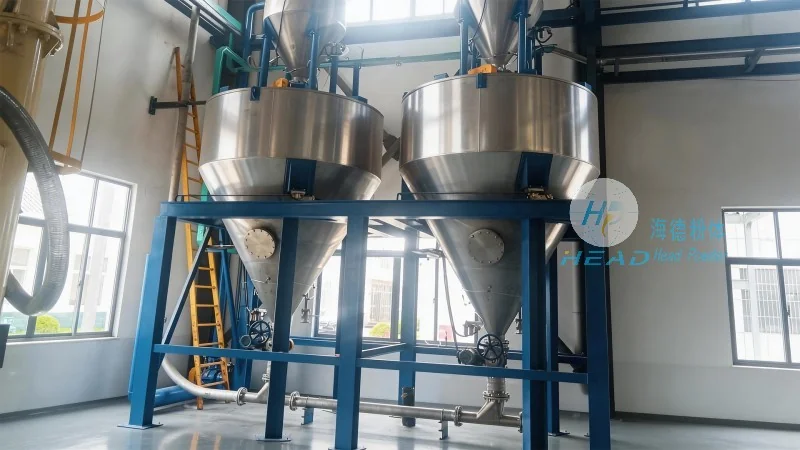
Proper maintenance is essential to ensure the long-term efficiency and reliability of a white flour pneumatic conveying system. Regular inspections of components like the air compressor, pipelines, and filters are necessary to prevent performance degradation. Cleaning the system after each use helps maintain hygiene and prevents clogging, which can affect airflow and material transport. Additionally, monitoring air pressure and flow rates allows for adjustments to optimize system performance. By adhering to a regular maintenance schedule, users can extend the lifespan of the equipment and minimize operational disruptions.
Choosing the Right System for Your Needs
When selecting a white flour pneumatic conveying system, several factors should be considered to ensure it meets the specific requirements of your operation. The first step is to assess the volume of flour to be transported, as this determines the necessary air pressure and pipeline size. The type of flour—whether it is fine or contains larger particles—also influences the system design, as different materials may require specialized components like cyclones or filters. Additionally, the layout of the production facility and available space will impact the system's configuration. Consulting with a reputable supplier, such as Shandong HeadPowder Engineering Co., Ltd., can provide expert guidance in choosing the most suitable system for your needs, ensuring optimal performance and cost-effectiveness.




