Understanding the gray bin pneumatic conveying system is crucial for industries that handle bulk materials efficiently and safely. This system represents a sophisticated solution for transporting powders and granules, offering advantages over traditional methods like belt conveyors or bucket elevators. The design principles behind such systems are rooted in the physics of fluidization and air movement, ensuring reliable material transfer while minimizing operational issues.
Introduction to the Gray Bin Pneumatic Conveying System
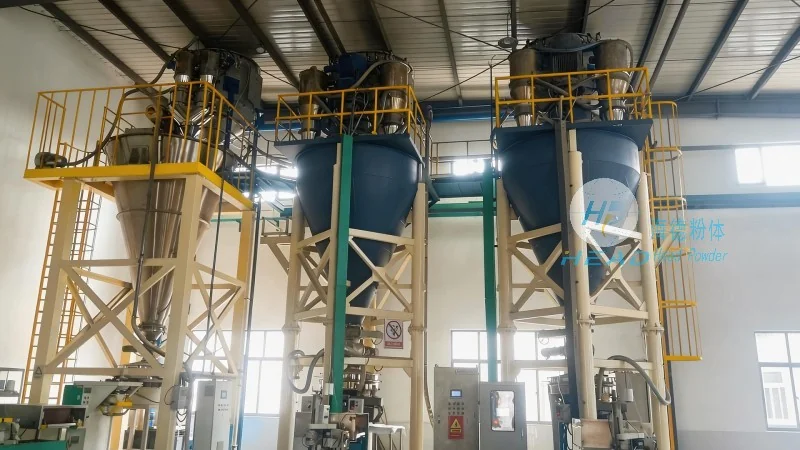
The gray bin pneumatic conveying system, often referred to as a bulk material handling solution, is a critical component in many industrial processes. It is designed to move dry bulk materials from one location to another using air as the conveying medium. This method is particularly effective for materials that are dusty, abrasive, or require a dust-free environment. The system typically includes a hopper (gray bin), a blower or compressor, a pipeline network, and a receiver or discharge point. The gray bin serves as the primary storage and feeding unit, ensuring a consistent flow of material into the conveying system.
HeadPowder: A Leading Provider of Pneumatic Conveying Solutions
HeadPowder, a company based in Shandong, China, specializes in engineering and manufacturing advanced pneumatic conveying systems. With a strong commitment to quality and innovation, HeadPowder has established itself as a trusted partner for businesses seeking reliable bulk material handling solutions. The company’s headquarters and operational base are located in Shandong, where it leverages local expertise and resources to develop cutting-edge systems tailored to client needs. HeadPowder’s team of engineers and technicians brings extensive experience in designing, installing, and maintaining pneumatic conveying systems, ensuring that each project meets the highest standards of performance and durability.
The Core Design Principles of the Gray Bin Pneumatic Conveying System
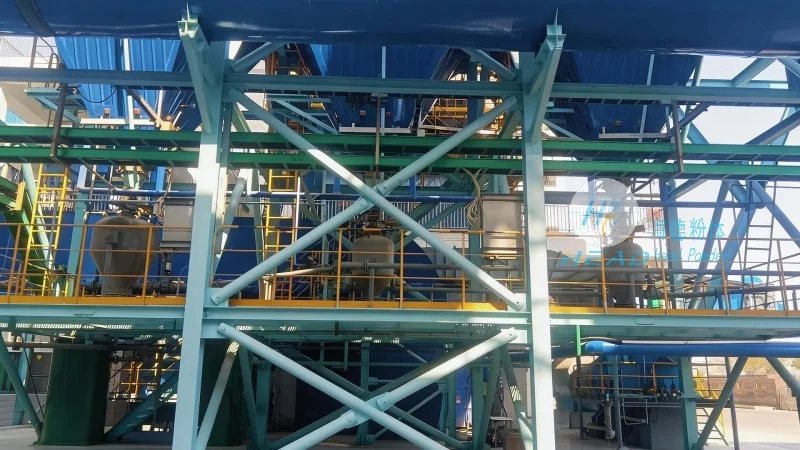
The design of a gray bin pneumatic conveying system is governed by several key principles that ensure efficient and safe operation. First, the system relies on the principle of fluidization, where air is introduced into the material in the gray bin to create a fluid-like state. This allows the material to flow freely through the pipeline under the influence of air pressure. The air velocity and pressure within the system are carefully calculated to prevent material settling or blockages, which are common issues in traditional conveying methods. The gray bin itself is designed with a specific geometry, including a conical or hopper-shaped bottom, to facilitate the uniform release of material and minimize the risk of bridging or caking. Additionally, the system incorporates control mechanisms such as flow meters and pressure sensors to monitor and adjust the conveying process in real-time, ensuring optimal performance and preventing overloading or underloading of the pipeline.
Key Components and Their Functions
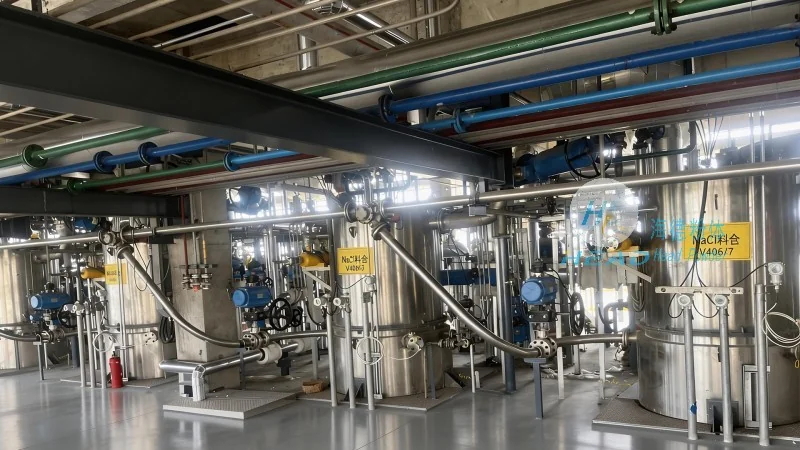
The gray bin pneumatic conveying system consists of several interrelated components, each playing a vital role in the overall operation. The gray bin, as the primary storage unit, is typically made of durable materials like stainless steel or carbon steel, depending on the material being handled and the environmental conditions. It is equipped with a discharge valve or gate that controls the flow of material into the conveying line. The blower or compressor provides the necessary air pressure and volume to move the material through the pipeline. This component is selected based on the material’s properties, such as particle size, density, and moisture content, as well as the system’s length and elevation changes. The pipeline network connects the gray bin to the discharge point and is designed to minimize pressure loss and maintain consistent air velocity. The receiver or discharge unit at the end of the system collects the material and may include a dust collection system to ensure compliance with environmental regulations. Each component is engineered to work in harmony, ensuring smooth and continuous material transfer.
Advantages of the Gray Bin Pneumatic Conveying System
Compared to traditional conveying methods, the gray bin pneumatic conveying system offers several advantages that make it a preferred choice for many industries. One of the most significant benefits is its ability to handle a wide range of materials, from fine powders to coarse granules, without causing degradation or contamination. The system is also highly flexible, allowing for changes in material flow rates or destinations without major modifications. Additionally, the enclosed nature of the system minimizes dust emissions and improves workplace safety, which is particularly important in industries like food processing, pharmaceuticals, and chemical manufacturing. The design also reduces the risk of material spillage and cross-contamination, which can be costly and environmentally damaging. Furthermore, the system is relatively compact and can be installed in various configurations, making it suitable for both new construction and retrofit applications.
Applications and Industries
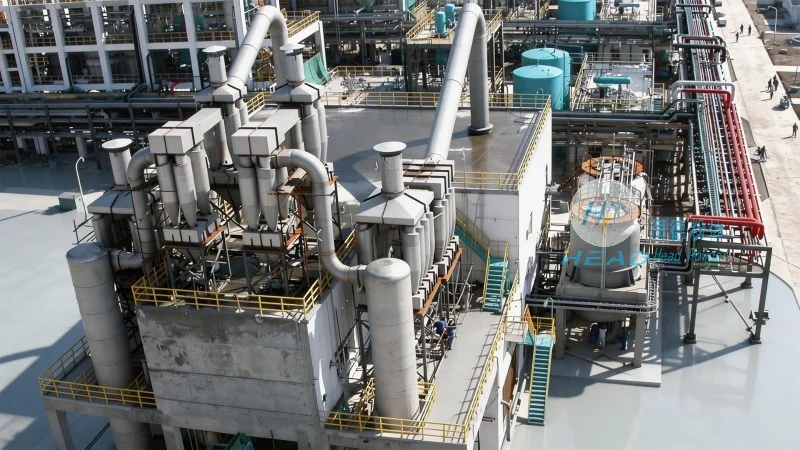
The gray bin pneumatic conveying system is widely used across various industries that require efficient bulk material handling. In the food and beverage industry, it is used to transport ingredients like flour, sugar, and spices, ensuring a clean and hygienic process. In the pharmaceutical industry, the system is employed to handle active pharmaceutical ingredients (APIs) and other sensitive materials, maintaining strict contamination control. The chemical industry utilizes the system for transporting powders and granules, such as fertilizers, pigments, and catalysts, where dust control and material purity are critical. The mining and minerals sector also benefits from this technology, using it to move raw materials like coal, ore, and sand from storage bins to processing equipment. Additionally, the system is used in the agricultural sector for handling grains, seeds, and other agricultural products, improving storage and distribution efficiency.
Conclusion and Future Outlook
In conclusion, the gray bin pneumatic conveying system is a sophisticated and efficient solution for bulk material handling, driven by sound design principles and advanced engineering. HeadPowder, with its roots in Shandong, China, has been at the forefront of developing and implementing such systems, providing tailored solutions that meet the specific needs of various industries. As technology advances, the design of these systems will continue to evolve, incorporating more intelligent control systems and sustainable materials to enhance performance and reduce environmental impact. The continued adoption of gray bin pneumatic conveying systems reflects their reliability, versatility, and ability to improve operational efficiency in bulk material handling applications.




