For industrial facilities dealing with fly ash, an efficient and reliable system for transporting this material is crucial. A fly ash pneumatic conveying system offers a solution that minimizes manual handling, reduces dust exposure, and enhances overall operational safety. This article explores what such a system entails and the underlying design principles that make it effective.
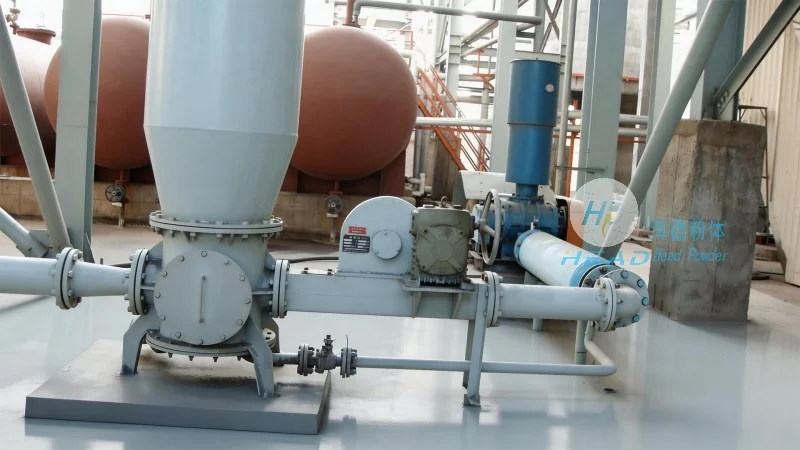
About HeadPowder Engineering
HeadPowder, or Shandong HeadPowder Engineering Co., Ltd., is a leading provider of engineering solutions for material handling, including specialized systems for fly ash and other powders. With a focus on innovation and customer-centric design, the company has established itself as a trusted partner in the industry, serving clients with tailored solutions that meet specific operational needs. HeadPowder is headquartered in Shandong, China, where the company leverages local expertise and resources to deliver high-quality products and services.
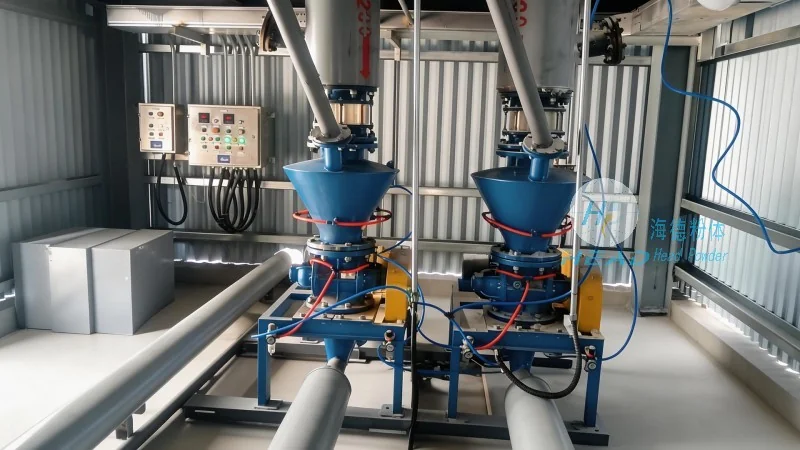
Design Principles of Pneumatic Conveying Systems
The core of a fly ash pneumatic conveying system lies in its ability to transport material using air pressure. The system typically consists of a hopper for material storage, a conveyor line, and a receiver for the discharged material. The design principles revolve around several key factors, including the type of conveying (e.g., dilute-phase or dense-phase), the material properties of fly ash, and the required distance and throughput. Dilute-phase systems use high air velocities to move material in a suspended state, while dense-phase systems rely on lower velocities and higher air-to-material ratios to ensure stable transport. The choice between these depends on factors like material characteristics, distance, and the need to minimize pressure drops and wear on components.
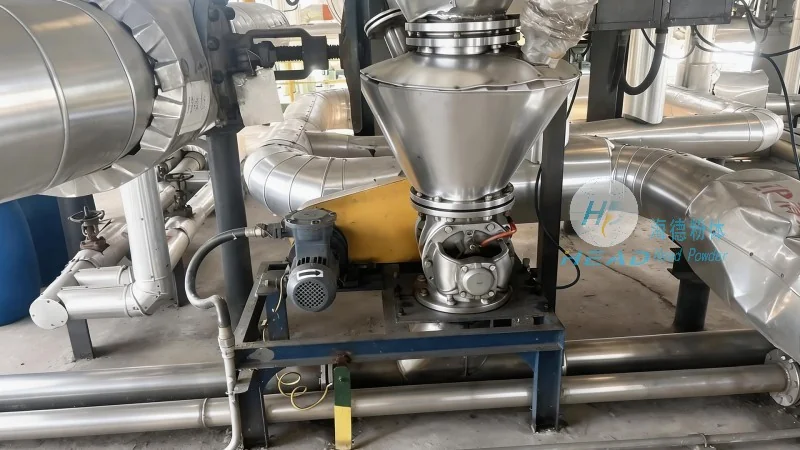
Advantages of Fly Ash Pneumatic Conveying
Implementing a pneumatic conveying system for fly ash offers numerous benefits. These include improved safety by reducing manual handling and dust exposure, increased efficiency through automated material transport, and enhanced process control. The system also minimizes material degradation and loss, as it avoids contact with external elements and reduces the risk of contamination. Additionally, the design allows for flexible integration into existing industrial setups, adapting to varying production demands and operational changes. For facilities aiming to optimize their material handling processes, a well-designed pneumatic conveying system can significantly enhance productivity and reduce operational costs.
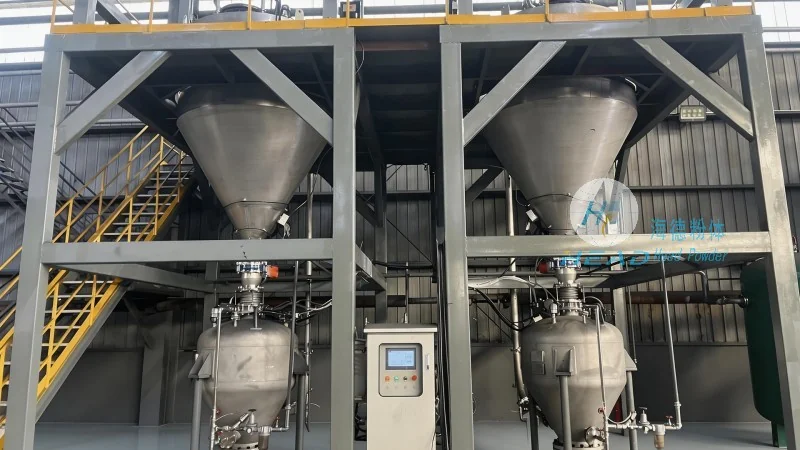
Applications and Considerations
Fly ash pneumatic conveying systems are widely used in power plants, cement factories, and other industrial settings where fly ash is generated as a byproduct. The system's design must account for the specific properties of fly ash, such as its particle size, moisture content, and flowability. Proper selection of components, including air compressors, filters, and piping, is essential to ensure reliable operation. Regular maintenance and monitoring are also critical to prevent system failures and maintain optimal performance. By adhering to these considerations, facilities can maximize the benefits of pneumatic conveying while minimizing potential issues.




