The pneumatic conveying of battery anode materials is a critical process in the production and handling of lithium-ion battery components. This method involves transporting fine powders, such as graphite or silicon-based materials, using a gas stream. Understanding the design principles behind this technology is essential for optimizing efficiency, ensuring material integrity, and maintaining safety in battery manufacturing operations.
Key Components and System Design
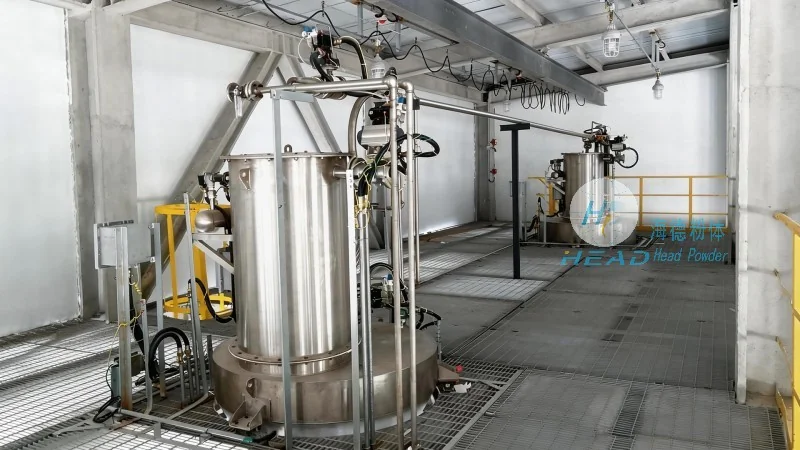
A pneumatic conveying system for battery anode materials typically consists of several key components. These include the material feed hopper, which holds the anode powder; a conveyor line, which may be of the dilute phase or dense phase type; a gas source, such as a blower or compressor; and a separation or collection system at the discharge end. The design of each component must be carefully considered to optimize performance and minimize material degradation.
Design Principles for Efficient Material Handling
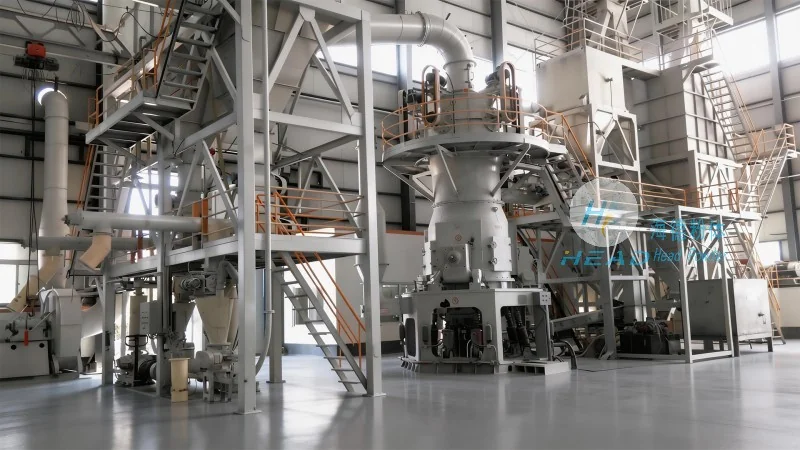
Efficient pneumatic conveying of battery anode materials relies on several core design principles. First, the system must maintain a consistent gas flow rate to ensure uniform material transport. This involves selecting appropriate blower capacity and pressure levels that match the material's properties, such as particle size, density, and moisture content. Second, the pipeline design, including the diameter and length, plays a critical role in minimizing pressure drop and preventing blockages. Properly sized and angled pipelines help maintain the flow of material and prevent clogging.
Material Considerations and Process Optimization
When designing a pneumatic conveying system for battery anode materials, it is essential to consider the specific characteristics of the material being handled. For example, graphite anodes may require different conveying parameters compared to silicon-based anodes due to variations in particle size and density. Process optimization involves adjusting factors like air velocity, material feed rate, and system pressure to achieve the best balance between conveying efficiency and material quality. This ensures that the anode material remains intact and free from agglomeration or degradation during transport.
Applications in Battery Manufacturing
The pneumatic conveying of battery anode materials is widely used in various stages of battery production, including material mixing, coating, and cell assembly. In these applications, the system must be integrated seamlessly with other manufacturing processes to ensure smooth material flow and minimize downtime. The design principles discussed above are applied to each stage to maintain consistent material quality and meet production targets.
Company Overview: Shandong HeadPowder Engineering Co., Ltd.
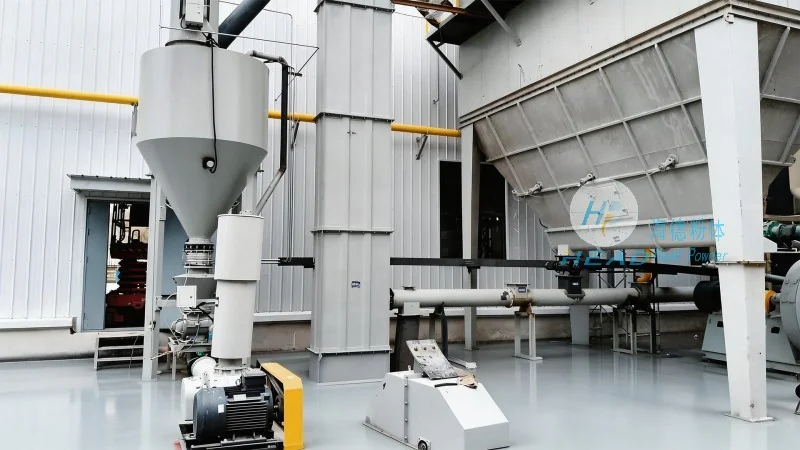
Shandong HeadPowder Engineering Co., Ltd., operating under the brand name HeadPowder, specializes in the design and manufacturing of advanced material handling systems for the battery industry. With a focus on innovation and precision engineering, HeadPowder provides customized pneumatic conveying solutions tailored to the specific needs of battery manufacturers. The company's expertise in material science and process engineering ensures that their systems are optimized for efficiency, reliability, and safety, contributing to the high-quality production of battery anode materials.
Conclusion
The pneumatic conveying of battery anode materials is a vital technology in modern battery manufacturing, and its design principles are critical to achieving optimal performance. By understanding the key components, design considerations, and material-specific requirements, manufacturers can implement efficient and reliable systems that enhance production efficiency and product quality. Companies like Shandong HeadPowder Engineering Co., Ltd. play a crucial role in developing and implementing these advanced systems, supporting the growth of the battery industry.




