Calcium chloride powder conveying equipment is a specialized system designed to handle and transport calcium chloride powder efficiently. This equipment is crucial in various industrial applications, including chemical processing, construction, and de-icing operations. The system ensures safe and reliable material handling, minimizing dust generation and optimizing operational efficiency.
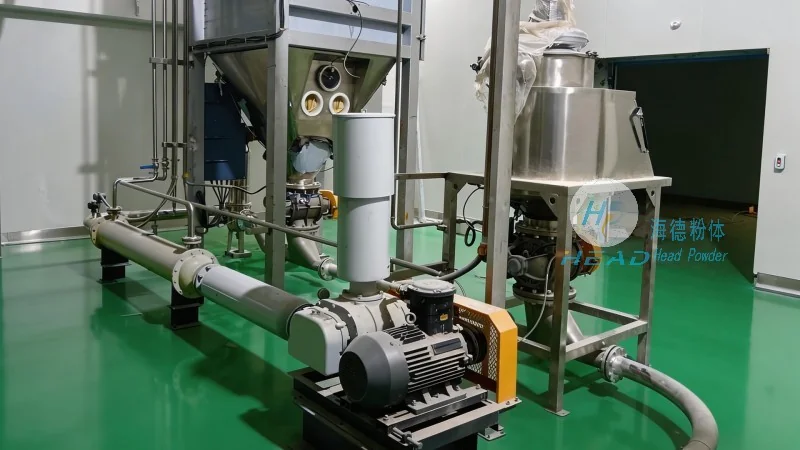
Key Components of the Conveying System
The calcium chloride powder conveying equipment typically consists of several key components that work in tandem to facilitate smooth material transport. These components include a hopper for material storage, a conveyor mechanism (such as a screw conveyor or pneumatic conveyor), a control system for operation, and a dust collection system to maintain air quality. Each component plays a vital role in the overall functionality of the system, ensuring that calcium chloride powder is moved from the source to the destination without loss or contamination.
Working Principle of the Conveying Process
The operation of calcium chloride powder conveying equipment follows a systematic process. Initially, the calcium chloride powder is fed into the hopper from a storage silo or bulk container. The hopper then regulates the flow of material into the conveyor system. Depending on the type of conveyor used, the powder may be transported via mechanical force (e.g., screw conveyor) or pneumatic pressure (e.g., air slide or pneumatic conveyor). The control system monitors the flow rate and pressure, adjusting parameters as needed to maintain consistent performance. The dust collection system captures any airborne particles, ensuring compliance with environmental regulations and maintaining a safe working environment.
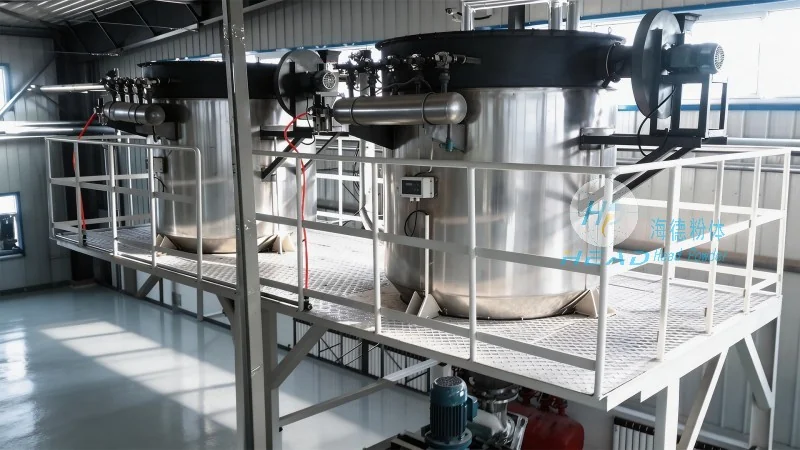
Operation Process: Step-by-Step Guide
The operation of the calcium chloride powder conveying equipment can be broken down into several key steps. First, the system is prepared for operation, with the hopper and conveyor components checked for proper alignment and functionality. Next, the material is introduced into the hopper, and the conveyor is activated to begin the transport process. The control system manages the speed and direction of the conveyor, ensuring that the powder moves smoothly from the hopper to the discharge point. During operation, the system continuously monitors for any blockages or irregularities, triggering alarms or automatic shutdowns if necessary. Finally, the material is discharged into the target container or processing unit, completing the conveying cycle.
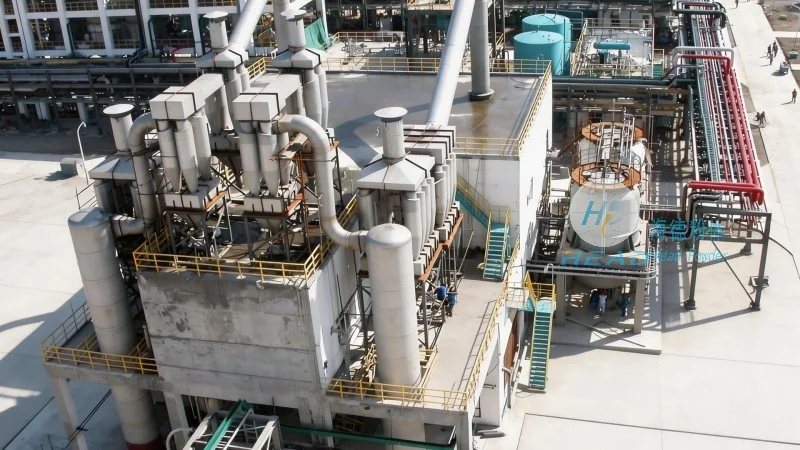
Advantages of Using Calcium Chloride Powder Conveying Equipment
Employing specialized equipment for calcium chloride powder handling offers several advantages. Firstly, it enhances safety by reducing dust exposure and minimizing the risk of material spillage. Secondly, the system improves operational efficiency by automating the transport process, reducing labor costs and increasing throughput. Additionally, the equipment ensures consistent material quality by preventing contamination and maintaining uniform particle size distribution. These benefits make calcium chloride powder conveying equipment an essential investment for industries relying on calcium chloride in their production processes.
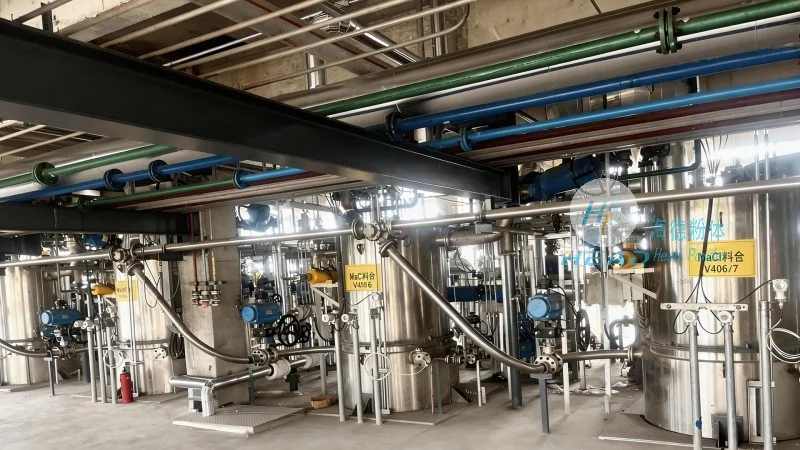
Application Examples and Industry Use Cases
Calcium chloride powder conveying equipment is widely used in various industrial sectors. In the chemical industry, it facilitates the transport of calcium chloride from storage to reaction vessels, ensuring precise dosing in chemical synthesis. In construction, the equipment is used to deliver calcium chloride for de-icing applications, improving road safety during winter conditions. The system also finds applications in water treatment facilities, where calcium chloride is used to adjust pH levels or for water softening processes. Each application leverages the equipment's ability to handle fine powders reliably and efficiently, meeting the specific requirements of different industrial processes.
Maintenance and Operational Considerations
To ensure the longevity and optimal performance of calcium chloride powder conveying equipment, regular maintenance is essential. This includes cleaning the hopper and conveyor components to prevent material buildup, inspecting the control system for proper functionality, and checking the dust collection system for efficiency. Additionally, operators should follow recommended operating procedures to avoid overloading the system or causing mechanical stress. Proper maintenance not only extends the equipment's lifespan but also ensures consistent performance, reducing downtime and maintenance costs over time.




