Bin pump powder conveying systems represent a sophisticated solution for the efficient transport of bulk powders across various industrial applications. These systems are engineered to handle diverse powder characteristics, ensuring reliable and consistent material movement over long distances. The technology is widely adopted in sectors such as chemical manufacturing, pharmaceutical production, food processing, and mining, where the safe and efficient handling of bulk materials is critical.
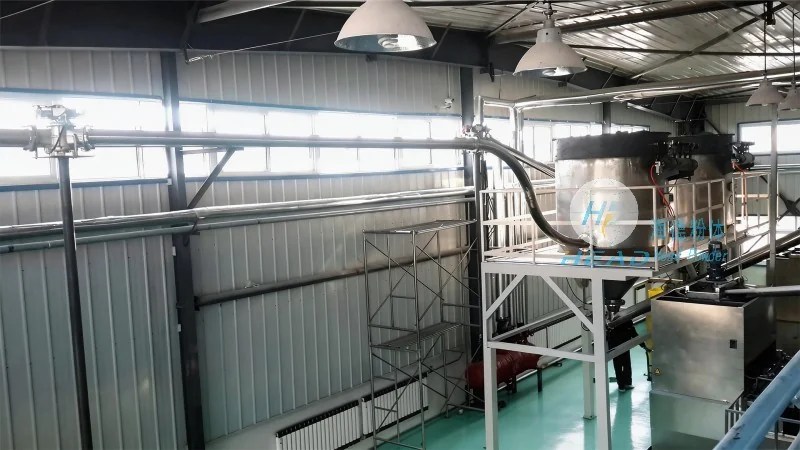
Company Introduction: Shandong HeadPowder Engineering Co., Ltd.
HeadPowder, a prominent entity in the bulk material handling industry, specializes in the design, development, and supply of high-performance bin pump powder conveying systems. With a strong focus on innovation and customer-centric solutions, the company has built a reputation for delivering equipment that meets stringent industry standards. HeadPowder is headquartered in Shandong, China, and leverages decades of expertise to provide tailored solutions that enhance operational efficiency and reduce material handling costs for businesses worldwide.
Working Principle of Bin Pump Powder Conveying Systems
The fundamental operation of a bin pump powder conveying system relies on the principle of positive displacement. The system comprises a storage hopper, a pump unit, and a discharge pipeline. When the system is activated, the pump creates a vacuum within its chamber, drawing bulk powder from the hopper into the pump. Once the chamber is filled, the pump compresses the powder, forcing it through the discharge line to the destination point. This mechanism ensures a controlled, non-segregating flow of material, preventing clogging and maintaining the integrity of the powder. The positive displacement design also allows for precise control over pressure and flow rate, adapting to different powder types and application requirements.
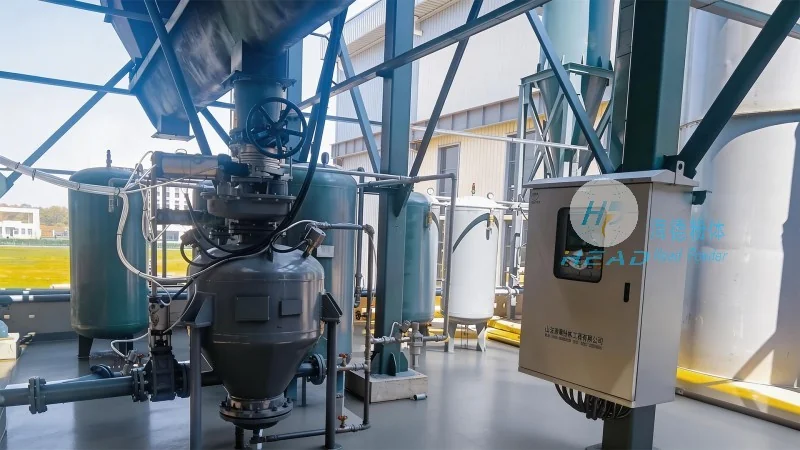
Operation Process of Bin Pump Powder Conveying Systems
The operational workflow of a bin pump powder conveying system involves several systematic steps. Initially, bulk powder is loaded into the storage hopper. The system is then initiated, and the pump unit begins to operate. The pump generates a vacuum that pulls the powder from the hopper into the pump chamber. As the chamber fills, the pump compresses the powder, expelling it through the discharge pipe to the receiving vessel or processing unit. This cycle repeats continuously, maintaining a steady and uniform flow of material. The system can be operated manually or through automated controls, enabling precise regulation of flow rates and pressure. This flexibility is crucial for adapting to varying production demands and ensuring seamless integration with existing industrial processes.
Key Features and Advantages of Bin Pump Powder Conveying Systems
Bin pump powder conveying systems offer several distinct advantages that make them a preferred choice for bulk material transport. One primary benefit is their ability to handle a wide spectrum of powder types, including fine powders, granules, and cohesive materials, without degradation or segregation. The positive displacement technology ensures consistent material quality and prevents material loss or contamination. Additionally, these systems are energy-efficient, consuming less power compared to traditional conveying methods while delivering high transport capacity. The compact design of the bin pump allows for easy installation and integration into existing production lines, reducing setup time and costs. Furthermore, the system can operate at high pressures and flow rates, making it suitable for long-distance transport and high-demand applications, such as industrial-scale chemical processing or large-scale mining operations.
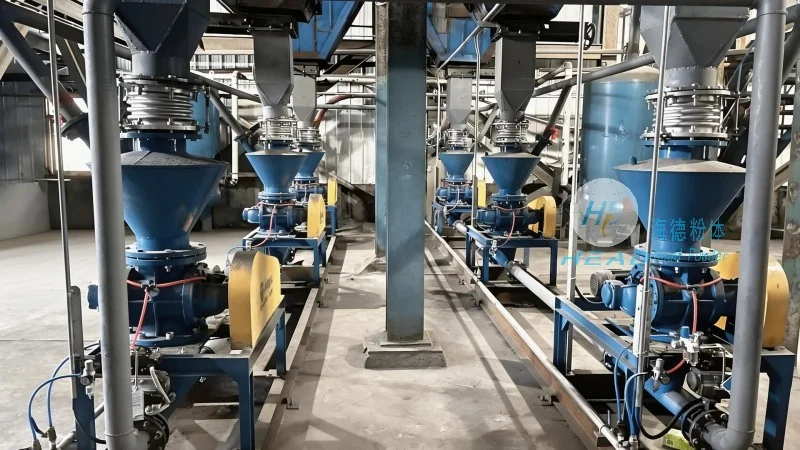
Applications and Industries Served by Bin Pump Powder Conveying Systems
Bin pump powder conveying systems are utilized across multiple industries where bulk powder handling is essential. In the chemical industry, they are employed to transport raw materials and finished products, such as powders for pharmaceuticals, fertilizers, and industrial chemicals. The food processing sector benefits from these systems for handling powders like flour, sugar, and spices, ensuring hygienic and efficient transport while maintaining product quality. The mining industry relies on bin pumps to move ore and other bulk materials from storage bins to processing plants, optimizing material flow and reducing downtime. Additionally, the pharmaceutical and cosmetic industries leverage the precise control and low contamination risk offered by bin pump systems, making them ideal for handling sensitive materials that require strict quality standards.
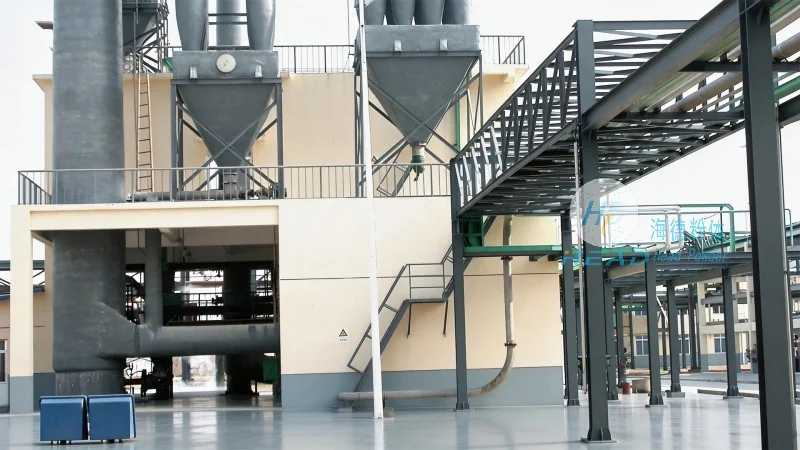
Maintenance and Operational Considerations for Bin Pump Powder Conveying Systems
To ensure the long-term reliability and performance of a bin pump powder conveying system, regular maintenance is imperative. Key maintenance tasks include inspecting and replacing pump components like the impeller and seals to prevent wear and tear. The hopper and discharge lines should be cleaned periodically to remove accumulated powder and prevent clogging, which can disrupt operation. Proper lubrication of moving parts is also critical to maintain smooth operation and extend the equipment's lifespan. Operational considerations involve monitoring system pressure and flow rates to ensure they remain within the recommended parameters. This proactive monitoring helps identify potential issues early and allows for timely corrective action, minimizing system downtime. Additionally, training operators on the proper use and maintenance of the system is essential to ensure safe and efficient operation, reducing the risk of accidents and improving overall productivity.
Conclusion: The Role of Bin Pump Powder Conveying Systems in Modern Material Handling
Bin pump powder conveying systems play a pivotal role in modern industrial operations by providing efficient, reliable, and cost-effective solutions for bulk powder transport. With their advanced positive displacement technology and flexible design, these systems offer numerous advantages over traditional conveying methods, including improved material quality, reduced energy consumption, and enhanced operational flexibility. As industries continue to demand higher efficiency and precision in material handling, bin pump systems remain a cornerstone in achieving these goals. HeadPowder, with its expertise and commitment to quality, continues to deliver top-tier bin pump solutions that meet the evolving needs of the market, ensuring that businesses can achieve optimal performance and productivity in their material handling operations. The integration of such systems not only enhances operational efficiency but also contributes to sustainable industrial practices by minimizing waste and optimizing resource utilization.




