HeadPowder, a leading manufacturer based in Shandong, China, specializes in the design and production of advanced pneumatic conveying equipment tailored for the handling of inorganic salt materials. This article provides an in-depth exploration of the working principles and key features of such equipment, highlighting how it enhances material transport efficiency and operational reliability in industrial settings.
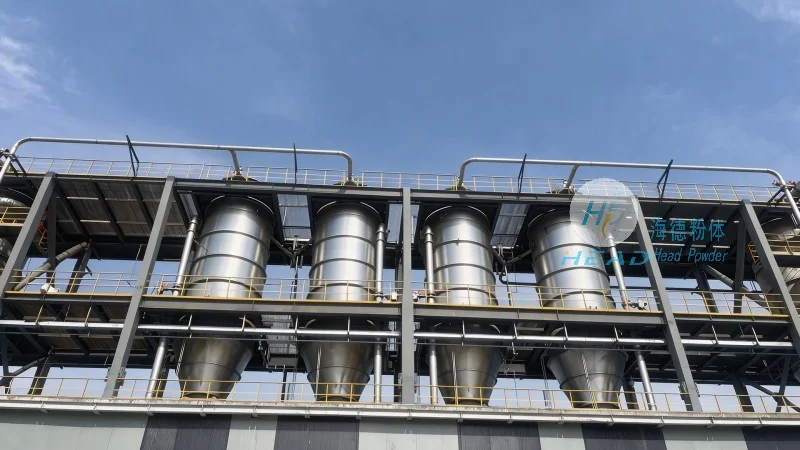
Understanding the Working Principle of Pneumatic Conveying Systems
Pneumatic conveying equipment operates by utilizing a pressurized or vacuum system to transport bulk materials, such as inorganic salts, through a pipeline. The core mechanism involves the creation of a flow of air or gas that propels the material particles. There are primarily two types of pneumatic conveying systems: dilute-phase and dense-phase. Dilute-phase systems use low air velocity to move materials in a dispersed state, while dense-phase systems employ higher air velocity and lower pressure to transport material in a more concentrated form, reducing particle degradation and ensuring better control over the conveying process.
In the context of inorganic salt materials, the equipment typically incorporates a hopper or feeder that feeds the material into the conveying line. A blower or compressor generates the necessary airflow, which is then directed through the pipeline. The material is entrained by the air stream and transported to the destination point, such as a storage silo or processing unit. The system may also include components like cyclones, filters, and dust collectors to manage the air and prevent material loss or contamination.
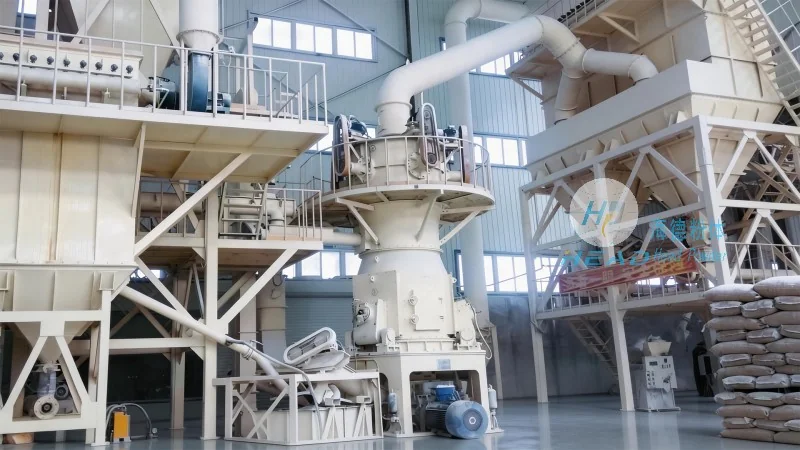
Key Features of Pneumatic Conveying Equipment for Inorganic Salt Materials
The equipment designed for inorganic salt materials exhibits several distinct features that cater to the specific demands of this industry. Firstly, it is engineered for durability and resistance to corrosion, as many inorganic salts can be abrasive or chemically aggressive. The construction often involves materials like stainless steel or specialized alloys to withstand the harsh conditions. Secondly, the system is designed for efficient and gentle handling of the material, minimizing breakage and degradation, which is crucial for maintaining product quality. This is achieved through optimized air velocity and pressure control, ensuring that the material is conveyed without excessive impact or friction.
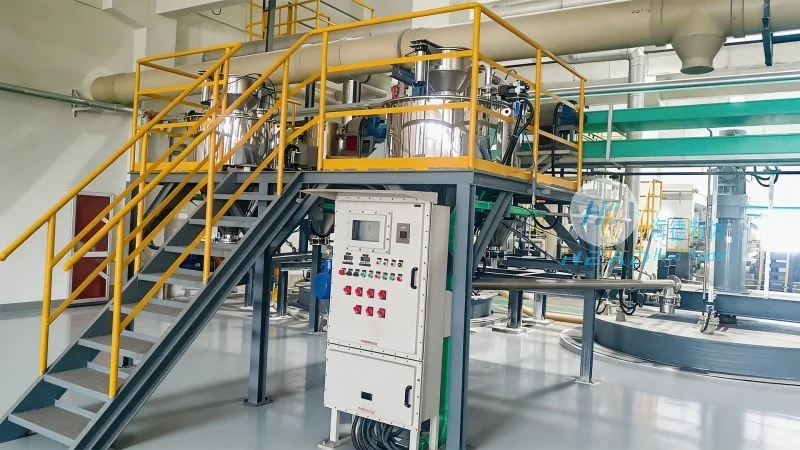
Another significant feature is the flexibility in conveying distances and heights. The equipment can handle both short and long-distance transport, as well as vertical lifts, making it suitable for various industrial layouts. It also offers the ability to integrate with other processing equipment, such as mixers or reactors, enabling seamless material transfer within production lines. Additionally, the system is equipped with monitoring and control systems that allow for real-time adjustments, ensuring optimal performance and reducing downtime.
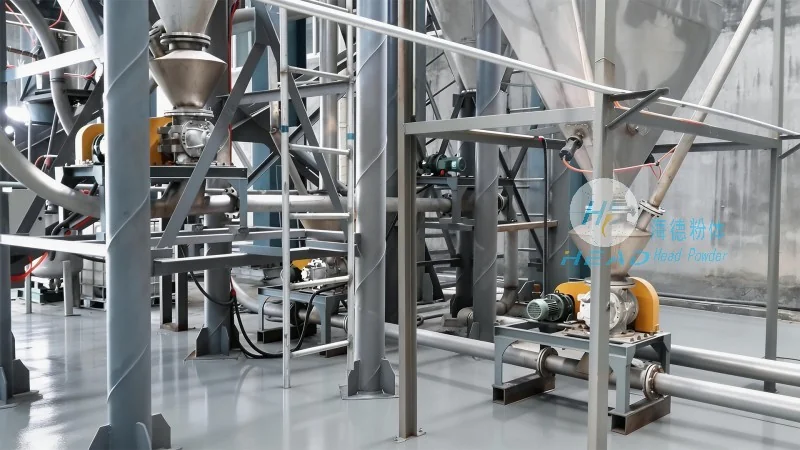
Benefits and Applications in Industrial Settings
The adoption of pneumatic conveying equipment for inorganic salt materials brings numerous benefits to industrial operations. It significantly improves material handling efficiency by eliminating the need for manual or mechanical handling, which reduces labor costs and enhances safety. The system also minimizes material loss and contamination, as the enclosed pipeline design prevents exposure to the environment. Furthermore, it allows for precise control over the flow rate and pressure, enabling consistent and reliable material delivery to downstream processes.
These systems are widely applied in industries such as chemical manufacturing, food processing, and pharmaceuticals, where the handling of inorganic salts is critical. For instance, in chemical plants, the equipment efficiently transports raw materials like sodium chloride or calcium carbonate to reactors and storage facilities. In food processing, it ensures the safe and hygienic transfer of salt products, maintaining compliance with regulatory standards. The versatility and reliability of the equipment make it an essential component in modern industrial operations, contributing to overall productivity and operational excellence.




