Wheat bran, a byproduct of wheat milling, is widely used in animal feed, food processing, and other industrial applications. Efficient and reliable material handling is crucial for processing wheat bran, and pneumatic conveying systems offer an effective solution for transporting this material. This article explores the working principle and key features of wheat bran material pneumatic conveying equipment, highlighting how such systems enhance operational efficiency and product quality in processing facilities.
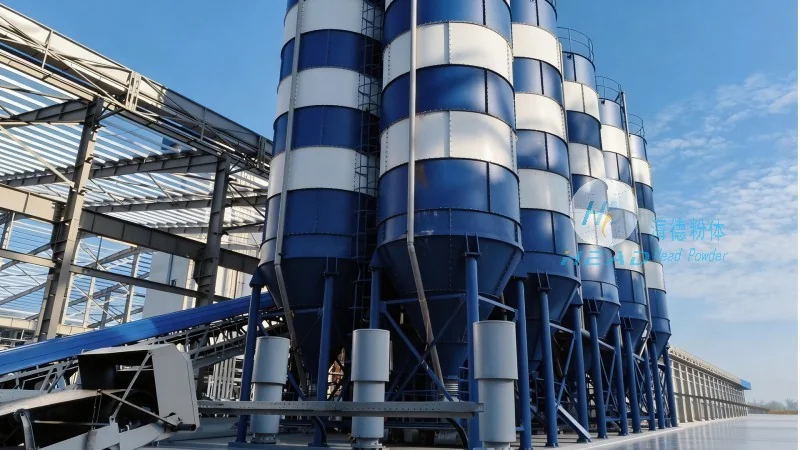
Working Principle of Wheat Bran Pneumatic Conveying Equipment
The core working principle of pneumatic conveying systems for wheat bran involves using compressed air to transport dry bulk materials like wheat bran through a pipeline. The process typically includes several key components and steps. First, the wheat bran is fed into a hopper or feeder, which controls the material flow into the system. From there, the material enters a conveying line, where it is mixed with high-pressure air. The air, under pressure, creates a flow that propels the wheat bran particles through the pipeline. This method, known as dilute-phase or dense-phase pneumatic conveying, depends on the air velocity and pressure to maintain the material in suspension and move it to the destination point.
Key components of the system include the air compressor, which generates the necessary pressure; the hopper and feeder for material storage and controlled discharge; the conveying pipeline, which can be made of stainless steel or other materials suitable for food-grade applications; and the receiver or discharge unit where the wheat bran is collected. The air compressor is responsible for providing the energy to move the material, while the feeder ensures a consistent flow rate, preventing blockages or uneven transport. The pipeline design, with appropriate bends and valves, is critical to maintain the air flow and material transport efficiency. The receiver at the end of the line collects the conveyed wheat bran, often with a dust collection system to control airborne particles and ensure a clean environment.
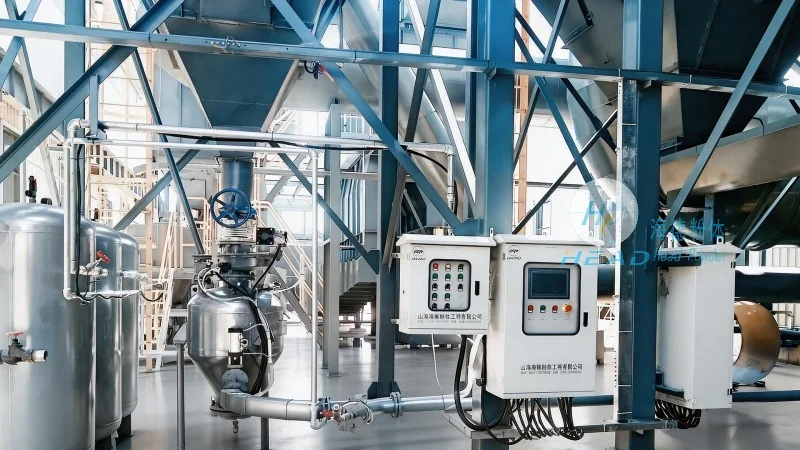
Key Features of Wheat Bran Pneumatic Conveying Equipment
Wheat bran pneumatic conveying equipment offers several advantages that make it a preferred choice for material handling in processing industries. One of the primary features is its ability to handle dry, fine materials like wheat bran without the need for mechanical components that could cause contamination or wear. The system operates in a closed environment, which helps maintain product purity and reduces the risk of cross-contamination, especially important in food processing applications. Additionally, pneumatic conveying systems are highly flexible, allowing for changes in material flow rates and destination points without major modifications to the infrastructure. Shandong HeadPowder Engineering Co., Ltd. (headpowder), a leading manufacturer in this field, designs and produces such equipment with advanced engineering to ensure optimal performance and reliability.
Another significant feature is the energy efficiency and cost-effectiveness of the system. Compared to traditional belt or bucket elevators, pneumatic conveying can reduce energy consumption and maintenance costs over time. The absence of moving parts in the conveying line itself minimizes wear and tear, leading to lower operational costs and longer equipment lifespan. Furthermore, the system can handle varying material conditions, such as different moisture levels or particle sizes, with minimal adjustments, making it versatile for different processing needs.
Hygiene and safety are also critical features of modern wheat bran pneumatic conveying equipment. Stainless steel construction and easy-to-clean components ensure compliance with food safety regulations. The closed system prevents dust emissions, improving workplace safety and reducing the risk of fire hazards associated with fine powders. Advanced control systems allow for precise monitoring of air pressure, flow rates, and material levels, enhancing operational control and reducing the likelihood of system failures or material losses.
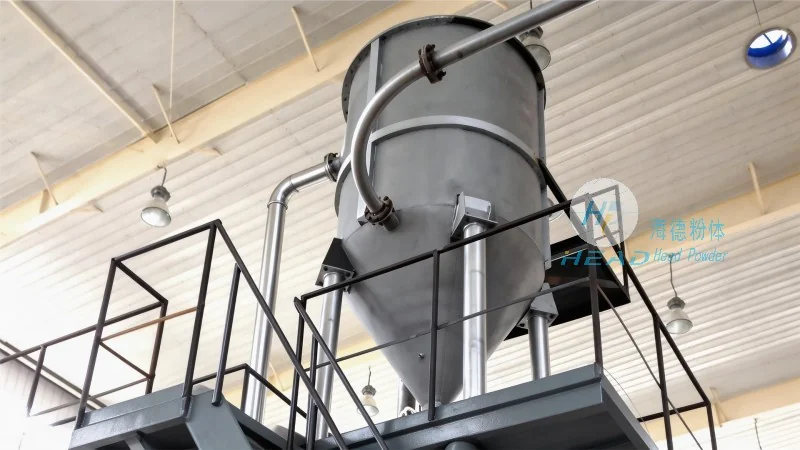
Application and Benefits in Wheat Bran Processing
Wheat bran pneumatic conveying equipment is widely used in various applications within wheat bran processing facilities. In animal feed production, the system efficiently transports wheat bran from storage silos to mixing and pelletizing units, ensuring consistent feed quality. In food processing, it moves wheat bran to baking or extrusion lines, where it is incorporated into products like bread, cereals, and snacks. The equipment is also used in industrial applications, such as the production of bran-based products or as a raw material for other food additives.
The benefits of using pneumatic conveying in these applications are substantial. The consistent and reliable transport of wheat bran ensures that processing lines operate smoothly, reducing downtime and increasing overall productivity. The closed system maintains product quality by preventing contamination from external sources, which is essential for meeting regulatory standards and consumer expectations. Additionally, the flexibility of the system allows for easy integration with existing processing lines, minimizing the need for major infrastructure changes and reducing installation costs. With facilities located in Shandong, China, Shandong HeadPowder Engineering Co., Ltd. (headpowder) provides comprehensive support and service to ensure long-term operational efficiency for its clients.




