White flour pneumatic conveying systems are essential equipment in the flour processing industry, designed to efficiently transport white flour from storage silos or processing units to various destinations such as packaging lines or blending stations. This article explores the fundamental principles and operational mechanisms of these systems, highlighting their importance in maintaining product quality and operational efficiency.
Key Components of a White Flour Pneumatic Conveying System
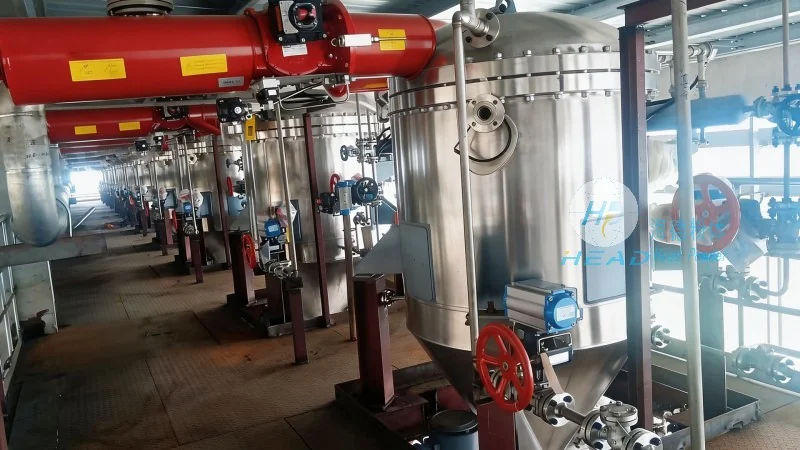
A typical white flour pneumatic conveying system consists of several critical components that work in concert to achieve reliable material transport. The main components include the hopper or silo for flour storage, a conveying line (often made of stainless steel to prevent contamination), a blower or air compressor to generate the necessary airflow, a filter system to capture flour particles and return clean air, and a control panel for monitoring and adjusting system parameters. Each component plays a vital role in ensuring the system operates smoothly and safely.
How Pneumatic Conveying Works: The Principle of Operation
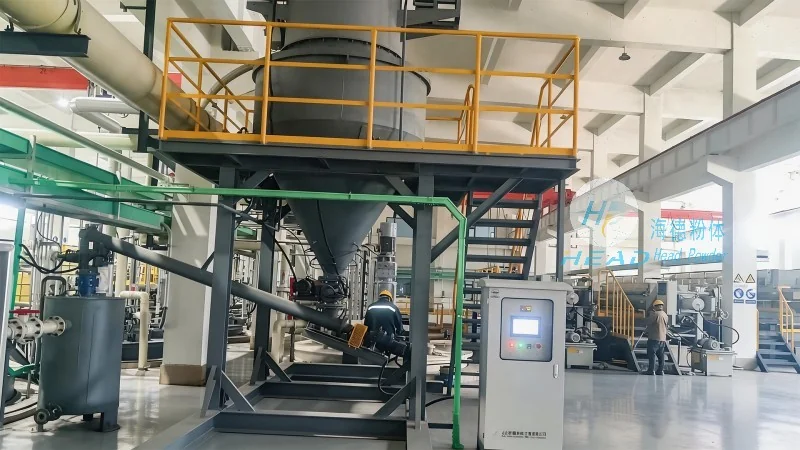
The core principle of pneumatic conveying is the use of air to move bulk materials like white flour through a pipeline. In a positive pressure system, a blower pushes air into the conveying line, creating a pressure that lifts and propels the flour particles. The flour is suspended in the air stream and travels through the pipeline to the destination. The system typically includes a hopper with a valve to control the flow of flour, ensuring a consistent feed rate. The air flow is regulated to maintain the optimal velocity for conveying, preventing material settling or blockages. The filter system at the end of the line captures any flour particles that escape the air stream, returning clean air to the blower and preventing contamination in the environment.
Advantages of Using Pneumatic Conveying for White Flour
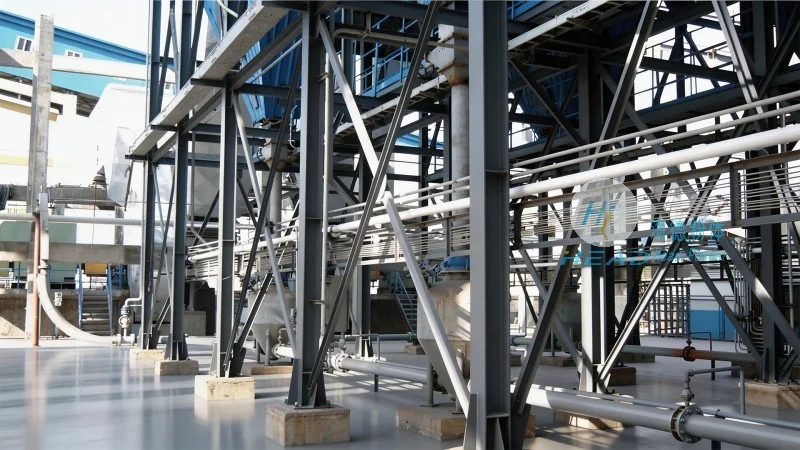
White flour pneumatic conveying systems offer several advantages over traditional mechanical conveying methods. First, they minimize product contamination and degradation, as the flour is not in direct contact with metal parts or exposed to high temperatures. The stainless steel construction of the conveying lines ensures hygiene and compliance with food safety standards. Second, these systems are highly efficient in terms of energy consumption and space utilization. They can transport large volumes of flour over long distances with minimal labor requirements. Third, pneumatic conveying allows for flexible system design, enabling easy integration with existing processing lines or expansion for future production needs. Additionally, the system's ability to handle varying flour moisture levels and particle sizes makes it versatile for different processing applications.
Applications in the Flour Industry
White flour pneumatic conveying systems are widely used in various stages of flour processing and distribution. In milling plants, they transport freshly milled flour from the grinding units to storage silos or packaging areas. In flour mills, they move flour from storage silos to blending and mixing equipment, ensuring consistent product quality. For bakeries and food manufacturers, these systems deliver flour to production lines for bread, pastries, and other baked goods. The systems are also used in flour distribution centers to transport bulk flour to retail outlets or other processing facilities. Their ability to handle large volumes and maintain product integrity makes them indispensable in modern flour processing operations.
Ensuring System Performance and Maintenance
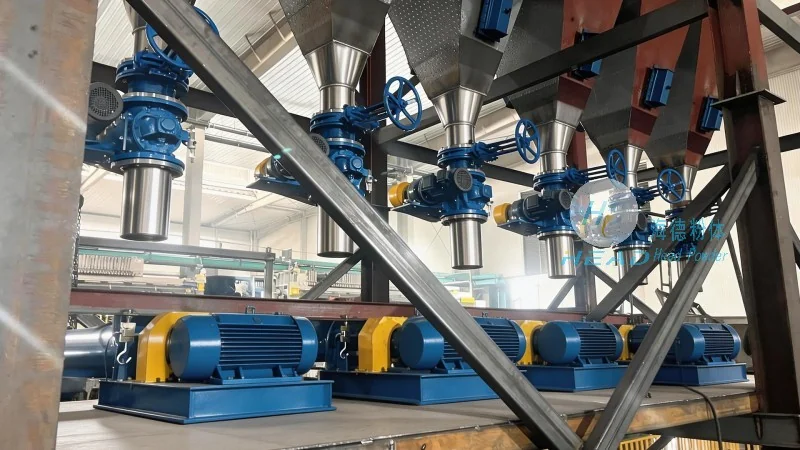
To maintain optimal performance and longevity of a white flour pneumatic conveying system, regular maintenance is essential. This includes cleaning the conveying lines and filter systems to prevent flour buildup and blockages, checking the blower and air compressor for proper operation and efficiency, and inspecting the hopper and valve mechanisms for wear and tear. Proper maintenance not only ensures consistent conveying performance but also reduces downtime and operational costs. Additionally, monitoring system parameters such as air pressure, flow rate, and temperature helps identify potential issues early, allowing for timely repairs and adjustments. By adhering to a regular maintenance schedule, users can maximize the system's lifespan and ensure reliable operation over the long term.




