For industries dealing with sawdust and similar fine particulate materials, efficient material handling is crucial for operational efficiency and safety. The sawdust pneumatic conveying system represents a sophisticated solution designed to transport these materials over long distances with minimal loss and optimal performance. This article delves into the fundamental principles behind such systems, exploring how they operate, their key components, and the benefits they offer to industrial applications.
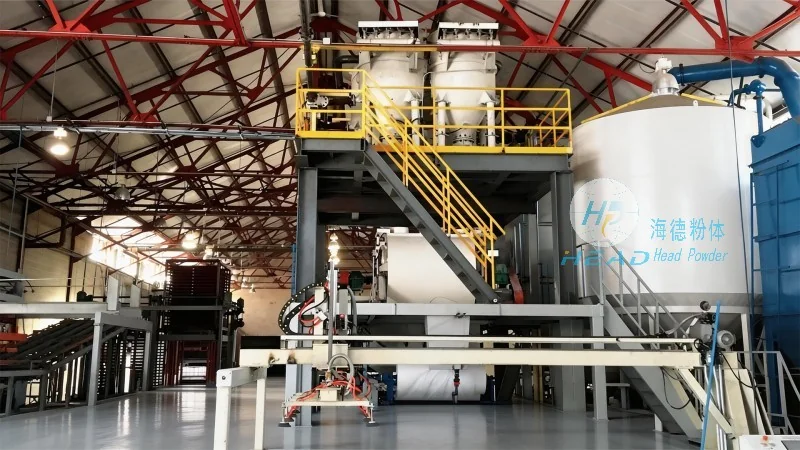
Overview of Sawdust Pneumatic Conveying Systems
The sawdust pneumatic conveying system is a type of pneumatic transport technology that uses compressed air or other gas to move bulk materials like sawdust through a pipeline. Unlike traditional mechanical conveyors, which rely on mechanical components like belts or screws, pneumatic systems utilize the force of air to propel material, making them particularly suitable for handling fine, dusty, or abrasive materials that could cause wear and tear on mechanical parts. The system is widely used in woodworking, paper manufacturing, and other industries where sawdust is a byproduct and needs to be transported from production sites to storage or processing areas.
Core Working Principle
The fundamental principle of the sawdust pneumatic conveying system is based on the creation of a pressure differential between the inlet and outlet of the conveying line. Compressed air is introduced into the system, typically at a pressure of 0.5 to 1.0 bar above atmospheric pressure, depending on the material's characteristics and the distance to be covered. As air flows through the pipeline, it entrains the sawdust particles, forming a slurry-like mixture known as a "pneumatic stream." The air velocity within the pipe must be sufficient to overcome the gravitational force and the frictional resistance of the material, ensuring that the particles remain suspended and are transported to the destination.
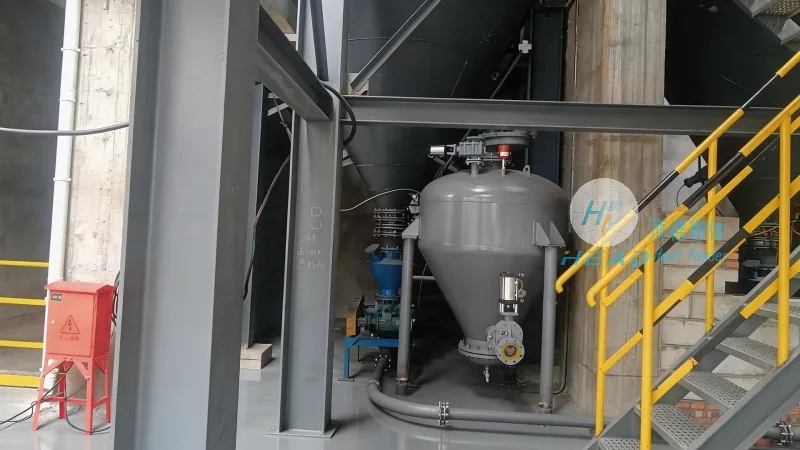
Key Components of the System
A typical sawdust pneumatic conveying system consists of several critical components that work in concert to achieve efficient material transport. The main components include:
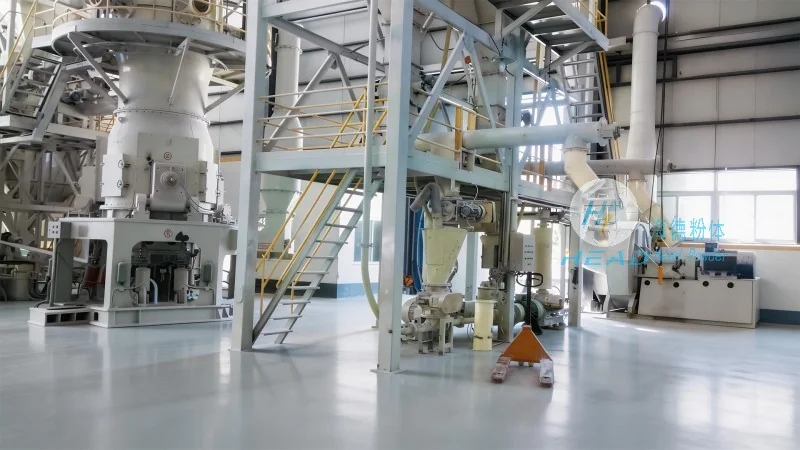
- Compressor: Provides the necessary compressed air to generate the pressure differential. The choice of compressor depends on the system's capacity and the required air pressure. High-efficiency, low-noise compressors are often preferred to minimize energy consumption and operational noise.
- Air Filter and Dryer: Essential for maintaining air quality and preventing moisture or contaminants from entering the system. Sawdust is hygroscopic and can absorb moisture, which may affect its flow properties and cause blockages. A high-quality air filter removes particulate matter from the compressed air, while a dryer reduces humidity levels to below 50% relative humidity.
- Conveying Line: The pipeline through which the sawdust and air mixture travels. The material is typically conveyed in a horizontal or slightly inclined direction to facilitate gravity-assisted flow. The pipe diameter and length are carefully selected based on the material's flow characteristics and the system's capacity. For sawdust, a pipe diameter of 50 to 150 mm is common, with lengths ranging from a few meters to several hundred meters.
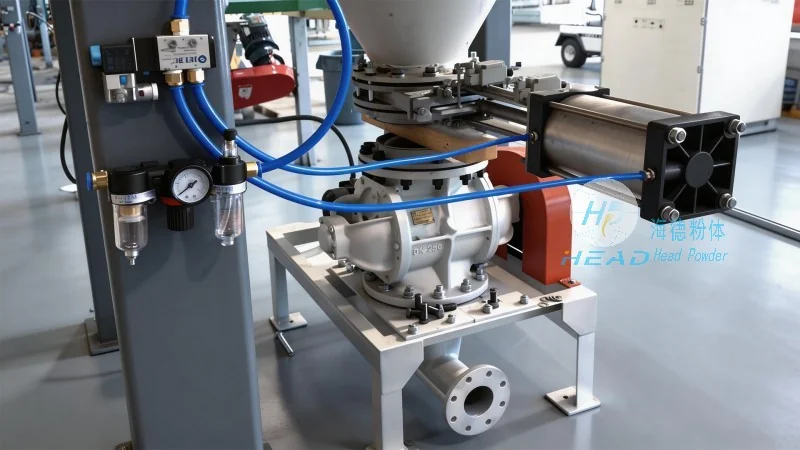
- Material Feeders: Devices used to introduce sawdust into the conveying line. These can include rotary valves, star feeders, or screw feeders, which meter the material and ensure a consistent flow rate. The feeder must be designed to handle fine particles without causing blockages or excessive wear.
- Separation and Collection Units: At the receiving end of the system, the sawdust is separated from the air stream. This is typically achieved using cyclone separators or bag filters. The cyclone separator uses centrifugal force to separate the heavier sawdust particles from the air, while the bag filter captures fine dust particles to prevent air pollution and ensure compliance with environmental regulations.
- Control System: A centralized control system monitors and regulates the operation of the entire system. This includes sensors for air pressure, flow rate, and material level, as well as control valves and actuators that adjust the system parameters in real-time. The control system ensures optimal performance, prevents overloading, and alerts operators to any issues that may arise.
Advantages of Sawdust Pneumatic Conveying Systems
Compared to traditional mechanical conveyors, sawdust pneumatic conveying systems offer several advantages that make them a preferred choice for many industrial applications:
- Reduced Material Loss: Pneumatic systems minimize material loss during transport, as the material is contained within the pipeline and only a small amount of air is lost at the discharge point. This is particularly important for valuable or high-volume sawdust, as it reduces waste and improves overall material efficiency.
- Lower Maintenance Costs: With no moving parts in the conveying line (except for the feeders and separators), the system requires less maintenance compared to mechanical conveyors. The absence of belts, screws, or rollers reduces the risk of wear and tear, resulting in lower repair and replacement costs over the system's lifespan.
- Flexibility in Layout: Pneumatic systems can be easily reconfigured to accommodate changes in production processes or facility layouts. The pipeline can be installed in various orientations (horizontal, vertical, or inclined) and can be extended or modified without major structural changes, providing greater flexibility in plant design.
- Improved Safety: By eliminating the need for mechanical components that may cause entanglement or injury, pneumatic systems reduce workplace hazards. Additionally, the enclosed pipeline prevents dust from being released into the air, improving indoor air quality and reducing the risk of respiratory issues for workers.
- Energy Efficiency: Modern pneumatic conveying systems are designed to be energy-efficient, with compressors and control systems optimized to minimize energy consumption. The use of high-efficiency air filters and dryers also reduces energy waste, contributing to lower operational costs.
Applications and Considerations
Sawdust pneumatic conveying systems are widely used in various industries, with applications ranging from small-scale woodworking shops to large-scale paper mills. The system is particularly suitable for transporting sawdust from sawing machines to storage silos, from storage to processing equipment, or from processing to waste disposal areas. When selecting a system, several factors must be considered:
- Material Characteristics: The size, density, and moisture content of the sawdust affect the system's design. Fine particles require higher air velocities to remain suspended, while high moisture content may necessitate additional drying steps.
- Transport Distance: The distance between the feed and discharge points determines the required air pressure and compressor capacity. Longer distances may require higher pressure or additional booster stations to maintain sufficient air velocity.
- Environmental Regulations: Compliance with local air quality standards is essential. The system must be equipped with effective dust collection and filtration to prevent air pollution and ensure regulatory compliance.
- System Capacity: The required throughput of sawdust determines the pipe diameter, compressor size, and feeder capacity. Overloading the system can lead to blockages or reduced efficiency, so proper sizing is critical.
Conclusion
The sawdust pneumatic conveying system is a highly effective and efficient solution for transporting fine particulate materials like sawdust in industrial settings. By leveraging the principles of pneumatic transport, these systems offer numerous advantages over traditional mechanical conveyors, including reduced material loss, lower maintenance costs, and improved safety. With careful consideration of material characteristics, transport distance, and environmental regulations, industries can select and implement a sawdust pneumatic conveying system that meets their specific needs and enhances overall operational performance.




