Coal and Limestone Powder Pneumatic Conveying Technology: In-Depth Analysis of Negative Pressure and
Release time:2026-09-14 10:45:07
name of the company:Shandong Headpowder Engineering Co., Ltd.
telephone:156-6277-7102
contacts:Zhang manager
Pneumatic conveying technology has become a cornerstone in the efficient handling and transportation of bulk materials, particularly for coal and limestone powders. As industries increasingly demand reliable and cost-effective solutions for material movement, understanding the nuances of different pneumatic conveying systems is crucial. This article delves into the core technologies of negative pressure and positive pressure pneumatic conveying, exploring their principles, advantages, and practical applications in industrial settings.
Understanding Negative Pressure Pneumatic Conveying
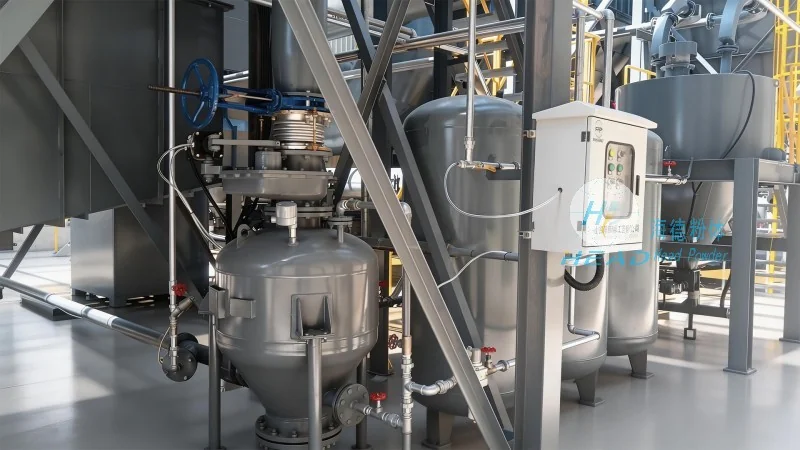
Negative pressure, or vacuum, pneumatic conveying systems operate by creating a low-pressure environment at the material inlet, drawing the powder into the pipeline using a vacuum pump. This method is particularly effective for transporting materials over moderate distances, typically up to several hundred meters, and is well-suited for applications where the material is to be delivered to a single destination or a series of points. The system works by using a vacuum to pull the material from the source, ensuring a continuous flow as long as the vacuum is maintained. One of the key advantages of negative pressure systems is their ability to handle fine powders and dust without causing excessive wear on the equipment, as the material is drawn rather than pushed. However, they may face challenges with long-distance transport, as the vacuum strength can diminish over distance, potentially leading to reduced efficiency or material deposition in the pipeline.
Advantages and Limitations of Negative Pressure Systems
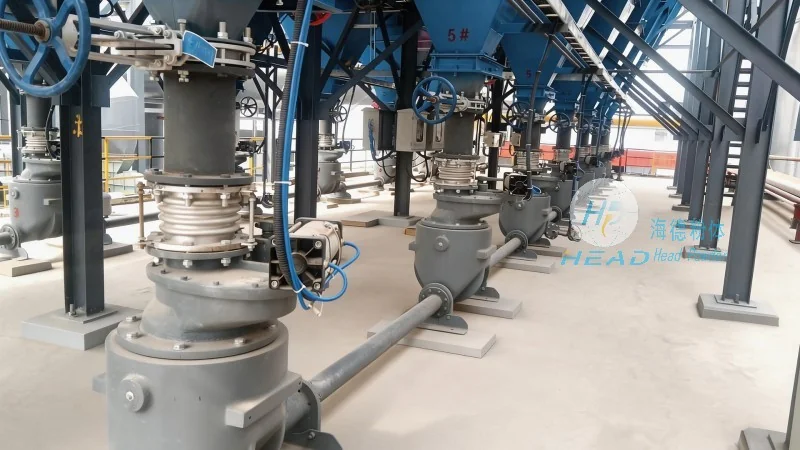
For coal and limestone powder applications, negative pressure systems offer several benefits. They are generally more energy-efficient for shorter distances, as the vacuum pump operates at lower pressures compared to positive pressure systems. Additionally, these systems are less likely to cause dust explosions, as the material is drawn into the pipeline rather than being expelled under pressure. This makes them a safer option in environments where combustible dust is present. On the other hand, negative pressure systems may require more complex filtration and maintenance, as the vacuum pump and associated components need regular cleaning to prevent clogging from fine particles. The initial setup cost can also be higher due to the need for robust vacuum equipment and proper sealing to maintain the vacuum level.
Positive Pressure Pneumatic Conveying Explained
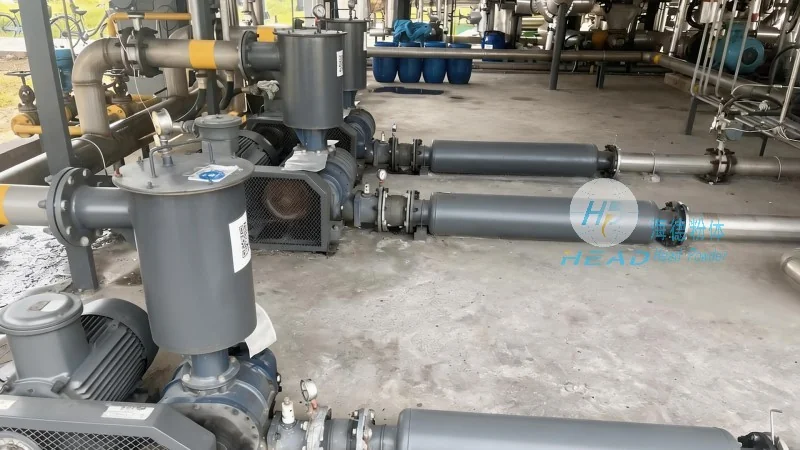
In contrast, positive pressure systems use a blower or compressor to generate high-pressure air that pushes the material through the pipeline. This approach is ideal for longer distances, often exceeding 1 kilometer, and for applications requiring multiple delivery points or complex routing. The positive pressure method ensures a consistent flow of material by maintaining a higher pressure than the ambient environment, which helps prevent material settling or blockages in the pipeline. Unlike negative pressure systems, positive pressure systems do not rely on a vacuum pump, making them simpler in terms of maintenance and operation. However, they are more prone to causing dust explosions if the system is not properly designed with explosion-proof components, as the material is expelled under pressure. This necessitates careful consideration of safety measures and material compatibility when implementing positive pressure systems.




