Organic fertilizer granules are a crucial component in modern agricultural practices, providing essential nutrients to soil and promoting plant growth. The efficient and reliable transportation of these granules from production sites to application areas is a critical aspect of the overall fertilizer supply chain. Various conveying methods have been developed to handle organic fertilizer granules, each with its own advantages and limitations. This article provides a detailed comparison of common organic fertilizer granule conveying methods, highlighting their applications, operational principles, and suitability for different scenarios.
Overview of Organic Fertilizer Granule Conveying
Organic fertilizer granules, such as compost, manure-based products, and bio-fertilizers, are typically produced in bulk and require specialized equipment for transportation. The choice of conveying method depends on factors like the granule size, moisture content, bulk density, and the distance to be covered. Common methods include pneumatic conveying, screw conveyors, belt conveyors, and bucket elevators. Each method offers unique benefits in terms of speed, cost, and suitability for different production scales.
Pneumatic Conveying Systems
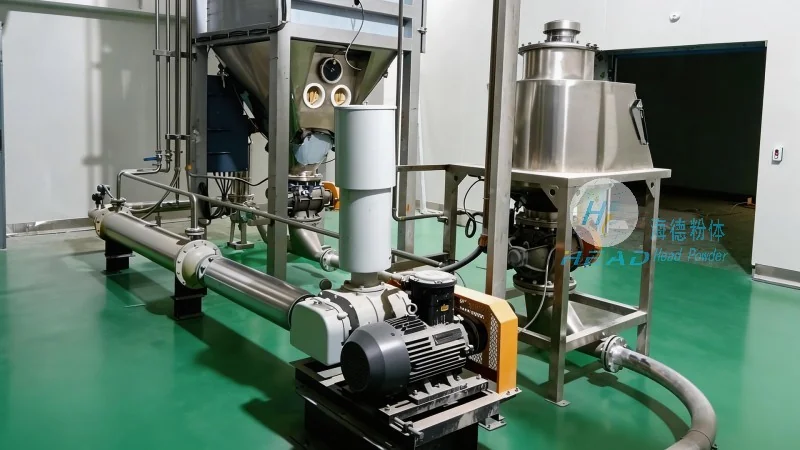
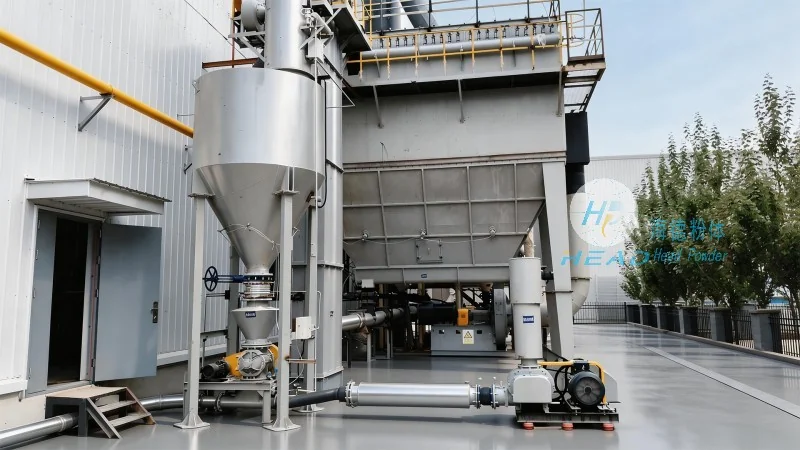
Pneumatic conveying, also known as air conveying, is a widely used method for transporting organic fertilizer granules. This system uses compressed air to move granules through a pipeline. There are two main types: pressure and vacuum systems. Pressure systems push granules forward using high-pressure air, while vacuum systems pull granules through the pipeline using a vacuum. Pneumatic conveying is particularly effective for handling fine or dusty granules and can cover long distances with minimal maintenance. However, it requires significant energy input and may not be suitable for very large or heavy granules due to the risk of blockages or excessive pressure.
Screw Conveyors
Screw conveyors, also known as auger conveyors, are another common method for transporting organic fertilizer granules. These systems consist of a rotating screw (auger) inside a tube or trough, which moves granules forward through the mechanism. Screw conveyors are suitable for handling granules with a wide range of sizes and moisture contents. They are relatively low-cost and easy to install, making them popular for small to medium-scale operations. However, they may experience wear and tear on the screw and trough over time, especially with abrasive granules. Additionally, screw conveyors are not ideal for very long distances or steep inclines, as the granules may slip back or cause excessive friction.
Belt Conveyors
Belt conveyors are widely used in the fertilizer industry for transporting granules over short to medium distances. These systems consist of a continuous belt that moves over rollers or pulleys, carrying granules from one point to another. Belt conveyors are capable of handling large volumes of granules and can be designed with multiple lanes or inclines. They are particularly effective for horizontal or slightly inclined transport and are often used in combination with other equipment, such as feeders or elevators. However, belt conveyors require regular maintenance to prevent belt slippage or wear, and they may not be suitable for very fine or sticky granules that could cause the belt to become clogged.
Bucket Elevators
Bucket elevators are vertical or inclined conveyors that use a series of buckets attached to a chain or belt to lift granules from a lower to a higher level. This method is commonly used for transporting granules from storage silos or production lines to processing or packaging areas. Bucket elevators are highly efficient for vertical transport and can handle a wide range of granule sizes and densities. They are relatively low-maintenance and can operate continuously for long periods. However, bucket elevators may not be suitable for very large or irregularly shaped granules, as the buckets may not fit properly or could cause blockages. Additionally, the height and length of the elevator must be carefully designed to ensure smooth operation and prevent material spillage.
Comparative Analysis of Conveying Methods
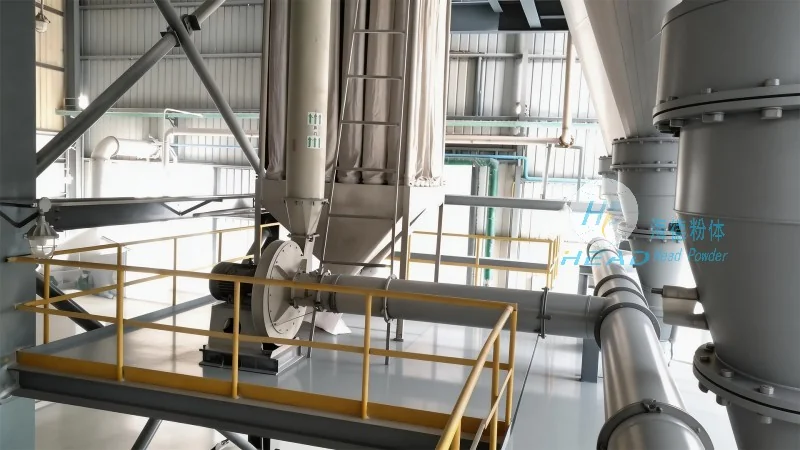
When selecting a conveying method for organic fertilizer granules, several factors must be considered. Pneumatic conveying is ideal for fine granules and long distances but requires high energy input. Screw conveyors are cost-effective and easy to install but may suffer from wear and tear. Belt conveyors are suitable for large volumes and horizontal transport but need regular maintenance. Bucket elevators are efficient for vertical transport but may not handle large or irregular granules well. The choice of method should be based on the specific characteristics of the granules, the distance to be covered, and the operational requirements of the facility.
Application Scenarios and Recommendations
For small-scale organic fertilizer production, screw conveyors or belt conveyors may be sufficient due to their lower cost and simplicity. For medium to large-scale operations, pneumatic conveying or bucket elevators may be more appropriate, especially if long distances or vertical transport is required. It is important to consider the granule properties, such as size, moisture content, and bulk density, as these factors can significantly impact the performance of the conveying system. Additionally, the availability of space and the need for integration with other equipment should be taken into account when choosing a conveying method.
Conclusion
Organic fertilizer granule conveying is a critical process in the fertilizer industry, and the choice of conveying method can significantly impact the efficiency and cost of operations. Pneumatic conveying, screw conveyors, belt conveyors, and bucket elevators each offer unique advantages and limitations. By understanding the characteristics of the granules and the operational requirements, producers can select the most suitable conveying method to ensure smooth and reliable transport. As the demand for organic fertilizers continues to grow, the development of efficient conveying systems will remain a key focus in the industry.




