Phenolic resin, a widely used synthetic resin in industrial applications, often requires efficient and reliable material handling solutions. Pneumatic conveying systems have emerged as a preferred method for transporting phenolic resin due to their ability to handle fine powders and maintain product integrity. The effectiveness of these systems heavily relies on the proper design and integration of key structural components. This article explores the main structures that constitute a phenolic resin pneumatic conveying system, highlighting their functions and importance in ensuring optimal performance.
Overview of Phenolic Resin Pneumatic Conveying Systems
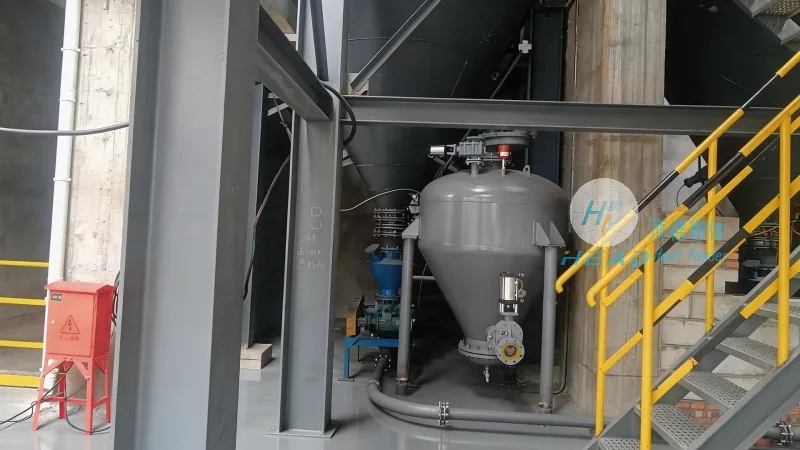
Before delving into the specific structures, it is essential to understand the general framework of a phenolic resin pneumatic conveying system. These systems typically consist of a series of interconnected components that work together to transport the resin from a source to a destination. The core components include the material feed unit, conveying lines, air supply system, and collection equipment. Each of these components plays a critical role in the overall operation, and the structural design of each part directly impacts the system's efficiency and reliability.
Key Structural Components of Phenolic Resin Pneumatic Conveying Systems
The main structures of a phenolic resin pneumatic conveying system can be categorized into several key components. These include the hopper and feed system, the conveying pipeline, the air supply and control unit, and the dust collection and filtration system. Each component is designed to address specific challenges associated with phenolic resin, such as its tendency to agglomerate or clog in traditional conveying methods.
The Hopper and Feed System
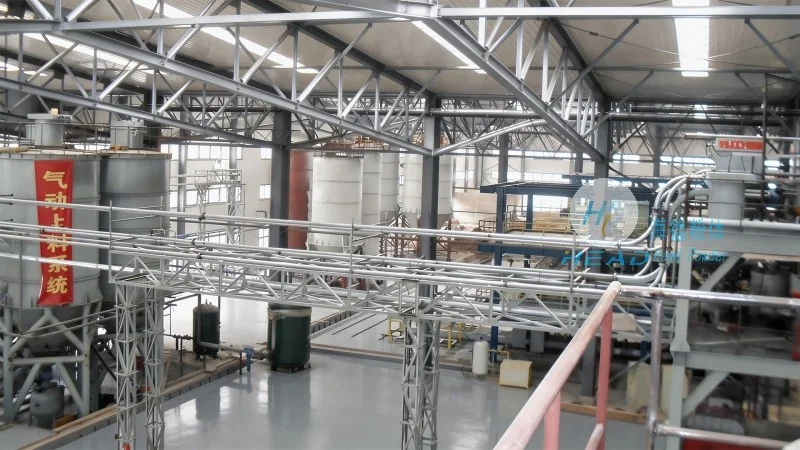
The hopper and feed system is the initial component where phenolic resin is stored and prepared for transport. The hopper is typically designed with a conical or rectangular shape to facilitate uniform material flow. For phenolic resin, which can be prone to bridging or caking, the hopper may incorporate features like agitators or vibrators to prevent material buildup. The feed unit, often a rotary valve or a star feeder, controls the rate at which resin is introduced into the conveying line. This component is crucial as it ensures a consistent flow rate, which is vital for maintaining system pressure and preventing surges or drops in material delivery.
The Conveying Pipeline
The conveying pipeline is the primary structure through which phenolic resin is transported. It is usually made of materials resistant to chemical corrosion, such as stainless steel or special plastic composites, to withstand the acidic or alkaline properties of phenolic resin. The pipeline is designed with smooth internal surfaces to minimize friction and reduce the risk of material accumulation. For systems handling fine powders like phenolic resin, the pipeline may include bends and transitions that are carefully engineered to maintain air flow efficiency and prevent pressure losses. The length and diameter of the pipeline are also critical factors, as they directly affect the system's capacity and the required air pressure.
The Air Supply and Control Unit
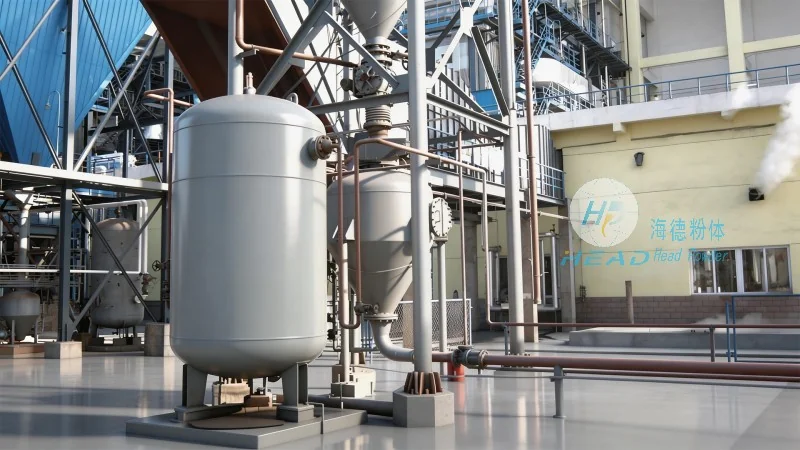
The air supply and control unit is responsible for generating and regulating the airflow necessary for pneumatic conveying. This unit typically includes a blower or a positive displacement pump that provides the required pressure and volume of air. The control system, which may include pressure sensors, flow meters, and variable frequency drives, ensures that the air supply is adjusted in real-time based on the material flow rate. For phenolic resin, which can be sensitive to moisture or temperature changes, the air supply may be filtered and conditioned to maintain a stable environment. The control unit also includes safety features, such as pressure relief valves, to prevent over-pressurization and ensure system safety.
Dust Collection and Filtration System
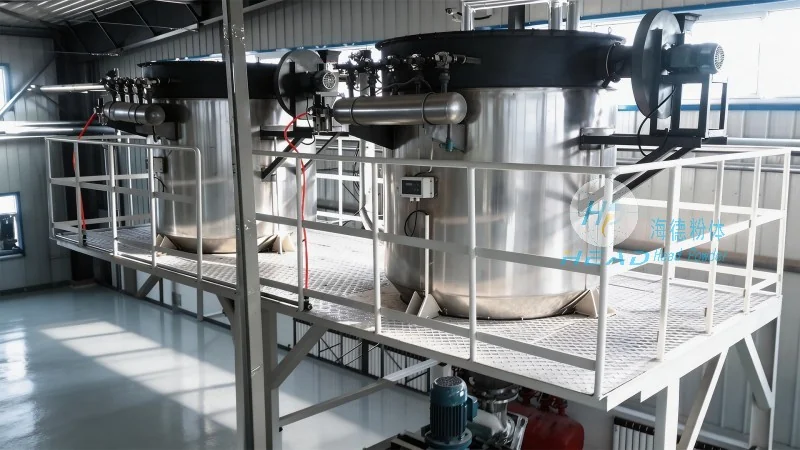
Due to the fine nature of phenolic resin, a dust collection and filtration system is essential to maintain air quality and comply with environmental regulations. This system typically consists of a cyclone separator, a baghouse filter, or a combination of both. The cyclone separator uses centrifugal force to separate larger particles from the air stream, while the baghouse filter captures finer particles. The collected dust is then disposed of or recycled, depending on the application. The filtration system is designed to handle the specific properties of phenolic resin, such as its potential to adhere to filter media, ensuring efficient and long-lasting operation.
Integration and Maintenance of Phenolic Resin Pneumatic Conveying Structures
The effectiveness of a phenolic resin pneumatic conveying system depends not only on the individual components but also on their proper integration and regular maintenance. Proper alignment of the hopper, feed system, and pipeline is crucial to prevent material blockages and ensure smooth flow. Regular cleaning and inspection of the components, especially the hopper and pipeline, are necessary to remove any resin buildup or debris that could affect performance. The air supply and control unit should be checked for proper operation, and the filtration system should be replaced or cleaned as needed to maintain air quality. By following these maintenance practices, the system can operate efficiently and reliably, ensuring consistent phenolic resin delivery.




