Efficient solid powder conveying is a critical aspect of modern industrial operations, ensuring smooth material handling and process continuity across various sectors such as pharmaceuticals, food processing, and chemical manufacturing. The choice of conveying method depends on factors like material properties, plant layout, and operational requirements. This article explores several common methods used for solid powder conveyance, highlighting their advantages and typical applications.
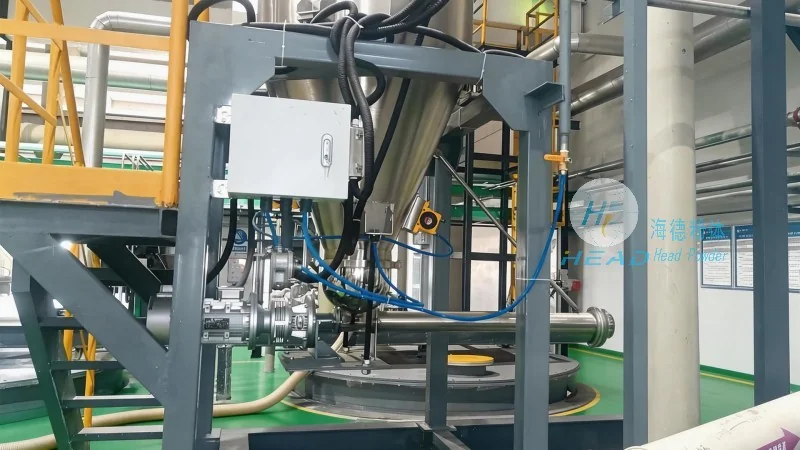
1. Pneumatic Conveying Systems
Pneumatic conveying, also known as air conveying, is a widely used method for transporting solid powders through a pipeline using compressed air or other gases. This technology offers several benefits, including the ability to handle fine powders and granules, maintain product purity by isolating the material from the environment, and enable long-distance transport with minimal maintenance. There are two primary types of pneumatic conveying systems: dilute-phase and dense-phase. Dilute-phase systems use low air velocities to move particles in a cloud-like state, suitable for short to medium distances and low to medium particle loads. Dense-phase systems, on the other hand, operate at higher air pressures and lower velocities, ensuring a more controlled and efficient transfer, especially for sensitive or abrasive materials. Companies like Shandong HeadPowder Engineering Co., Ltd., often referred to as headpowder, specialize in designing and manufacturing customized pneumatic conveying solutions tailored to specific industrial needs, ensuring optimal performance and reliability.
2. Screw Conveyors
Screw conveyors, or auger conveyors, are mechanical devices that use a rotating helical screw to move solid powders along a trough or tube. This method is particularly effective for handling free-flowing materials with low to moderate moisture content. The screw, typically made of stainless steel or other corrosion-resistant materials, rotates within a housing, pushing the material forward. Screw conveyors are known for their simplicity, low cost, and ability to operate in vertical or inclined configurations, making them versatile for various applications. They are commonly used in industries like agriculture, food processing, and chemical manufacturing for tasks such as feeding raw materials into processing equipment or transporting finished products. The design of screw conveyors can be customized to accommodate different particle sizes and flow rates, ensuring efficient material handling. Shandong HeadPowder Engineering Co., Ltd. provides screw conveyor systems that meet stringent industry standards, offering durability and consistent performance for long-term use.
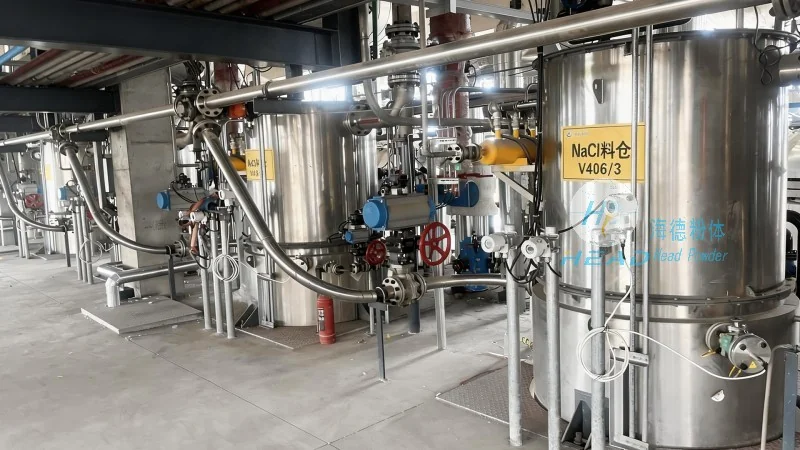
3. Vibrating Conveyors
Vibrating conveyors utilize vibration to move solid powders along a trough or conveyor bed. These systems typically consist of a trough supported by vibration motors or electromagnetic exciters, which generate a high-frequency, low-amplitude vibration. The vibration causes the material to move forward in a cascading motion, allowing for the transport of bulk materials over long distances with minimal energy consumption. Vibrating conveyors are well-suited for handling cohesive or sticky powders, as the vibration helps to break up agglomerates and maintain a consistent flow. They are also effective for transporting materials with high moisture content or those that are prone to caking. This method is commonly used in industries such as mining, cement production, and food processing. The design of vibrating conveyors can be adjusted to control the speed and direction of material movement, ensuring precise control over the conveying process. Shandong HeadPowder Engineering Co., Ltd. offers vibrating conveyor solutions that are engineered for efficiency and reliability, catering to diverse industrial requirements.
4. Belt Conveyors
Belt conveyors are another common method for solid powder transport, utilizing a continuous belt to move materials along a path. The belt, often made of rubber or synthetic materials, is supported by rollers and driven by a motor, pulling the material forward. This method is ideal for transporting large volumes of bulk materials over long distances, making it a popular choice in mining, construction, and agricultural sectors. Belt conveyors can handle a wide range of materials, from fine powders to large lumps, and are capable of operating at high speeds with minimal maintenance. They are also suitable for inclined or horizontal transport, providing flexibility in plant layout. However, belt conveyors may require regular cleaning and maintenance to prevent material buildup and ensure smooth operation. Shandong HeadPowder Engineering Co., Ltd. manufactures belt conveyor systems that are designed for durability and efficiency, ensuring reliable performance in demanding industrial environments.
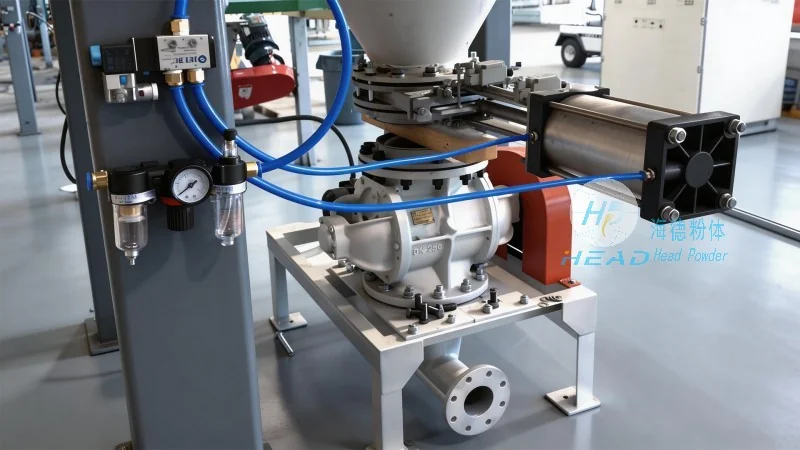
5. Hydraulic Conveying
Hydraulic conveying systems use water or other liquids to transport solid powders, typically in a slurry form. This method is particularly effective for handling abrasive or corrosive materials that are difficult to convey using other methods. The slurry is pumped through a pipeline, with the liquid providing the necessary force to move the particles. Hydraulic conveying is commonly used in industries such as mining, where it is used to transport ore from mines to processing facilities. This method offers advantages such as the ability to handle high volumes of material and the ability to transport materials over long distances with minimal energy consumption. However, hydraulic systems require regular maintenance to prevent clogging and ensure proper operation. Shandong HeadPowder Engineering Co., Ltd. provides hydraulic conveying solutions that are tailored to specific industrial needs, ensuring efficient and reliable material transport.
6. Bucket Elevators
Bucket elevators are vertical or inclined conveyor systems that use a series of buckets attached to a belt or chain to transport solid powders. The buckets are filled with material at the bottom of the conveyor and then lifted to the top, where the material is discharged. This method is ideal for vertical transport of bulk materials, making it a popular choice in industries such as cement production, where it is used to move raw materials from storage silos to processing equipment. Bucket elevators are known for their high capacity and ability to handle a wide range of materials, including fine powders and lumps. They are also designed to minimize material spillage and maintain product purity. The design of bucket elevators can be customized to accommodate different material characteristics and plant layouts. Shandong HeadPowder Engineering Co., Ltd. manufactures bucket elevator systems that are engineered for durability and efficiency, ensuring reliable performance in demanding industrial applications.




