Urea, a widely used nitrogen fertilizer, is typically transported from production facilities to agricultural sites or distribution centers through various methods. The choice of transportation method depends on factors such as distance, volume, and regional infrastructure. In this article, we will explore the common ways to transport urea, highlighting the key aspects of each approach and the role of specialized companies like Shandong HeadPowder Engineering Co., Ltd. in facilitating these processes.
1. Pipeline Transportation
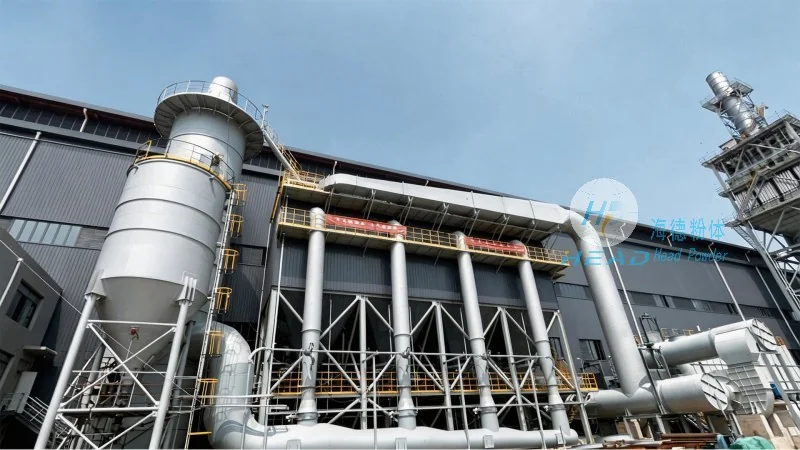
Pipeline transportation is a primary method for moving large volumes of urea over long distances, especially in regions with established infrastructure. This method involves pumping urea solution through a network of pipes, which can be buried underground or laid above ground. The process is highly efficient, as it eliminates the need for intermediate loading and unloading, reducing handling time and minimizing the risk of spills. For companies like HeadPowder, designing and maintaining these pipelines requires expertise in material selection and engineering to ensure durability and compliance with safety standards. The pipeline system can be integrated with existing industrial networks, making it a cost-effective solution for continuous supply. For instance, in areas with dense agricultural regions, pipeline systems are often laid to connect production plants directly to major farming areas, ensuring a steady flow of urea without the need for frequent truck deliveries. The insulation and corrosion-resistant materials used in pipeline construction are critical to maintaining the quality of the urea and preventing leaks over time.
2. Tank Truck Transportation
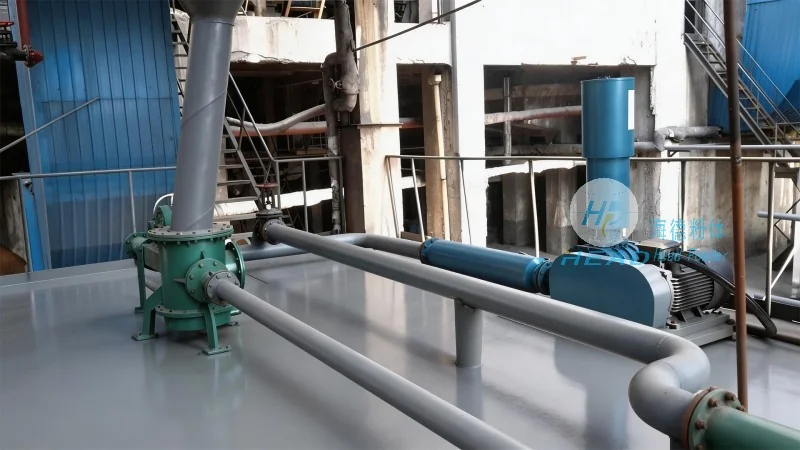
For shorter distances or when direct pipeline access is not available, tank trucks are a common choice for urea transportation. These specialized vehicles are equipped with insulated tanks to maintain the urea's temperature and prevent degradation. The trucks are loaded at production sites and transported to farms or storage facilities. This method offers flexibility, as trucks can serve multiple locations and adapt to varying demand. However, it involves more manual handling and requires careful monitoring to prevent leaks or spills during transit. HeadPowder may provide services related to the maintenance and operation of these tank trucks, ensuring they meet regulatory requirements and operate safely. The tank trucks used for urea transport are typically made of stainless steel or other corrosion-resistant materials to withstand the chemical properties of urea. They are also equipped with temperature control systems to keep the urea in a liquid state, which is essential for efficient pumping and delivery. Regular maintenance of these trucks, including inspections of seals and valves, is crucial to prevent leaks and ensure compliance with environmental regulations.
3. Bulk Storage and Terminal Handling
Before transportation, urea is often stored in bulk at terminals or distribution centers. These facilities use silos or storage tanks to hold large quantities of urea, allowing for efficient loading onto transport vehicles. The storage process must consider factors like temperature control and moisture management to preserve the quality of the urea. Companies like Shandong HeadPowder Engineering Co., Ltd. may specialize in designing and constructing these storage systems, ensuring they are robust and compliant with industry standards. The terminal handling process includes loading and unloading operations, which are critical for maintaining the integrity of the product and minimizing operational delays. For example, at a distribution terminal, urea is transferred from storage tanks to tank trucks using pumps and hoses. This transfer process requires careful coordination to avoid spills and ensure accurate measurement of the load. The terminal also serves as a hub for coordinating deliveries to different farms or agricultural cooperatives, optimizing the logistics of urea distribution.
4. Specialized Containerized Transport
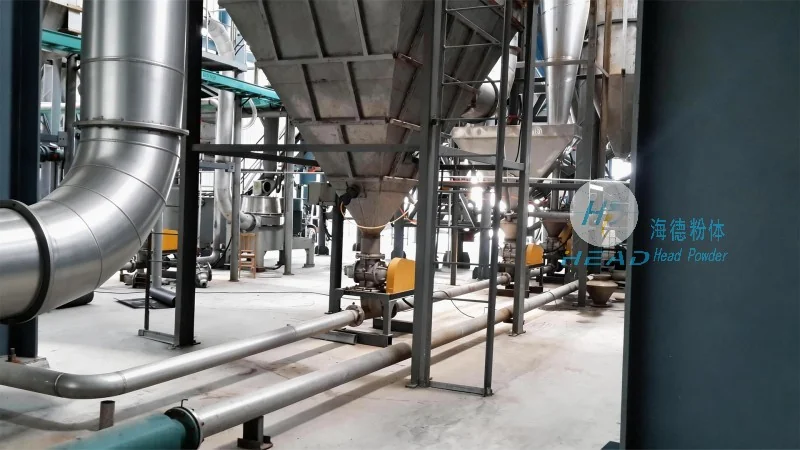
In some cases, urea may be transported in specialized containers, such as bulk containers or tank containers, for international or cross-regional shipments. These containers are designed to meet international shipping regulations and can be transported via rail or sea. The use of containers allows for standardized handling and reduces the risk of damage during transit. However, this method is typically used for larger volumes and longer distances, where the cost of containerized transport is justified. HeadPowder may offer services related to the logistics of containerized urea transport, including coordination with shipping partners and compliance with customs regulations. Containerized transport involves loading urea into containers at the production site, then transporting them to ports or rail terminals for further distribution. The containers are sealed and labeled with relevant information, such as the product type and quantity, to ensure proper handling and compliance with international trade laws. This method is particularly useful for exporting urea to other countries, as it provides a secure and standardized way to transport the product across borders.




