When it comes to the efficient handling and transportation of soybean cake, selecting the right conveying method is crucial for optimizing production processes and ensuring product quality. Various methods are employed in the industry, each with its own advantages and applications. This article explores the common methods used for soybean cake conveying, providing insights into how these systems enhance operational efficiency in agricultural and food processing facilities.
Understanding the Importance of Soybean Cake Conveying
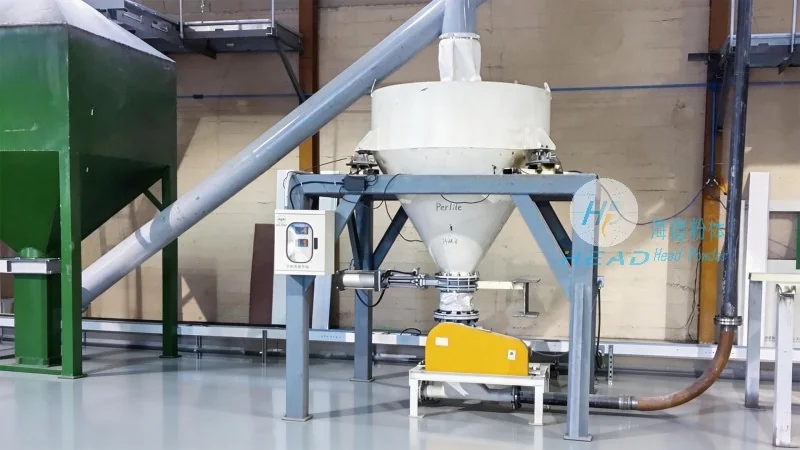
Soybean cake, a byproduct of soybean oil extraction, is widely used as animal feed and in various industrial applications. The need to move this material from one location to another efficiently is essential for maintaining smooth workflow in processing plants. Proper conveying systems not only reduce labor costs but also minimize the risk of contamination and product degradation. By understanding the different conveying methods available, businesses can choose the most suitable option for their specific operational requirements.
Common Methods for Soybean Cake Conveying
Several common methods are utilized for soybean cake conveying, each tailored to different production scales and operational needs. The primary methods include mechanical conveyors, gravity chutes, and pneumatic systems. Each method offers unique benefits and is selected based on factors such as material characteristics, distance to be covered, and the desired level of automation.
Mechanical Conveyors: A Reliable Option for Heavy-Duty Applications
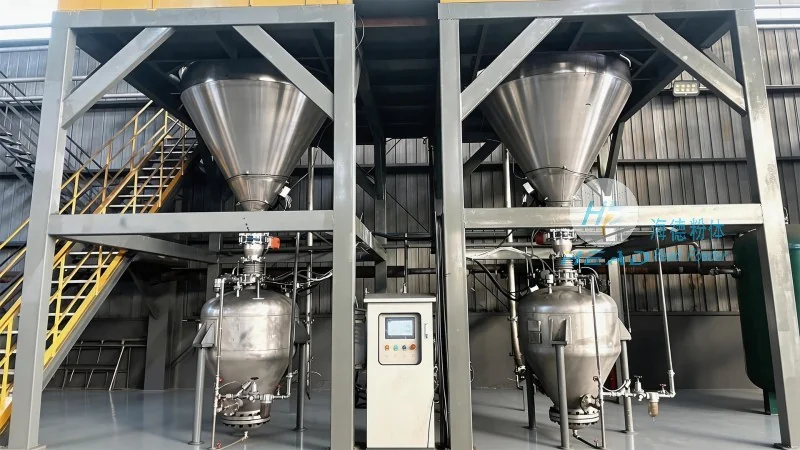
Mechanical conveyors, such as belt conveyors and screw conveyors, are widely used for transporting soybean cake due to their robust design and ability to handle heavy loads. Belt conveyors, for instance, use a continuous belt to move material along a fixed path, making them ideal for long-distance transport. Screw conveyors, on the other hand, utilize a rotating screw to push material forward, which is particularly effective for vertical or inclined transport. These systems are often preferred in large-scale processing facilities where high throughput is required.
Gravity Chutes: Cost-Effective Solutions for Short Distances
Gravity chutes are a simple and cost-effective method for conveying soybean cake over short distances. These systems rely on the natural force of gravity to move material from a higher elevation to a lower one. By designing the chute with appropriate slopes and angles, material can be efficiently transported without the need for additional power sources. Gravity chutes are commonly used in smaller-scale operations or for transporting material within a processing plant where the vertical or horizontal distance is minimal.
Pneumatic Conveying Systems: Flexible and Versatile Solutions
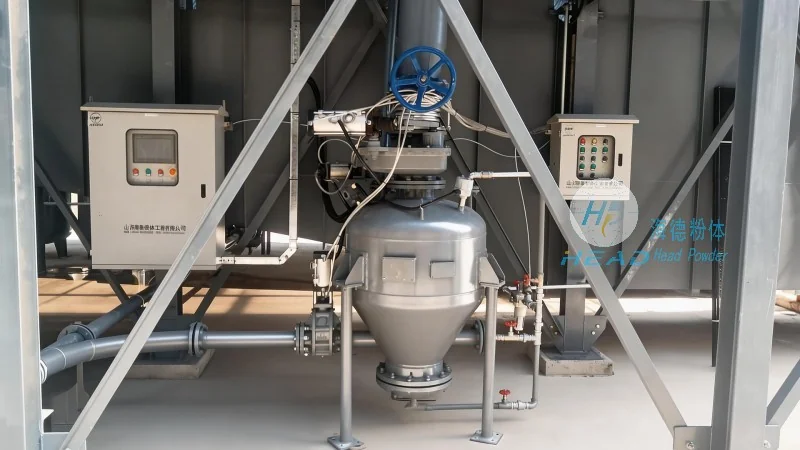
Pneumatic conveying systems use air or other gases to transport soybean cake through a network of pipes. These systems can be categorized into pressure and vacuum types, each offering different advantages. Pressure systems, which force air and material through the pipeline, are suitable for long-distance transport and can handle abrasive materials. Vacuum systems, on the other hand, draw material into the system using a vacuum pump, making them ideal for applications where material needs to be collected from multiple points. Pneumatic conveying offers high flexibility, as it can be easily integrated into existing production lines and adapted to changing operational needs.
Choosing the Right Conveying Method for Your Business
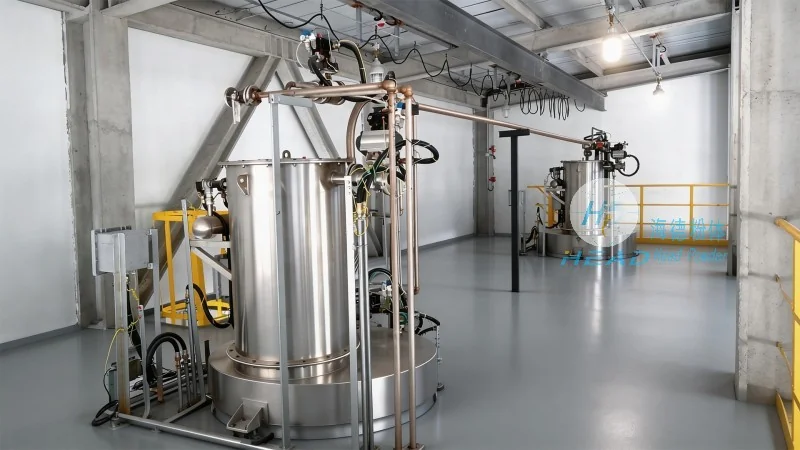
Selecting the appropriate conveying method for soybean cake requires careful consideration of several factors. The volume and consistency of the material, the distance to be covered, and the available space in the facility are all critical factors. Additionally, the budget and maintenance requirements of each system must be evaluated. For instance, mechanical conveyors may require more maintenance but offer higher durability, while gravity chutes are low-cost but limited in distance. Pneumatic systems provide flexibility but may have higher energy costs. By assessing these factors, businesses can make an informed decision that aligns with their operational goals and ensures long-term efficiency.
Conclusion: Enhancing Efficiency with Proper Conveying Solutions
In conclusion, the choice of soybean cake conveying method significantly impacts the efficiency and productivity of agricultural and food processing operations. Whether opting for mechanical, gravity, or pneumatic systems, each method has its strengths and is suitable for specific applications. By understanding the characteristics of each system and aligning them with operational needs, businesses can optimize their material handling processes. As the demand for soybean cake continues to grow, investing in efficient conveying solutions becomes increasingly important for maintaining competitiveness in the market. With the right approach, companies can ensure smooth operations, reduce costs, and enhance the overall quality of their products.




