When it comes to the efficient and reliable transport of dry flocculant powders, selecting the right conveying method is crucial for industrial processes. Flocculants are widely used in water treatment, mining, and other sectors to improve solid-liquid separation, and the choice of conveyance technology directly impacts operational efficiency, cost-effectiveness, and product quality. This article explores the common methods for dry flocculant powder conveyance, providing insights into the advantages and applications of each approach.
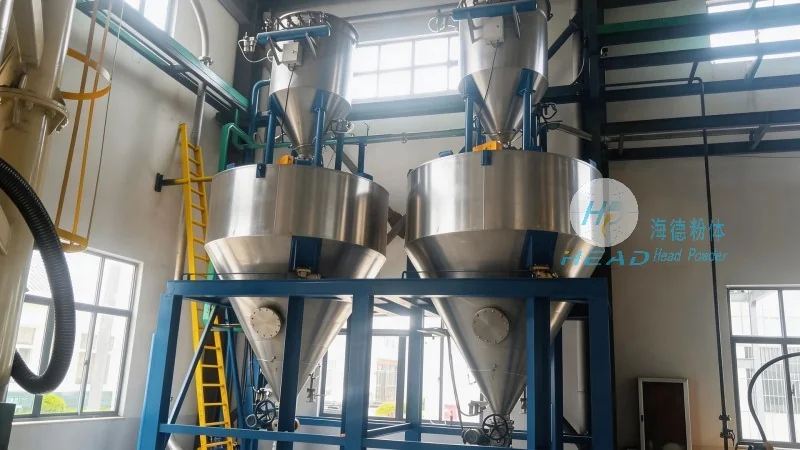
1. Screw Conveyors (Auger Conveyors)
Screw conveyors, also known as auger conveyors, are one of the most traditional and widely used methods for dry powder transport. These systems consist of a rotating helical screw blade enclosed within a U-shaped or cylindrical tube. As the screw rotates, it pushes the material forward along the tube, making it suitable for horizontal, vertical, or inclined transport. Screw conveyors are particularly effective for conveying dry flocculants that are free-flowing and non-abrasive. They offer advantages such as simple design, low maintenance, and the ability to handle materials at various temperatures. However, they may not be ideal for highly abrasive or sticky flocculants, as the screw and tube can wear out over time. The capacity of a screw conveyor depends on factors like the screw diameter, pitch, speed, and the bulk density of the flocculant. For instance, a standard screw conveyor with a 200 mm diameter and 100 rpm speed can handle several tons per hour of dry flocculant, making it a cost-effective solution for many industrial applications.
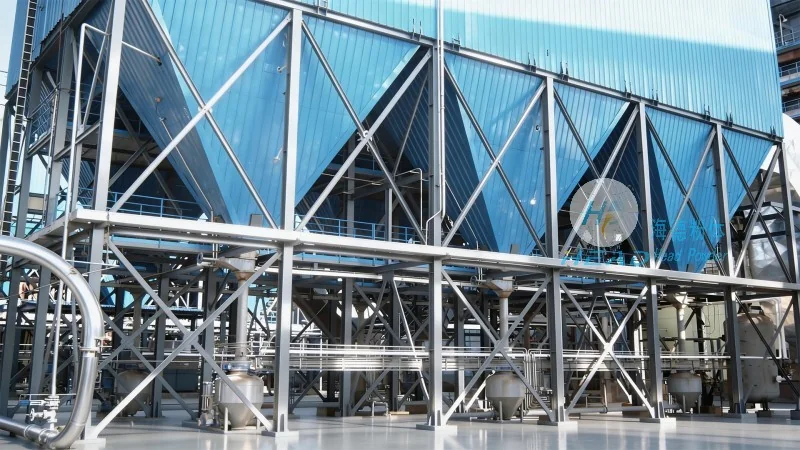
2. Pneumatic Conveying Systems
Pneumatic conveying systems use air or other gases to transport dry flocculant powders through a pipeline. These systems can be categorized into two main types: pressure and vacuum. Pressure systems force air through the pipeline, pushing the powder forward, while vacuum systems create a negative pressure to draw the material into the line. Pneumatic conveying offers several benefits, including the ability to transport materials over long distances, vertical transport capabilities, and the integration of material handling and processing steps. For example, a pressure pneumatic system can transport dry flocculant from a storage silo to a dosing point in a water treatment plant over a distance of several hundred meters. The system can also be equipped with filters and cyclones to separate the powder from the air, ensuring that the flocculant remains dry and free from contamination. However, pneumatic conveying may require higher energy input compared to mechanical systems, and the system design must consider factors like the dust explosion risk and the need for proper air filtration. The choice of pneumatic conveying depends on the specific requirements of the flocculant, such as its particle size, moisture content, and flowability.
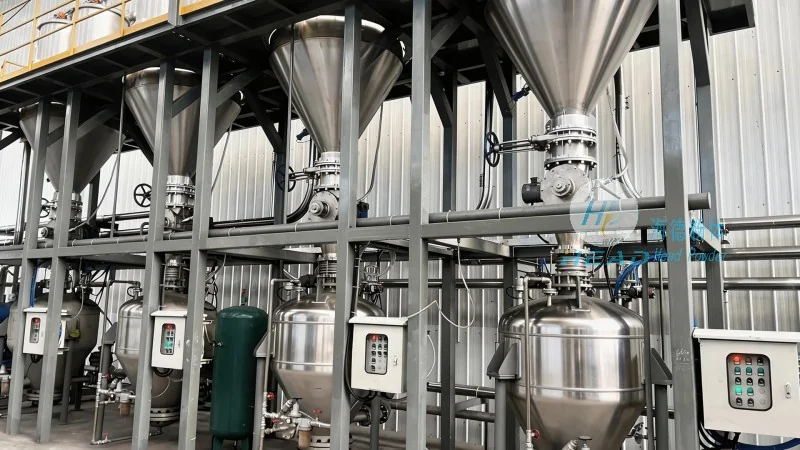
3. Bucket Elevators
Bucket elevators are vertical or inclined conveyor systems that use a series of buckets attached to a belt or chain to transport dry flocculant powders. The buckets are filled with the material at the bottom of the elevator and then lifted to the top, where the material is discharged. Bucket elevators are highly efficient for vertical transport and are commonly used in industries where the flocculant needs to be moved from a lower to a higher level, such as in mining or chemical processing. They can handle a wide range of materials, including abrasive and sticky flocculants, due to the protective design of the buckets and the belt or chain. The capacity of a bucket elevator depends on the bucket size, speed, and the bulk density of the flocculant. For example, a bucket elevator with a 300 mm bucket size and 20 rpm speed can transport several tons per hour of dry flocculant, making it suitable for large-scale operations. However, bucket elevators require more maintenance than screw conveyors and may have higher initial costs. They are also limited to vertical or steeply inclined transport and cannot handle horizontal distances effectively.
4. Belt Conveyors
Belt conveyors are another common method for dry flocculant powder conveyance, particularly for horizontal or slightly inclined transport over long distances. These systems consist of a continuous belt that moves over rollers or idlers, carrying the material from one point to another. Belt conveyors are ideal for transporting large quantities of dry flocculants, as they can handle high capacities and are relatively simple to operate. The belt material is chosen based on the properties of the flocculant, such as its abrasiveness and moisture content. For example, a rubber belt with a special coating can handle abrasive dry flocculants without significant wear. Belt conveyors can be equipped with feeders, dividers, and other accessories to control the flow of the material and ensure uniform transport. They are commonly used in bulk material handling applications, such as in the mining and water treatment industries. However, belt conveyors may not be suitable for vertical transport and require regular maintenance to prevent belt slippage or damage. The system design must also consider factors like the belt tension, speed, and the need for proper cleaning to maintain efficiency.
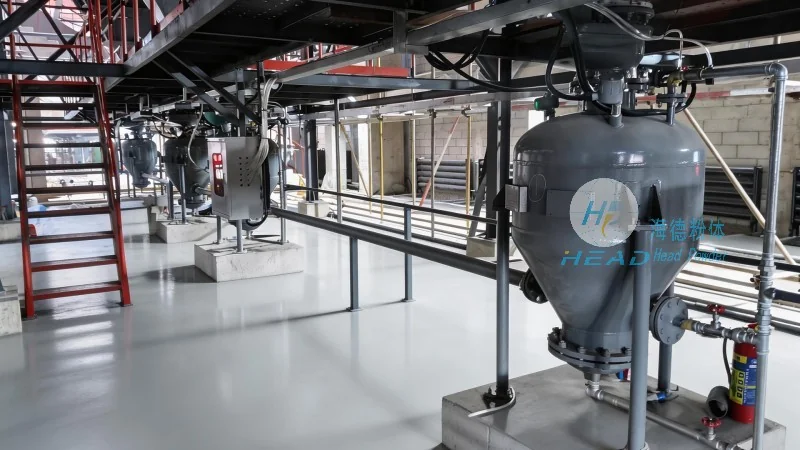
5. Vibrating Conveyors
Vibrating conveyors use vibration to move dry flocculant powders along a trough. The system consists of a trough that is mounted on vibration motors or springs, causing the material to move forward due to the vibration. Vibrating conveyors are particularly effective for handling materials with poor flowability, such as sticky or cohesive flocculants. They can also be used for inclined transport and can be equipped with various accessories like feeders and dividers to control the material flow. The advantages of vibrating conveyors include low energy consumption, low maintenance, and the ability to handle materials at various temperatures. However, they may not be suitable for highly abrasive materials, as the vibration can cause wear on the trough and other components. The capacity of a vibrating conveyor depends on factors like the trough size, vibration frequency, and the bulk density of the flocculant. For example, a standard vibrating conveyor with a 500 mm wide trough and 50 Hz vibration frequency can transport several tons per hour of dry flocculant, making it a suitable option for many industrial applications.




