For industries dealing with polyethylene pellets, efficient and reliable material handling is crucial. Pneumatic conveying systems offer a versatile solution for transporting these lightweight, abrasive materials. This article explores the different types of polyethylene pellet pneumatic conveying, their key characteristics, and the diverse applications where they are commonly employed.
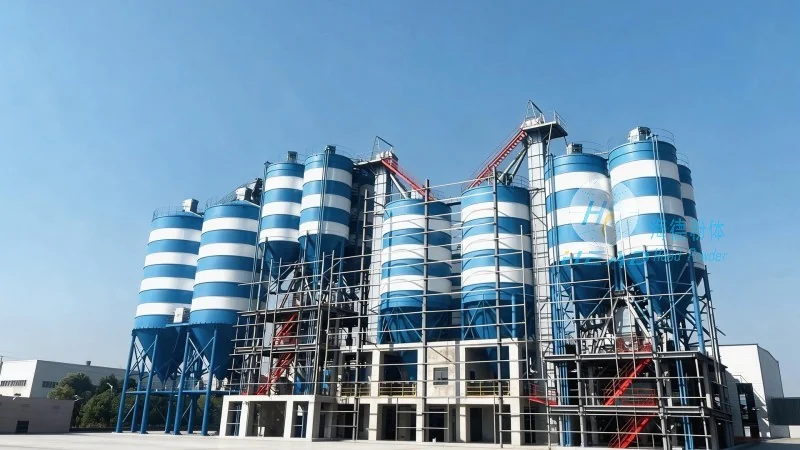
Types of Polyethylene Pellet Pneumatic Conveying
Pneumatic conveying systems for polyethylene pellets can be broadly categorized into two main types: positive pressure and negative pressure systems. Each type has distinct operational principles and is suited to different operational requirements.
Positive Pressure Pneumatic Conveying
Positive pressure systems operate by blowing air or gas into the conveying line, creating a pressure higher than the ambient air pressure. This method is often preferred for short to medium distance conveying and when the material is to be discharged into a single point. The system typically includes a blower, a hopper for material storage, and a conveying line that transports the pellets to the destination. Positive pressure systems are known for their simplicity and are effective for handling polyethylene pellets in applications where the material is to be delivered to a single receiver.
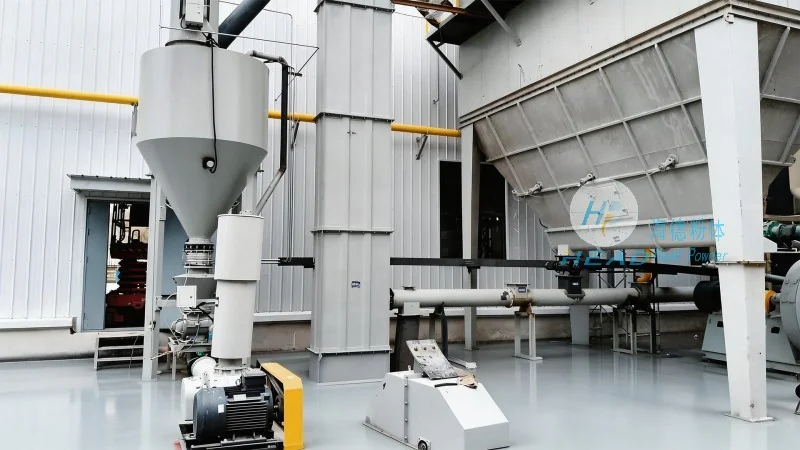
Negative Pressure Pneumatic Conveying
Negative pressure systems, also known as vacuum conveying, work by creating a vacuum in the conveying line, drawing the polyethylene pellets from the source into the system. This approach is ideal for longer distances and when multiple discharge points are required. The system uses a vacuum pump to create the suction, and the material is transported through the line to the collection point. Negative pressure systems are particularly useful for polyethylene pellets that need to be transported from a hopper or storage bin to a processing unit, especially when the material is to be distributed to several locations.
Key Characteristics of Polyethylene Pellet Pneumatic Conveying
Regardless of the type, polyethylene pellet pneumatic conveying systems share several important characteristics that make them advantageous for material handling. One of the primary benefits is the ability to transport materials in a closed system, which helps maintain product quality and prevents contamination from dust or moisture. The systems are also relatively compact and can be installed in various industrial settings, making them suitable for both new and existing facilities.
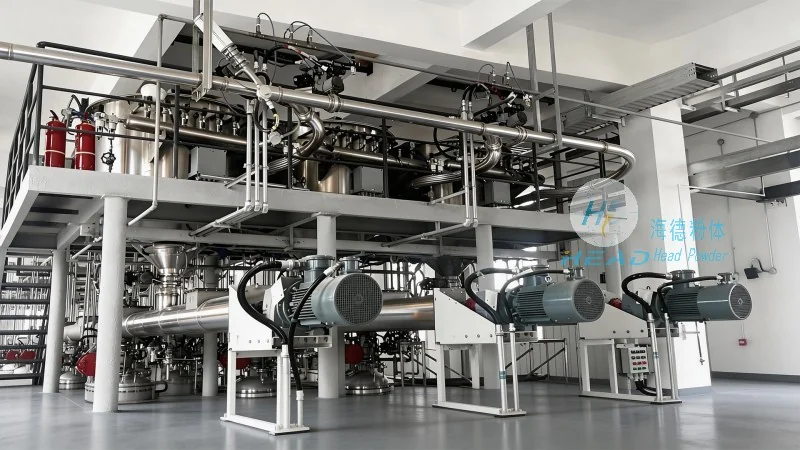
Another key characteristic is the high efficiency in terms of material throughput. Pneumatic conveying can handle large volumes of polyethylene pellets at a consistent rate, reducing downtime and increasing overall productivity. The systems are also relatively low maintenance compared to other material handling methods, as they have fewer moving parts and are less prone to mechanical failure.
Application Ranges of Polyethylene Pellet Pneumatic Conveying
Polyethylene pellet pneumatic conveying systems find wide application across various industries. In the plastics manufacturing sector, these systems are commonly used to transport raw polyethylene pellets from storage to processing equipment such as extruders or injection molding machines. The ability to handle large quantities of material efficiently makes them ideal for high-volume production lines.
In the chemical industry, pneumatic conveying is used to transport polyethylene pellets from storage tanks or silos to reactors or mixing units. The closed system ensures that the material remains uncontaminated and that the process is safe, as it prevents dust emissions and reduces the risk of fire or explosion.
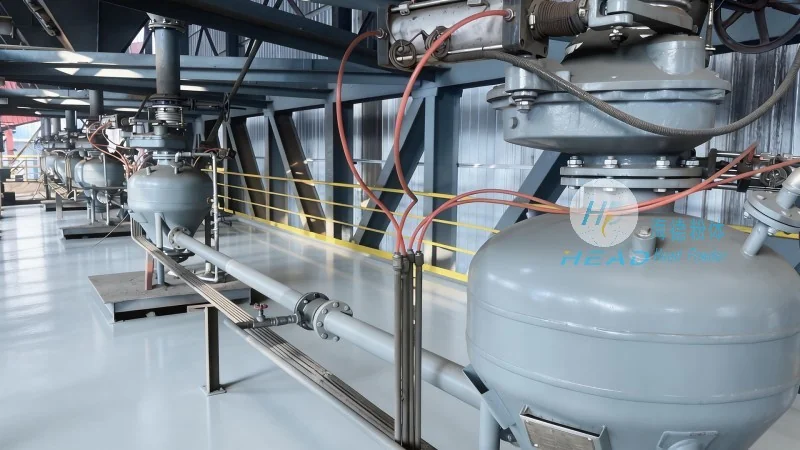
Additionally, these systems are utilized in the packaging and food processing industries, where polyethylene pellets are used to produce films or containers. The clean and efficient conveying process helps maintain the quality of the final product and ensures that the material is handled hygienically.
Conclusion
Polyethylene pellet pneumatic conveying systems offer a reliable and efficient solution for material handling in various industrial applications. By understanding the different types, characteristics, and application ranges, industries can select the most appropriate system to meet their specific needs. Whether it's for short-distance transport or long-distance distribution, these systems provide a cost-effective and effective method for handling polyethylene pellets.




