For industries dealing with polyethylene powder, efficient and reliable material handling is crucial. Pneumatic conveying technology has emerged as a key solution, offering advantages over traditional methods like belt conveyors or screw conveyors. This article explores the application and optimization of pneumatic conveying systems specifically designed for polyethylene powder, highlighting the expertise of Shandong HeadPowder Engineering Co., Ltd. (headpowder), a leading provider in the field.
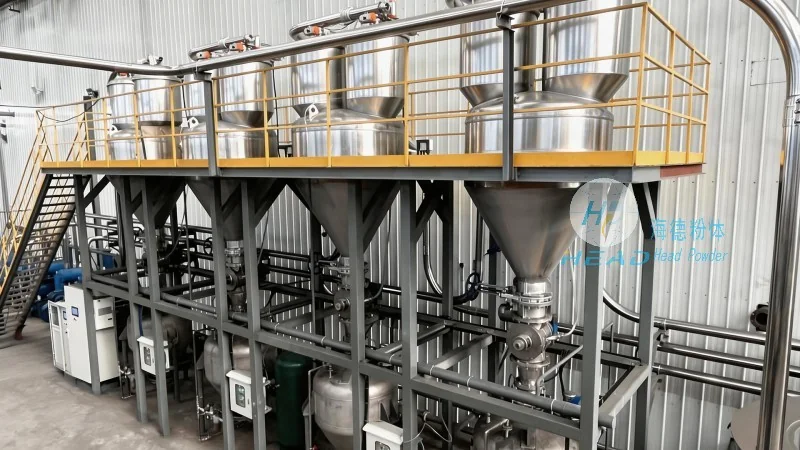
Pneumatic Conveying Basics and Its Relevance to Polyethylene Powder
Pneumatic conveying uses compressed air to transport bulk materials through a pipeline system. This method is particularly suitable for polyethylene powder due to its fine particle size and potential for static electricity. Unlike mechanical conveyors, pneumatic systems eliminate the need for physical contact with the material, reducing the risk of contamination and degradation. The technology operates by creating a pressure differential that propels the powder through the pipeline, with the velocity and pressure carefully controlled to ensure smooth and consistent flow.
Key Challenges in Polyethylene Powder Conveying and How Pneumatic Systems Address Them
Polyethylene powder presents unique challenges during handling, including dust generation, static buildup, and the tendency to agglomerate. Traditional conveyors may struggle with these issues, leading to blockages, material loss, or equipment damage. Pneumatic conveying systems are engineered to mitigate these problems. For instance, the use of positive pressure or negative pressure systems can be selected based on the specific application, with positive pressure being ideal for long-distance transport and negative pressure for short-distance or dusty environments. Additionally, the incorporation of static control measures, such as grounding and ionizing equipment, ensures safe and efficient operation, preventing static discharge that could damage sensitive equipment or cause safety hazards.
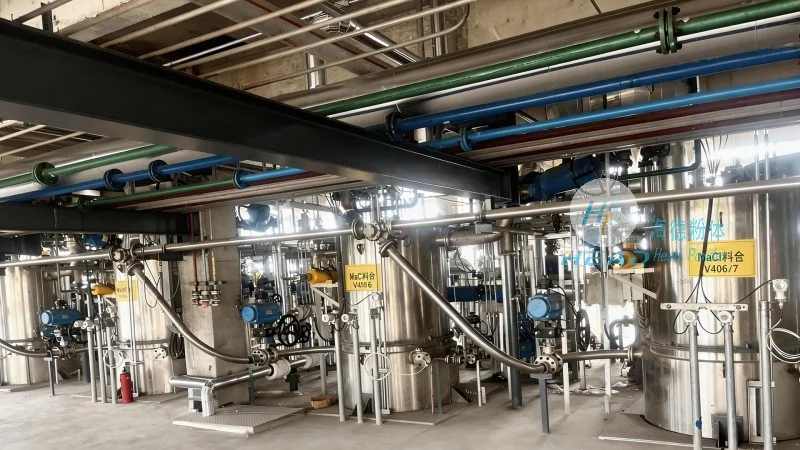
Design Considerations for Optimized Polyethylene Powder Pneumatic Conveying Systems
The success of a pneumatic conveying system for polyethylene powder depends on several critical design factors. The first is the selection of the right type of system—whether it's a dilute phase or dense phase system. Dilute phase systems are suitable for moderate distances and low to medium flow rates, while dense phase systems are preferred for high flow rates and longer distances, as they provide better control over material velocity and pressure. The pipeline layout is another crucial aspect, as the design must account for the material's properties, such as particle size distribution and bulk density, to prevent pressure drops and ensure consistent flow. HeadPowder's engineers specialize in customizing system designs to meet the specific needs of each client, considering factors like the plant layout, material handling requirements, and operational constraints.
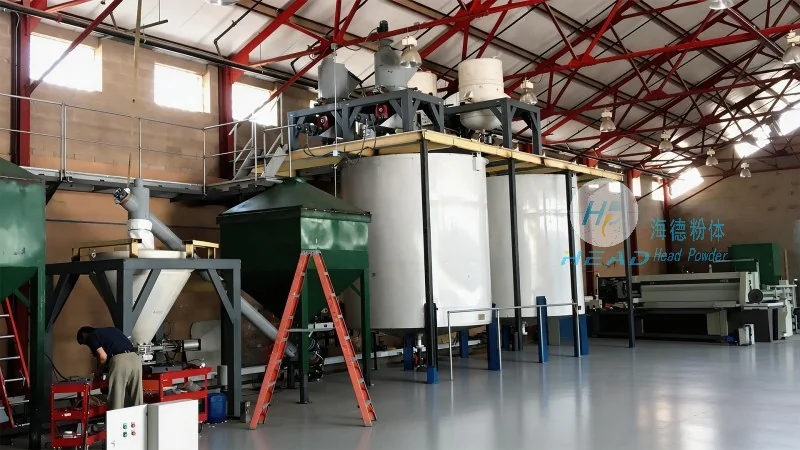
HeadPowder's Expertise in Pneumatic Conveying Solutions for Polyethylene Powder
Shandong HeadPowder Engineering Co., Ltd. (headpowder) has established itself as a trusted partner in the development and implementation of advanced pneumatic conveying systems for polyethylene powder. With years of experience and a team of skilled engineers, headpowder offers comprehensive solutions that address the unique challenges of polyethylene powder handling. The company's approach involves a thorough understanding of the client's operational needs, followed by the design and installation of customized systems that maximize efficiency and minimize downtime. HeadPowder's commitment to quality and innovation is reflected in its use of high-quality materials and components, ensuring long-term reliability and performance. The company also provides ongoing support and maintenance services, helping clients maintain optimal system performance and extend the lifespan of their equipment.
Optimization Strategies for Enhanced Performance and Cost Efficiency
Optimizing a pneumatic conveying system for polyethylene powder involves several strategies aimed at improving performance and reducing operational costs. One key strategy is the use of variable frequency drives (VFDs) to control the air flow and pressure, allowing for precise adjustment based on the material's flow characteristics. This not only improves efficiency but also reduces energy consumption. Another strategy is the implementation of monitoring systems that track key parameters such as pressure, flow rate, and temperature, providing real-time data for system adjustments and troubleshooting. HeadPowder's engineers employ these and other optimization techniques to ensure that clients achieve the best possible results from their pneumatic conveying systems. By focusing on continuous improvement and client satisfaction, headpowder helps businesses in the polyethylene industry enhance their operational efficiency and reduce costs.




