For manufacturers and processing facilities dealing with ternary positive electrode materials, the efficiency and reliability of material handling systems are critical. Air-driven transport, or pneumatic conveying, has emerged as a sophisticated solution for transporting these materials safely and effectively. This article explores the key components that constitute an air-driven transport system for ternary positive electrode materials, highlighting the technology's role in modern battery material processing.
Core Components of the Air-Driven Transport System
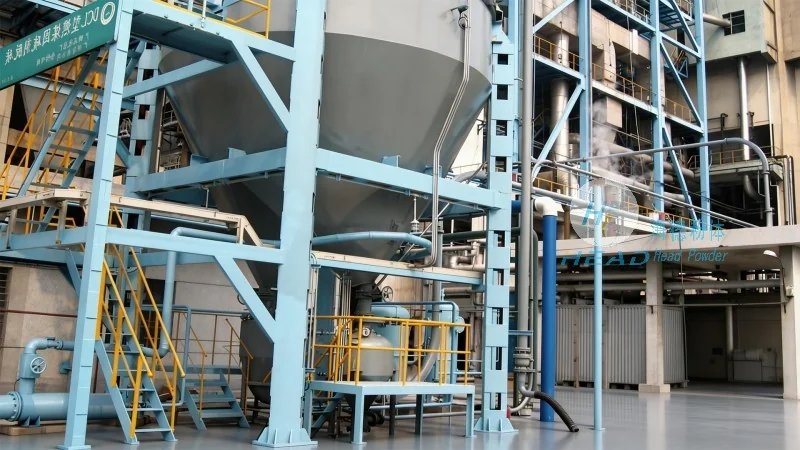
The air-driven transport system for ternary positive electrode materials typically consists of several interconnected components designed to ensure smooth material flow from the source to the destination. These components work in harmony to maintain material integrity, minimize dust generation, and optimize operational efficiency. The primary components include:
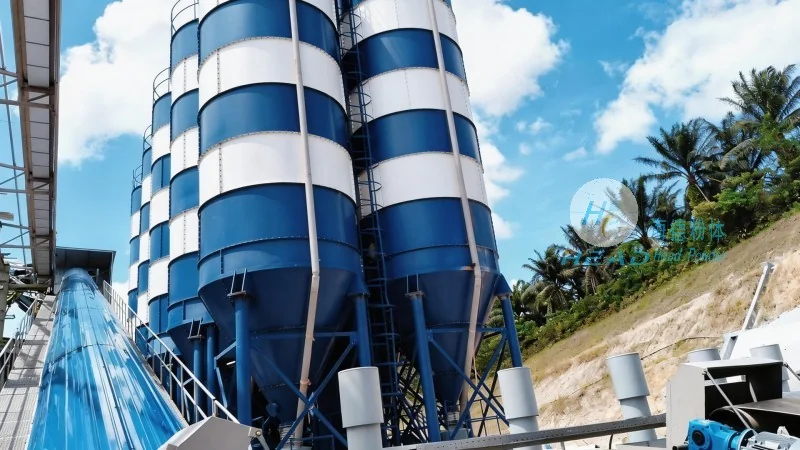
- Material Hopper or Storage Bin: This is the initial storage unit where the ternary positive electrode material is held before transport. It is designed to accommodate bulk quantities of the material and often features a discharge valve or outlet to control the flow rate.
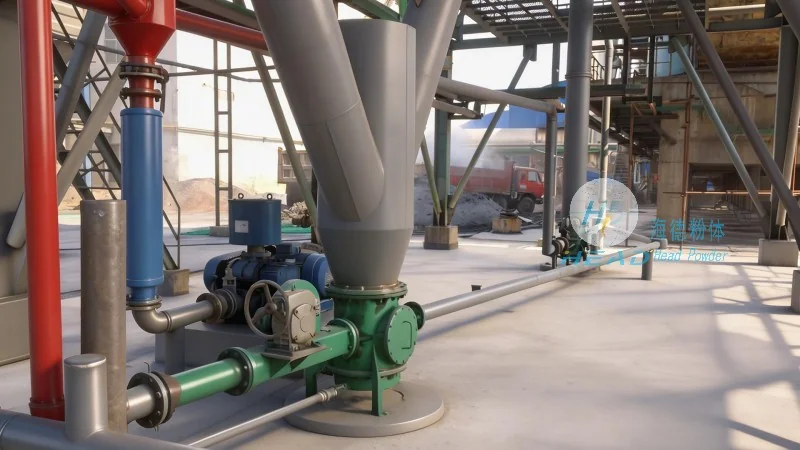
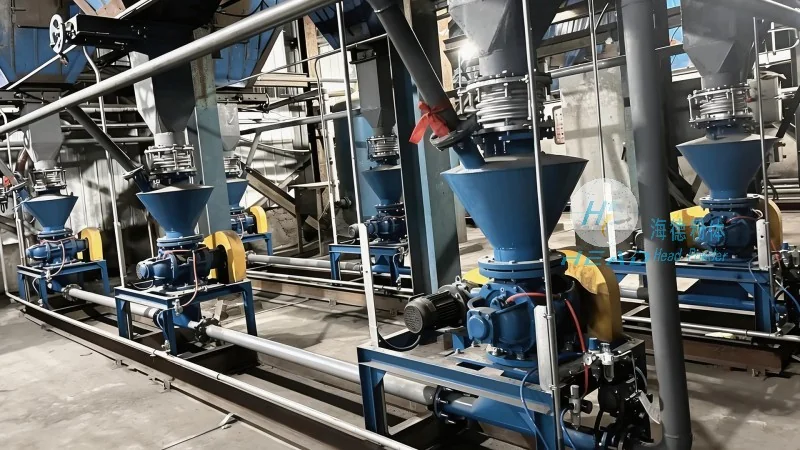
- Feeder or Metering Device: The feeder regulates the amount of material released from the hopper into the transport line. For precise control, devices such as rotary valves, screw feeders, or vibratory feeders are used to ensure consistent material flow, preventing overloading or underflow that could disrupt the system.
- Pneumatic Conveying Line: This is the central part of the system, consisting of a pipeline through which compressed air and the material are conveyed. The line is usually made of stainless steel or other corrosion-resistant materials to handle the chemical properties of the ternary positive electrode materials, which may include lithium, nickel, cobalt, and manganese compounds.
- Compressor and Air Treatment Unit: The compressor generates the high-pressure air required to move the material through the pipeline. The air treatment unit, which includes filters and dryers, ensures that the air is clean and dry, preventing contamination of the material and maintaining the efficiency of the system.
- Receiver or Discharge Bin: The receiver is the final destination where the material is deposited after being transported through the line. It is designed to collect the material and may include features like a discharge valve or a conveyor system to transfer the material to the next processing stage.
- Control System and Sensors: Modern air-driven transport systems are equipped with advanced control systems and sensors to monitor and regulate the operation. These components can detect pressure variations, material flow rates, and system performance, allowing for real-time adjustments and ensuring optimal operation.
Role of Each Component in Ensuring Efficient Material Handling
Each component of the air-driven transport system plays a crucial role in maintaining the integrity and efficiency of the process. The material hopper ensures a steady supply of the ternary positive electrode material, while the feeder controls the flow rate to match the system's capacity. The pneumatic conveying line provides the necessary pressure to move the material, and the compressor and air treatment unit ensure that the air is clean and at the right pressure. The receiver collects the material and may include additional processing steps, such as screening or mixing, to prepare it for the next stage of battery production.
Advantages of Air-Driven Transport for Ternary Positive Electrode Materials
Compared to traditional mechanical conveying methods, air-driven transport offers several advantages for handling ternary positive electrode materials. These include:
- Reduced Dust and Contamination: The enclosed system minimizes dust generation, which is critical for maintaining the purity of the material and ensuring compliance with environmental regulations.
- Improved Material Integrity: The gentle handling of the material by the air flow reduces particle breakage and agglomeration, preserving the material's physical and chemical properties.
- Flexibility in Layout: The system can be configured to follow complex layouts, allowing for integration with existing processing facilities without major structural changes.
- Energy Efficiency: Modern air-driven transport systems are designed to be energy-efficient, with optimized air flow and pressure control reducing energy consumption.
Application in Battery Material Processing
Ternary positive electrode materials are widely used in lithium-ion batteries due to their balanced performance in terms of energy density, cycle life, and cost. The air-driven transport system is an essential part of the battery material processing line, as it efficiently moves these materials from the mixing and coating stages to the cell assembly area. The components described above work together to ensure that the material is handled with precision and care, minimizing the risk of contamination and maximizing the quality of the final battery product.
Conclusion
Understanding the components of an air-driven transport system for ternary positive electrode materials is vital for manufacturers seeking to optimize their material handling processes. By leveraging the right combination of components, such as the material hopper, feeder, pneumatic line, compressor, and receiver, facilities can achieve efficient, reliable, and safe transport of these critical battery materials. Companies like Shandong HeadPowder Engineering Co., Ltd., with their expertise in engineering such systems, play a key role in supporting the growing demand for high-quality ternary positive electrode materials in the battery industry.




