Resin sand pneumatic conveying systems represent a sophisticated approach to material handling, particularly in foundries and casting operations. These systems utilize air pressure to transport resin-coated sand from one location to another, offering significant advantages over traditional methods such as belt conveyors or bucket elevators. The efficiency and reliability of pneumatic conveying make it an ideal solution for industries that require precise control over sand flow and minimal contamination.
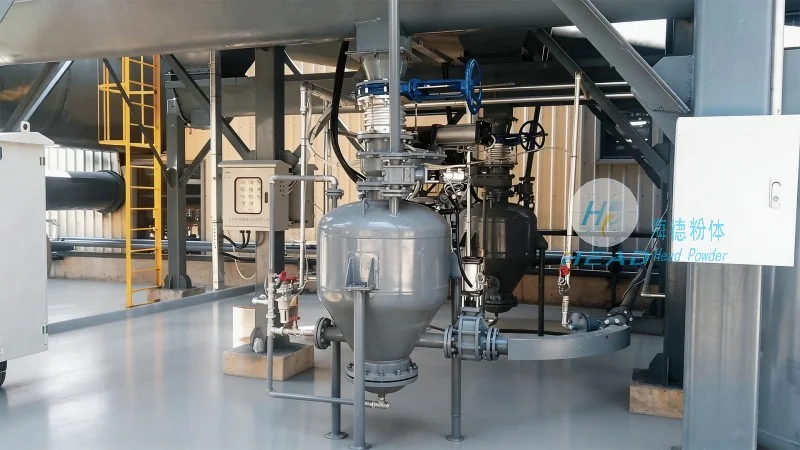
Understanding Resin Sand Pneumatic Conveying
Resin sand, a critical component in modern casting processes, is often used for its superior mold strength and dimensional accuracy. The pneumatic conveying method involves creating a low-pressure or high-pressure air stream that pulls or pushes the sand particles through a pipeline. This process ensures that the resin sand remains intact and free from degradation, which is essential for maintaining the quality of the final castings. The system typically includes components like a hopper, a feeder, a conveying line, and a receiver, all working in tandem to achieve seamless material transport.
Key Components of a Resin Sand Pneumatic Conveying System
The effectiveness of a resin sand pneumatic conveying system depends on several key components. The hopper serves as the storage vessel, holding the resin sand until it is needed. The feeder, often a rotary or vibratory type, regulates the flow of sand into the conveying line, ensuring consistent and controlled discharge. The conveying line itself is made of materials resistant to abrasion and corrosion, such as stainless steel or special alloys, to withstand the abrasive nature of resin sand. The receiver is where the sand is deposited, and it may include features like a dust collection system to maintain air quality and prevent contamination. Additionally, the system may incorporate air filtration and cleaning mechanisms to maintain optimal performance and extend the lifespan of components.
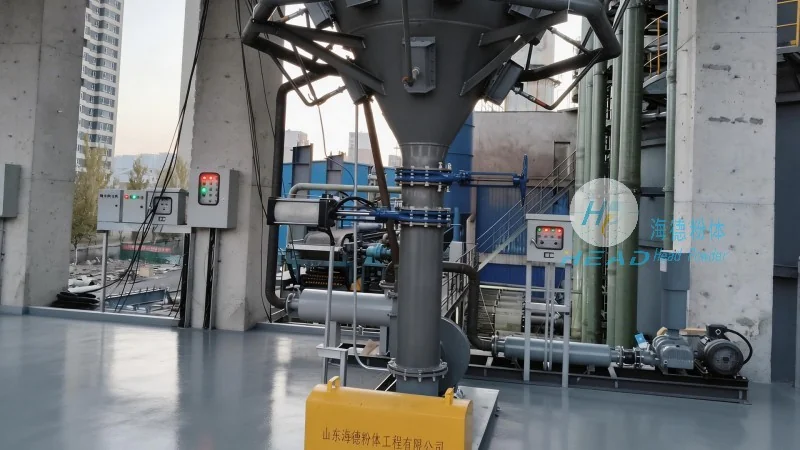
Advantages of Using Pneumatic Conveying for Resin Sand
Compared to traditional mechanical conveyors, pneumatic conveying offers several advantages for resin sand applications. One of the most significant benefits is the ability to handle abrasive materials without causing excessive wear on equipment. This reduces maintenance costs and extends the operational life of the system. Another advantage is the minimal risk of cross-contamination, as the enclosed system prevents dust and particles from escaping into the environment. Furthermore, pneumatic conveying allows for precise control over the flow rate and pressure, enabling operators to adjust the system according to production needs. This flexibility is particularly valuable in dynamic manufacturing environments where production rates may vary.
Applications in Foundry and Casting Industries
Resin sand pneumatic conveying systems are widely used in the foundry industry for various applications, including the transport of sand between molding and core-making areas, as well as for feeding sand into molding machines. In core making, the system ensures that the resin sand is delivered to the core boxes with minimal disruption, maintaining the integrity of the cores. For large-scale casting operations, the ability to transport resin sand over long distances without the need for multiple transfer points is a major advantage. This reduces the overall footprint of the foundry and improves workflow efficiency. Additionally, the system's ability to handle both dry and slightly moist resin sand makes it versatile for different casting processes.
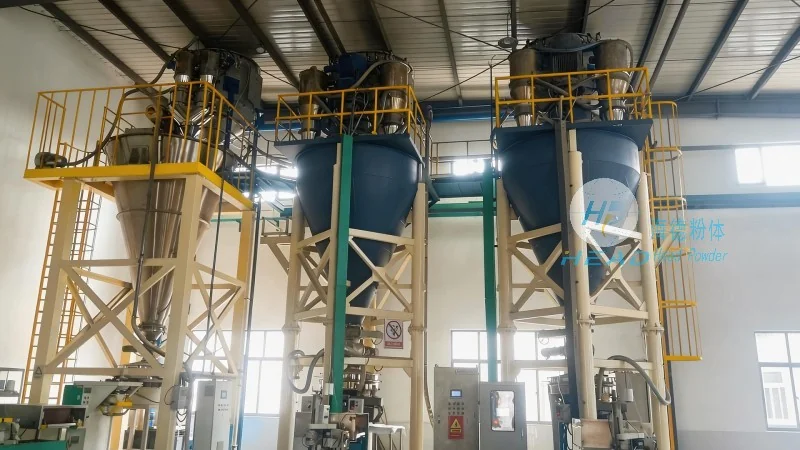
Customization and Integration with Existing Systems
Shandong HeadPowder Engineering Co., Ltd., a leading provider of material handling solutions, specializes in designing and manufacturing customized resin sand pneumatic conveying systems. The company's expertise lies in tailoring systems to meet the specific needs of each client, whether it's for a small foundry or a large industrial operation. Customization options include varying the conveying line length, adjusting the air pressure and flow rates, and integrating the system with existing production lines. HeadPowder engineers work closely with clients to understand their operational requirements and provide solutions that enhance productivity and reduce costs. The company's commitment to quality and innovation ensures that each system is built to meet the highest standards of performance and reliability.
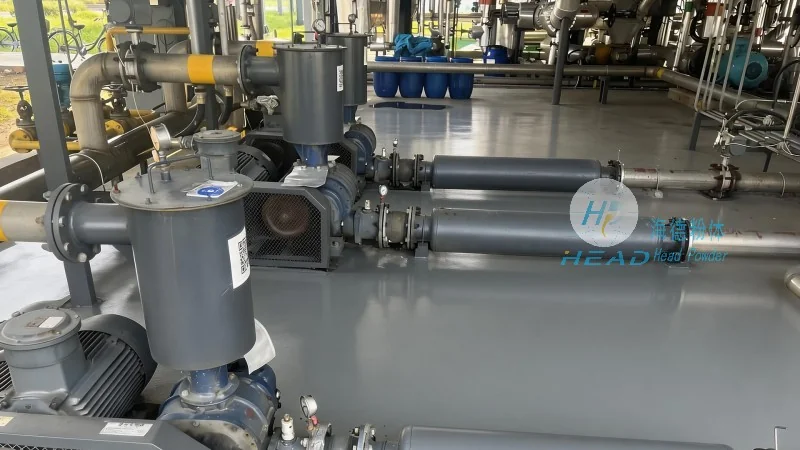
Maintenance and Operational Considerations
Proper maintenance is crucial for the long-term performance of a resin sand pneumatic conveying system. Regular inspections of the conveying line, feeder, and receiver are necessary to identify and address any issues before they become major problems. The system's air filtration and cleaning mechanisms should be checked and serviced regularly to prevent clogging and maintain air quality. Additionally, the wear parts, such as the feeder components and the interior of the conveying line, should be replaced as needed to avoid excessive wear and tear. Operational considerations include monitoring the air pressure and flow rates to ensure optimal performance and adjusting the system as production demands change. By following these maintenance and operational guidelines, foundries can maximize the lifespan of their pneumatic conveying systems and maintain consistent production quality.
Conclusion: Enhancing Foundry Efficiency with Resin Sand Pneumatic Conveying
Resin sand pneumatic conveying systems offer a reliable and efficient solution for material handling in the foundry and casting industries. By leveraging air pressure to transport resin sand, these systems provide advantages such as reduced contamination, minimal wear on equipment, and precise control over material flow. The key to maximizing the benefits of these systems lies in proper design, customization, and maintenance. Shandong HeadPowder Engineering Co., Ltd. plays a vital role in providing tailored solutions that meet the unique needs of each client, helping foundries improve their operational efficiency and maintain high-quality casting standards. As the demand for advanced material handling solutions continues to grow, pneumatic conveying systems remain a cornerstone of modern foundry operations.




