Types, Features, and Applications of Grain Pneumatic Conveying Systems
Release time:2026-09-14 10:47:18
name of the company:Shandong Headpowder Engineering Co., Ltd.
telephone:156-6277-7102
contacts:Zhang manager
Grain pneumatic conveying systems are essential in modern agricultural and food processing industries, facilitating the efficient and safe transfer of bulk materials like grains, seeds, and powders. Understanding the different types, key features, and practical applications of these systems is crucial for businesses seeking to optimize their material handling processes. This article provides an in-depth overview of the various pneumatic conveying technologies used in grain handling, highlighting their advantages, operational characteristics, and suitable use cases, as presented by Shandong HeadPowder Engineering Co., Ltd.
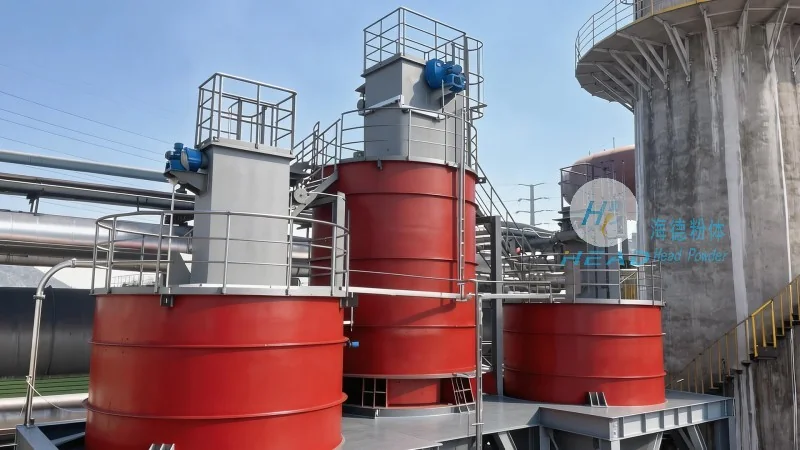
Introduction to Grain Pneumatic Conveying
Grain pneumatic conveying involves the use of air to transport bulk materials through a pipeline system. Unlike traditional mechanical conveyors, which rely on mechanical components like belts or screws, pneumatic systems utilize air pressure or vacuum to move materials. This method offers several advantages, including reduced equipment wear, lower maintenance costs, and the ability to handle a wide range of grain types without causing damage. The primary goal of grain pneumatic conveying is to move materials from one location to another with minimal loss, ensuring product integrity and operational efficiency.
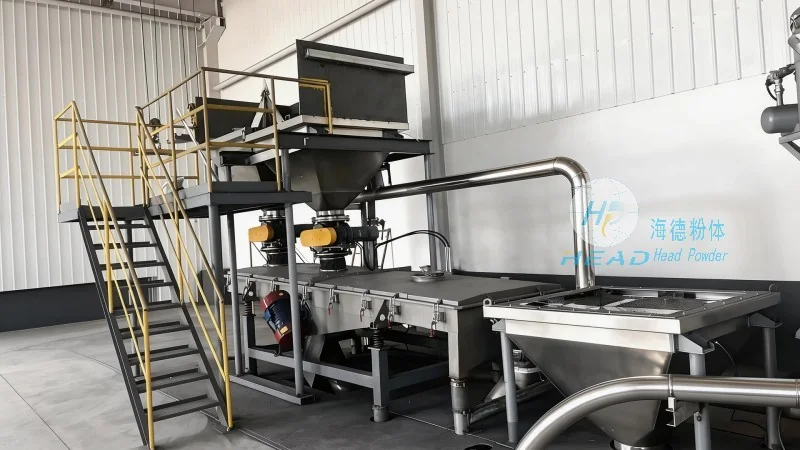
Types of Grain Pneumatic Conveying Systems
There are several types of pneumatic conveying systems, each designed to suit different operational requirements and material characteristics. The main categories include:
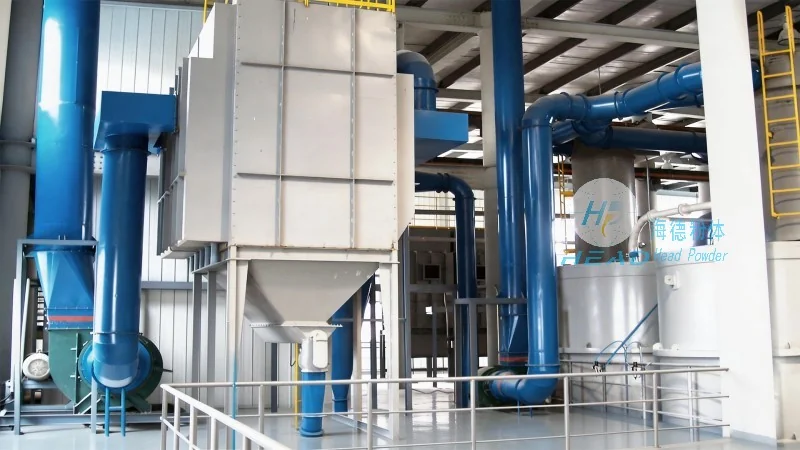
- Positive Pressure Systems: These systems use compressed air to push material through the pipeline. They are suitable for long-distance and high-capacity applications, as the air pressure can be maintained consistently along the entire conveying line. Positive pressure systems are commonly used in large-scale grain storage and processing facilities.
- Negative Pressure (Vacuum) Systems: In contrast, negative pressure systems use a vacuum to draw material into the pipeline. This method is ideal for applications requiring gentle handling, such as transporting delicate or sensitive grains that could be damaged by high air pressure. Vacuum systems are often used in smaller-scale operations or for short-distance conveying.
- Combined Pressure-Vacuum Systems: These systems integrate both positive and negative pressure capabilities, offering flexibility in handling different material types and conveying distances. They can switch between pressure and vacuum modes depending on the operational needs, making them suitable for complex material handling scenarios.
Key Features of Grain Pneumatic Conveying
Each type of pneumatic conveying system has distinct features that impact its performance and suitability. Some of the most important features include:
- Material Handling Capacity: The capacity of a system refers to the volume of material it can transport per unit time. This is influenced by factors such as air velocity, pipeline diameter, and the type of material being conveyed. High-capacity systems are typically used in large-scale grain processing plants, while low-capacity systems are suitable for smaller operations.
- Material Compatibility: Pneumatic systems can handle a wide variety of grain types, including wheat, corn, rice, and other agricultural products. The design of the system, particularly the material of the pipeline and components, must be compatible with the specific grain to prevent contamination or degradation.
- Energy Efficiency: Modern pneumatic conveying systems are designed to be energy-efficient, reducing operational costs. Features such as variable speed drives, optimized air flow, and efficient filtration systems contribute to lower energy consumption compared to traditional mechanical conveyors.
- Space Efficiency: Pneumatic systems require less floor space compared to mechanical conveyors, as they can be installed vertically or horizontally without the need for extensive support structures. This makes them ideal for facilities with limited space or where vertical space is available.
Applications of Grain Pneumatic Conveying
Grain pneumatic conveying systems are used in a wide range of applications across the agricultural and food processing sectors. Some common applications include:
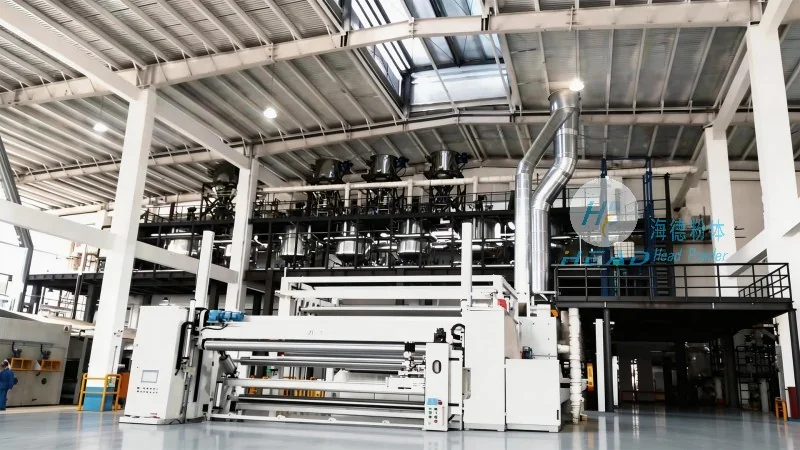
- Grain Storage and Handling: In grain storage facilities, pneumatic systems are used to transfer grain from storage silos to processing equipment or loading docks. This ensures efficient movement of bulk materials within the facility, reducing downtime and improving operational flow.
- Food Processing and Manufacturing: In food processing plants, pneumatic conveying is used to transport ingredients such as flour, sugar, and spices to production lines. The gentle handling of materials helps maintain product quality and consistency, which is critical in food manufacturing.
- Seed and Plant Material Handling: For seed companies and agricultural research facilities, pneumatic systems are used to handle and transport seeds, plant materials, and other agricultural products. This ensures that delicate seeds are not damaged during transport, preserving their viability for planting.
- Industrial and Commercial Use: Beyond agriculture, pneumatic conveying systems are used in various industrial applications, such as the transport of powders and granules in chemical and pharmaceutical industries. The versatility of these systems makes them suitable for a wide range of bulk material handling needs.
Conclusion
Grain pneumatic conveying systems offer significant advantages in terms of efficiency, flexibility, and material handling capabilities. By understanding the different types, features, and applications of these systems, businesses can select the most appropriate solution for their specific needs. Whether for large-scale grain processing or small-scale seed handling, pneumatic conveying technology provides a reliable and effective method for transporting bulk materials. As the demand for efficient and sustainable material handling solutions continues to grow, the importance of pneumatic conveying systems in the agricultural and food industries will only increase. Shandong HeadPowder Engineering Co., Ltd. specializes in providing advanced pneumatic conveying solutions tailored to meet the diverse needs of the grain and food processing sectors.




