Nickel powder, a critical material in various industrial processes, often requires efficient and reliable transportation methods to maintain its quality and prevent contamination. Pneumatic conveying, a technology that uses air or gas to move powders, is widely adopted for nickel powder handling due to its advantages in cleanliness, flexibility, and low maintenance. This article explores the different types of nickel powder pneumatic conveying systems, their key characteristics, and the diverse applications where they are utilized.
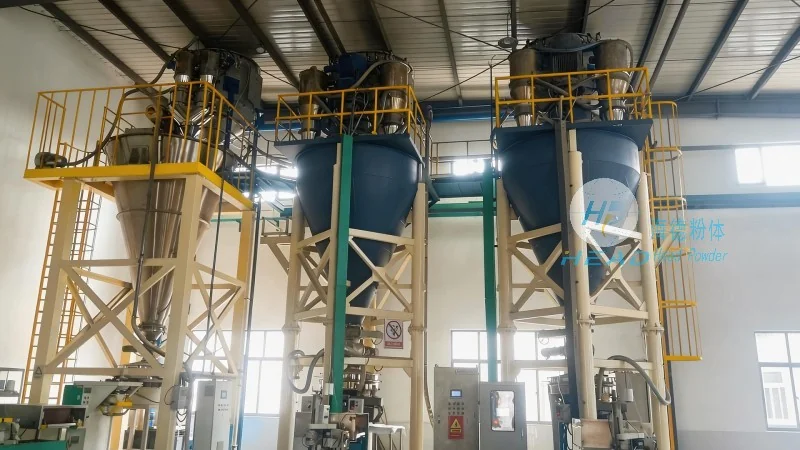
Types of Nickel Powder Pneumatic Conveying Systems
There are primarily two main categories of pneumatic conveying systems for nickel powder: dilute-phase and dense-phase systems. Each type has distinct operational principles and is suitable for different material properties and process requirements.
1. Dilute-Phase Pneumatic Conveying: This system operates by suspending the nickel powder particles in a high-velocity air stream. The particles are carried through the pipeline in a dispersed state, with a low concentration of powder relative to air. Dilute-phase systems are typically used for long-distance conveying over several hundred meters and are suitable for materials with good flowability and low dust generation. The key characteristics include high conveying velocity, low pressure drop, and the ability to handle large volumes of material efficiently. However, they may require larger air volumes and can be less effective for fine powders that tend to settle quickly.
2. Dense-Phase Pneumatic Conveying: In contrast, dense-phase systems transport nickel powder in a more concentrated state, where the powder particles are more closely packed together. This method uses lower air velocities and higher pressure to move the material through the pipeline. Dense-phase conveying is ideal for handling fine, cohesive, or abrasive nickel powders that are prone to caking or segregation. It offers better control over the material's flow, reduces the risk of particle degradation, and is suitable for short to medium-distance conveying (typically up to a few hundred meters). The main advantages include lower air consumption, reduced wear on equipment, and improved material handling for sensitive powders.
Key Features of Nickel Powder Pneumatic Conveying
Regardless of the system type, nickel powder pneumatic conveying systems share several important features that contribute to their effectiveness and reliability. These features are crucial for maintaining the quality of the nickel powder and ensuring smooth operation in industrial settings.
Firstly, cleanliness and contamination control are paramount. Pneumatic systems are enclosed, preventing the material from coming into contact with external contaminants such as moisture, dust, or other particles. This is particularly important for nickel powder, which is often used in high-purity applications like electronics, aerospace, and chemical manufacturing. The enclosed environment also helps in maintaining the material's integrity and preventing oxidation or degradation.
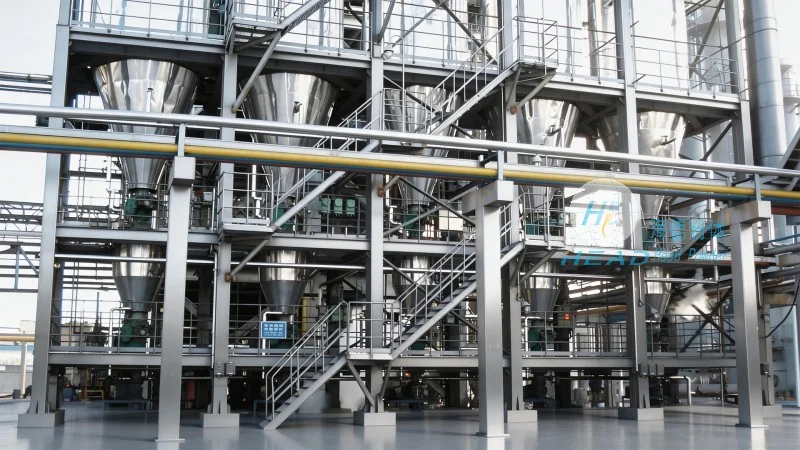
Secondly, flexibility and adaptability are key advantages. Pneumatic conveying systems can be easily integrated into existing production lines and can handle changes in material flow rates or pipeline configurations. They can transport nickel powder from multiple sources to a single destination or distribute it to several points, making them versatile for various industrial processes. The ability to adjust air pressure and velocity allows operators to optimize the conveying process based on the specific characteristics of the nickel powder being handled.
Thirdly, low maintenance and operational costs are significant benefits. Unlike mechanical conveying systems that involve moving parts like screws or belts, pneumatic systems have fewer components that can wear out or require frequent maintenance. The absence of moving parts reduces the risk of mechanical failure and lowers the overall operational costs over time. Additionally, the use of air as the conveying medium eliminates the need for additional equipment such as conveyors or elevators, simplifying the system design and reducing space requirements.
Fourthly, energy efficiency is another important feature. While pneumatic systems consume air, which is generally less expensive than electricity for mechanical systems, the overall energy consumption is often lower due to the reduced need for large motors or complex machinery. The ability to adjust the air flow rate to match the material's conveying requirements also helps in optimizing energy use, making the process more sustainable and cost-effective.
Application Ranges of Nickel Powder Pneumatic Conveying
Nickel powder pneumatic conveying systems are employed in a wide range of applications across different industries, leveraging their ability to handle nickel powder efficiently and safely. The following are some of the key application areas where these systems are commonly used:
1. Electronics Manufacturing: In the electronics industry, nickel powder is used in the production of batteries, catalysts, and other components. Pneumatic conveying systems are used to transport nickel powder from storage silos to processing equipment such as mixers, extruders, or sintering furnaces. The clean and enclosed nature of the system ensures that the nickel powder remains free from contaminants, which is critical for maintaining the performance and reliability of electronic devices.
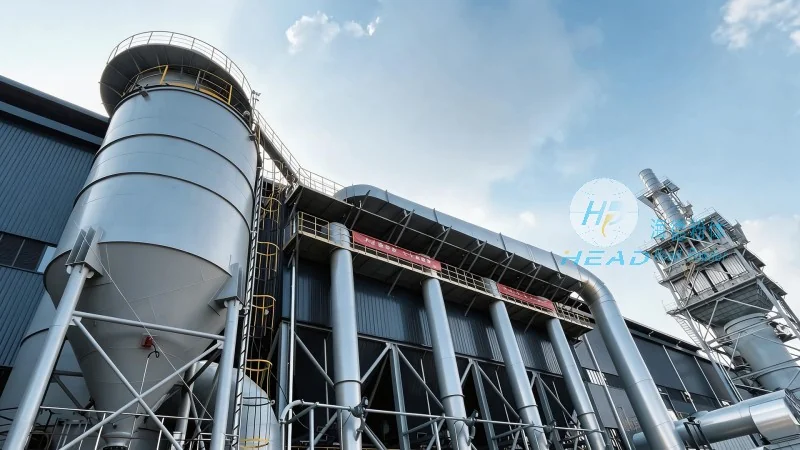
2. Aerospace and Automotive Industries: Nickel powder is used in the manufacturing of high-performance alloys for aerospace and automotive applications, such as turbine blades and engine components. Pneumatic conveying systems are employed to move nickel powder to casting and forging processes, where it is used to create durable and corrosion-resistant parts. The ability of dense-phase systems to handle abrasive and fine nickel powders makes them suitable for these demanding applications.
3. Chemical and Pharmaceutical Manufacturing: Nickel powder is used as a catalyst in various chemical reactions and in the production of pharmaceuticals. Pneumatic conveying systems are used to transport nickel powder to reactors and other processing equipment, ensuring that the material is delivered in a controlled and consistent manner. The low contamination risk and flexibility of pneumatic systems make them ideal for handling sensitive chemical and pharmaceutical powders.
4. Construction and Metalworking: In construction and metalworking industries, nickel powder is used for coating applications, such as electroplating and thermal spraying. Pneumatic conveying systems are used to transport nickel powder to coating equipment, where it is applied to metal surfaces to enhance their durability and corrosion resistance. The ability to handle large volumes of nickel powder efficiently and with minimal waste makes these systems valuable in these applications.
5. Research and Development: In research laboratories, nickel powder is used for experimental purposes and material testing. Pneumatic conveying systems are used to transport small quantities of nickel powder to lab equipment, ensuring that the material is handled with precision and accuracy. The clean and controlled environment of the system helps in maintaining the purity of the nickel powder for experimental work.
About Shandong HeadPowder Engineering Co., Ltd.
Shandong HeadPowder Engineering Co., Ltd., operating under the brand name headpowder, is a leading provider of pneumatic conveying solutions for nickel powder and other industrial powders. With a focus on innovation and quality, the company specializes in designing and manufacturing customized pneumatic conveying systems that meet the specific needs of its clients. Headpowder's expertise lies in understanding the unique properties of nickel powder and developing systems that ensure efficient, safe, and reliable transportation. The company's facilities are located in Shandong, China, where it leverages advanced technology and skilled personnel to deliver high-performance pneumatic conveying solutions to industries worldwide.




