What is Alumina Material Pneumatic Conveying? What Are the Design Principles?
Release time:2026-09-16 09:01:18
name of the company:Shandong Headpowder Engineering Co., Ltd.
telephone:156-6277-7102
contacts:Zhang manager
Alumina, a key industrial material widely used in refractory, ceramics, and other high-tech industries, often requires efficient and reliable material handling solutions. Pneumatic conveying is a technology that uses air or other gas to transport bulk materials like alumina powder or granules from one location to another. This method offers advantages such as dust-free operation, reduced material degradation, and the ability to handle materials in closed systems, making it a preferred choice for alumina processing facilities.
HeadPowder's Expertise in Alumina Pneumatic Conveying
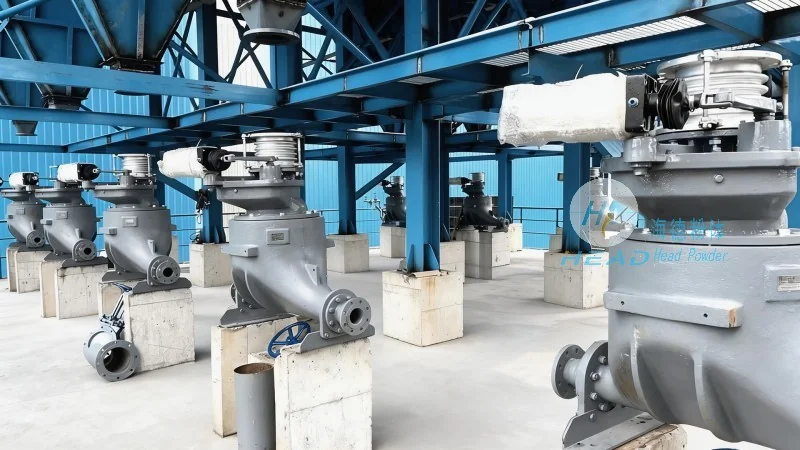
Shandong HeadPowder Engineering Co., Ltd., a leading provider of material handling solutions, specializes in designing and implementing pneumatic conveying systems tailored for alumina applications. With years of experience in the industry, HeadPowder combines technical expertise with practical knowledge to deliver systems that meet the specific demands of alumina processing, ensuring optimal performance and durability.
Key Design Principles for Alumina Pneumatic Conveying Systems
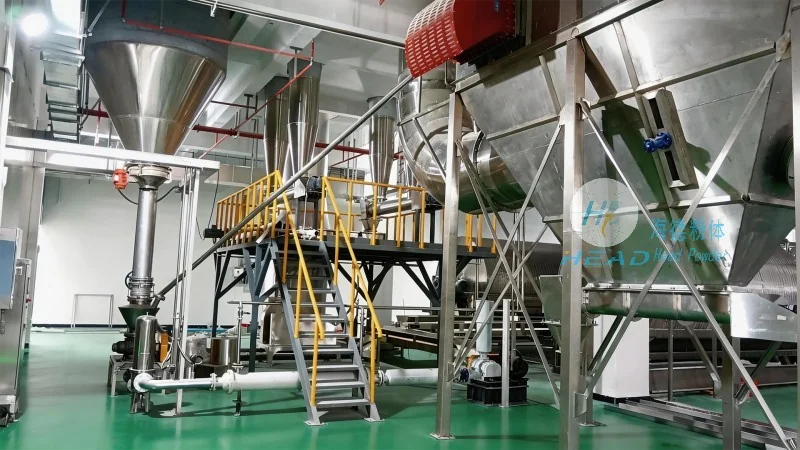
The design of an effective alumina pneumatic conveying system involves several critical principles that ensure efficient material transport and system longevity. These principles include:
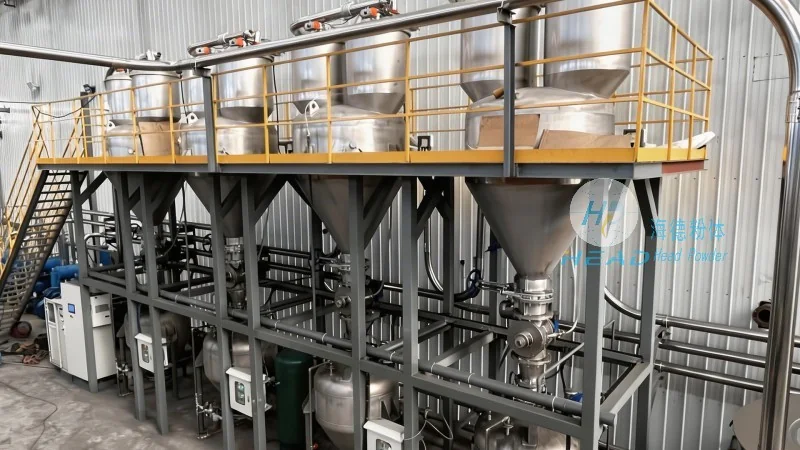
- System Sizing and Airflow Management: Proper sizing of the conveying line, including pipe diameter and length, is essential to maintain adequate airflow and prevent material blockages. HeadPowder engineers carefully calculate the required air velocity and pressure to ensure smooth material movement without excessive energy consumption.
- Material Properties Consideration: Alumina has specific characteristics, such as particle size distribution, density, and abrasiveness, which impact system design. HeadPowder considers these properties to select appropriate equipment, such as rotary valves, airlocks, and filters, that can handle alumina without causing wear or damage.
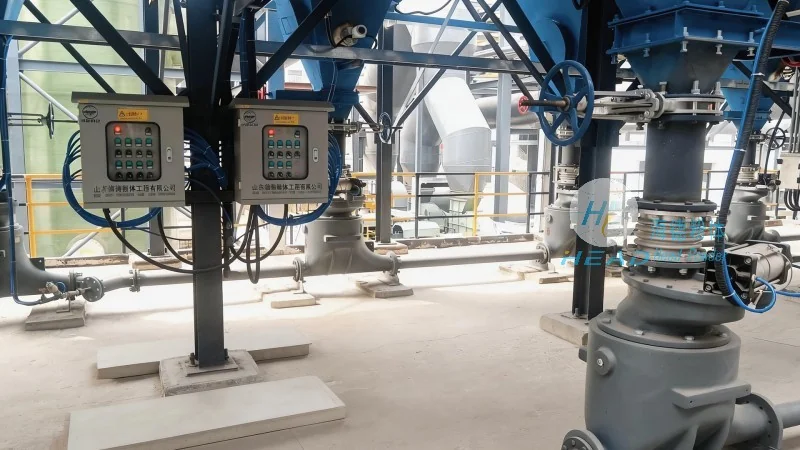
- System Integration and Control: Modern alumina pneumatic conveying systems often integrate with other process equipment, like storage silos, mixers, and packaging units. HeadPowder designs systems with robust control mechanisms to ensure seamless operation and minimal downtime. This includes automated controls for air pressure, material flow, and system monitoring.
- Environmental and Safety Compliance: Pneumatic conveying systems must adhere to environmental regulations and safety standards. HeadPowder ensures that their designs incorporate dust collection systems, explosion-proof components, and safety interlocks to protect both personnel and the environment.
Components of an Alumina Pneumatic Conveying System
An alumina pneumatic conveying system typically consists of several key components, each playing a vital role in the material transport process. These components include:
- Feeding Equipment: Rotary valves or star feeders are commonly used to feed alumina from storage silos into the conveying line. These devices ensure a consistent and controlled material flow, preventing blockages and maintaining system efficiency.
- Conveying Line: The main part of the system, the conveying line is usually made of stainless steel or other corrosion-resistant materials to withstand the abrasive nature of alumina. The line may include bends, elbows, and straight sections, all designed to minimize pressure drop and material degradation.
- Air Supply and Control: A blower or compressor provides the necessary air pressure to move the alumina particles. The air supply system includes filters and regulators to ensure clean, dry air, which is crucial for preventing system clogging and maintaining material quality.
- Discharge Equipment: At the receiving end, airlocks or rotary valves are used to discharge the alumina into the target container or process equipment. These components help separate the material from the air and prevent backflow or material loss.
- Dust Collection and Filtration: To maintain a clean and safe working environment, the system includes dust collection systems, such as cyclones or bag filters, to capture any airborne alumina particles. This not only improves air quality but also prevents material loss and contamination.
Benefits of Using Alumina Pneumatic Conveying Systems
Implementing a pneumatic conveying system for alumina offers numerous benefits that enhance operational efficiency and product quality. These benefits include:
- Improved Product Quality: By operating in a closed system, the system minimizes exposure to moisture, contaminants, and air, which can degrade the quality of alumina. This results in higher purity and consistency of the final product.
- Enhanced Safety: Closed systems reduce the risk of dust explosions and inhalation hazards, creating a safer working environment for personnel. Additionally, the system’s design minimizes manual handling of bulk materials, reducing the risk of accidents.
- Increased Efficiency: Pneumatic conveying systems can transport alumina over long distances and at high speeds, improving overall production throughput. The automated control features also reduce labor costs and minimize downtime.
- Reduced Maintenance: With fewer moving parts compared to mechanical conveying systems, pneumatic systems require less maintenance. HeadPowder’s designs incorporate durable components that are resistant to wear and corrosion, extending the system’s lifespan.
Conclusion
Alumina material pneumatic conveying is a sophisticated and efficient method for handling alumina in industrial applications. By adhering to key design principles and utilizing high-quality components, systems can deliver reliable performance and meet the demanding requirements of alumina processing. Shandong HeadPowder Engineering Co., Ltd. stands as a trusted partner in designing and implementing these systems, leveraging its expertise to provide tailored solutions that enhance operational efficiency and product quality for clients in the alumina industry.




