Sugar pneumatic conveying systems are essential in the sugar processing industry, offering efficient and reliable methods for transporting bulk sugar. These systems utilize air to move sugar from one location to another, eliminating the need for traditional mechanical conveyors and reducing the risk of contamination and product degradation. Understanding the different types, key features, and application ranges of sugar pneumatic conveying is crucial for selecting the most suitable system for specific operational needs.
Types of Sugar Pneumatic Conveying Systems
There are primarily two main categories of sugar pneumatic conveying systems: suction (or vacuum) systems and pressure systems. Each type has distinct characteristics and is suited for different operational scenarios.
1. Suction (Vacuum) Pneumatic Conveying Systems
Suction systems operate by creating a vacuum at the material pickup point, drawing sugar into the conveying line. This type of system is ideal for applications where the material needs to be transported from a lower elevation to a higher one or from a central storage to multiple processing points. The key advantages of suction systems include their ability to handle fine powders and granules without causing excessive pressure on the material, which helps maintain product quality. Additionally, suction systems are generally more flexible in terms of layout and can be easily integrated into existing processing facilities.
2. Pressure Pneumatic Conveying Systems
Pressure systems, on the other hand, use compressed air to push sugar through the conveying line. These systems are typically used for transporting sugar from a higher elevation to a lower one or for long-distance transport over significant vertical or horizontal distances. Pressure systems are capable of handling larger volumes and can maintain higher conveying speeds compared to suction systems. They are particularly effective in applications requiring high throughput and where the material is less sensitive to pressure changes.
Key Features of Sugar Pneumatic Conveying Systems
Regardless of the type, modern sugar pneumatic conveying systems share several key features that enhance their performance and reliability. These features include:
1. Material Handling Efficiency
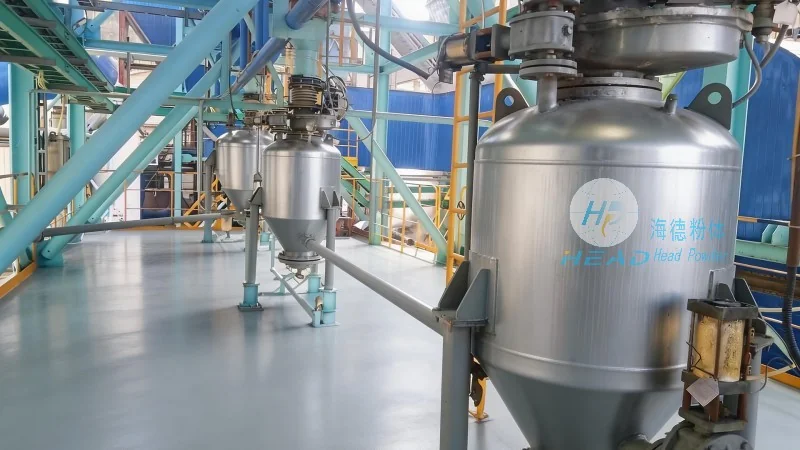
Efficient material handling is a core feature of these systems. They can transport sugar at high speeds with minimal product degradation, ensuring that the quality of the sugar remains consistent throughout the process. This is achieved through the use of specialized ductwork and air flow control mechanisms that minimize friction and impact on the sugar particles.
2. Hygienic Design
Hygiene is paramount in the food processing industry, and sugar pneumatic conveying systems are designed with this in mind. Components such as ducts, valves, and filters are constructed from materials that are easy to clean and sanitize, reducing the risk of bacterial growth and cross-contamination. This is particularly important for maintaining compliance with food safety regulations.
3. Energy Efficiency
Modern systems incorporate energy-saving technologies, such as variable frequency drives (VFDs) and optimized air flow management, to reduce operational costs. By adjusting the air pressure and flow rate according to the material load, these systems minimize energy consumption while maintaining optimal conveying performance.
4. Flexibility and Scalability
Sugar pneumatic conveying systems are highly flexible and can be easily adapted to changing production requirements. They can be configured for single or multiple material points, and their capacity can be scaled up or down as needed. This makes them suitable for both small-scale and large-scale sugar processing operations.
Application Ranges of Sugar Pneumatic Conveying Systems
Sugar pneumatic conveying systems find wide application in various stages of the sugar processing industry. The primary applications include:
1. Raw Sugar Handling and Storage
In the initial stages of sugar processing, raw sugar is often received in bulk and needs to be transferred from trucks or storage silos to processing equipment. Pneumatic conveying systems are ideal for this purpose, as they can efficiently transport large volumes of raw sugar without the need for manual handling or mechanical conveyors.
2. Refining and Processing
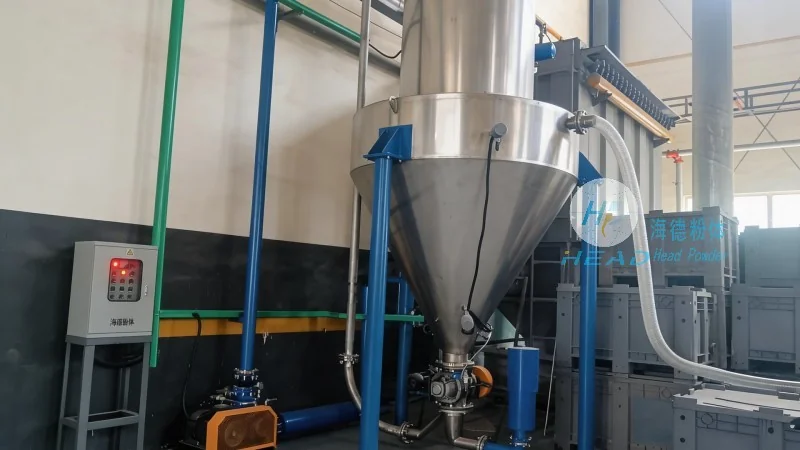
During the refining process, sugar is subjected to various operations such as grinding, screening, and filtration. Pneumatic conveying systems are used to transport the refined sugar from one processing stage to another, ensuring a smooth and continuous flow of material. This helps maintain the quality of the refined sugar and reduces downtime in the production line.
3. Packaging and Distribution
After refining, the sugar is typically packaged into bags or containers for distribution to consumers or other industries. Pneumatic conveying systems can be used to transport the finished sugar from the processing plant to the packaging area, ensuring that the product is handled hygienically and efficiently.
4. Waste Management
Sugar processing generates waste materials such as bagasse and other byproducts. Pneumatic conveying systems can be used to transport these waste materials to designated disposal or recycling facilities, helping to maintain a clean and organized processing environment.
Conclusion
Sugar pneumatic conveying systems offer significant advantages in terms of efficiency, hygiene, and flexibility, making them a preferred choice for modern sugar processing operations. By understanding the different types, key features, and application ranges of these systems, manufacturers can select the most suitable solution to meet their specific operational needs. As a leading provider of engineering solutions, Shandong HeadPowder Engineering Co., Ltd. specializes in designing and manufacturing customized sugar pneumatic conveying systems tailored to the unique requirements of each client.




