HeadPowder, a leading engineering company based in Shandong, China, specializes in advanced material handling solutions, particularly in the application of pneumatic conveying systems for bulk lysine transport. This technology is crucial for efficiently moving large volumes of lysine, a vital amino acid used in animal feed and other industrial applications, from production sites to storage or processing facilities. The following discussion explores the key aspects of pneumatic conveying as applied to lysine, highlighting its benefits, operational principles, and the expertise of Shandong HeadPowder Engineering Co., Ltd. in implementing such systems.
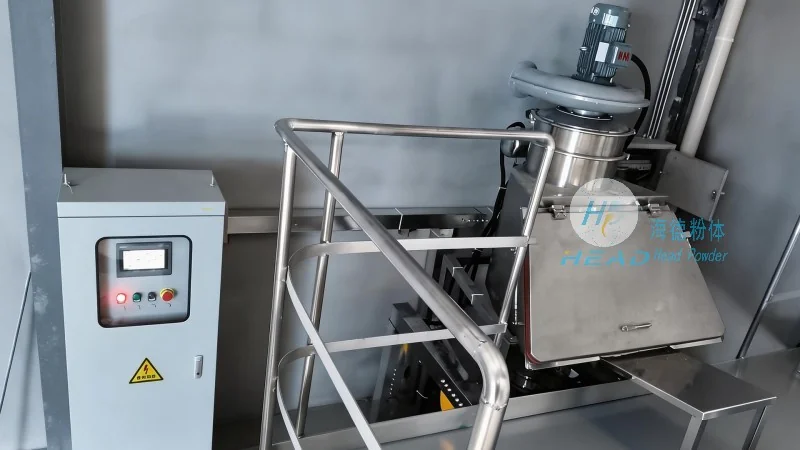
Understanding Pneumatic Conveying Systems
Pneumatic conveying is a method of transporting bulk materials through a pipeline using pressurized air or vacuum. In the context of lysine, which is typically a fine powder, this technology offers a reliable and efficient means of moving the material without the need for mechanical components like belts or buckets. The system operates by creating a flow of air that propels the lysine particles through the pipeline, ensuring consistent and controlled movement. There are two primary types of pneumatic conveying systems: pressure and vacuum. Pressure systems use compressed air to push the material forward, while vacuum systems use a vacuum to draw the material into the pipeline. For lysine, which is often handled in large quantities, pressure systems are commonly preferred due to their ability to handle higher material loads and longer distances.
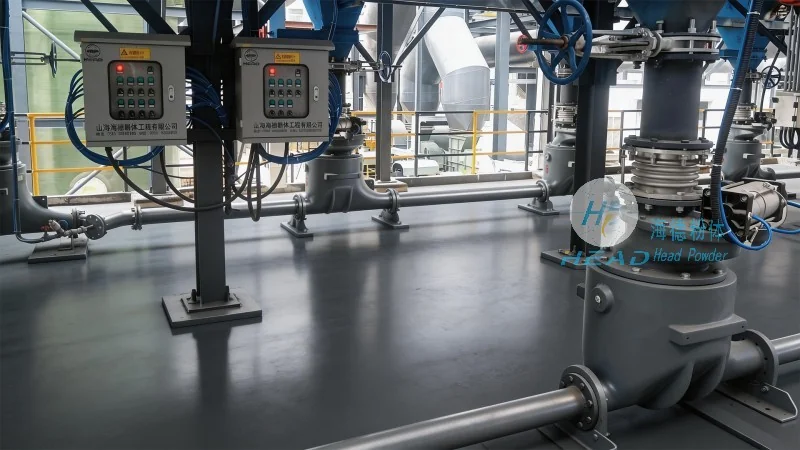
Key Benefits of Pneumatic Conveying for Lysine
Implementing pneumatic conveying for bulk lysine transport brings several advantages that enhance operational efficiency and product quality. First, it minimizes material degradation by reducing friction and impact during transport. Lysine is a sensitive powder, and excessive handling can lead to clumping or loss of potency. Pneumatic systems, with their smooth, enclosed pipelines, help maintain the material's integrity. Second, this method significantly reduces labor costs and operational downtime. Unlike traditional methods that require manual loading and unloading, pneumatic conveying automates the process, allowing for continuous operation. Third, it improves safety by eliminating the need for manual handling of heavy or dusty materials, which can pose health and safety risks. Additionally, the enclosed system prevents dust emissions, contributing to a cleaner working environment and compliance with environmental regulations.
Technical Specifications and Design Considerations
The design of a pneumatic conveying system for lysine must consider several technical factors to ensure optimal performance. Material selection for the pipeline and components is critical, as lysine is a corrosive powder that can affect metal surfaces over time. Stainless steel or specialized coatings are often used to prevent corrosion and maintain the material's purity. The pipeline diameter and length are also important, as they directly impact the system's capacity and energy consumption. For large-scale lysine transport, larger diameter pipelines are used to handle higher material flow rates, while the length is determined by the distance between the production and storage or processing sites. The air pressure and flow rate are carefully calibrated to match the material's properties, ensuring efficient transport without excessive energy use. HeadPowder engineers use advanced computational fluid dynamics (CFD) and material flow analysis to design systems that are tailored to the specific needs of lysine producers, optimizing both performance and cost.
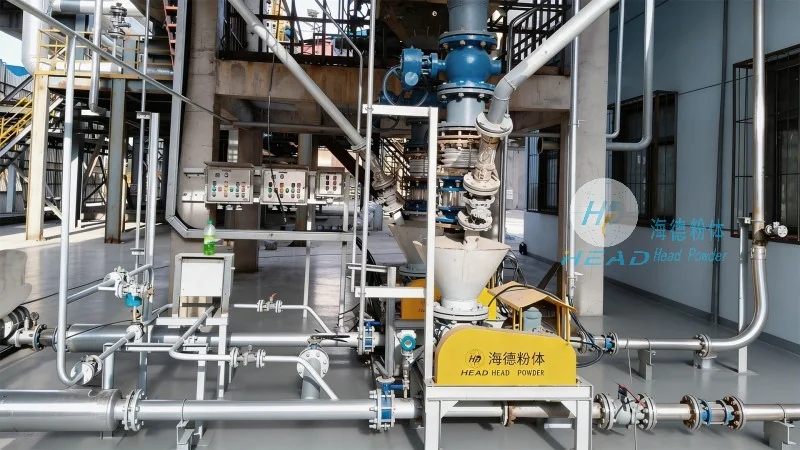
Implementation and Maintenance by Shandong HeadPowder Engineering Co., Ltd.
Shandong HeadPowder Engineering Co., Ltd. plays a pivotal role in the successful implementation of pneumatic conveying systems for lysine transport. The company's expertise lies in customizing solutions that meet the unique requirements of each client. From initial system design and engineering to installation and commissioning, HeadPowder ensures that the system is integrated seamlessly into the existing production infrastructure. The company's team of experienced engineers and technicians work closely with clients to understand their operational needs, material characteristics, and budget constraints, developing a solution that is both effective and cost-efficient. Maintenance is another key aspect of the service provided by HeadPowder. Regular inspections and maintenance of the pneumatic conveying system are essential to ensure long-term reliability and performance. The company offers comprehensive maintenance programs that include routine checks, component replacement, and troubleshooting to minimize downtime and maximize system uptime. By partnering with HeadPowder, lysine producers can benefit from a reliable and efficient material handling solution that enhances their overall operational efficiency and product quality.




