When it comes to transporting alumina powder efficiently and safely, pneumatic conveying systems offer a reliable solution. These systems are essential in various industrial applications where the handling of fine powders like alumina requires precision and control. The choice of the right pneumatic conveying system depends on several factors including the material properties, the distance of transport, and the required flow rate. Understanding the different types and their practical applications is crucial for optimizing operations and ensuring consistent performance.
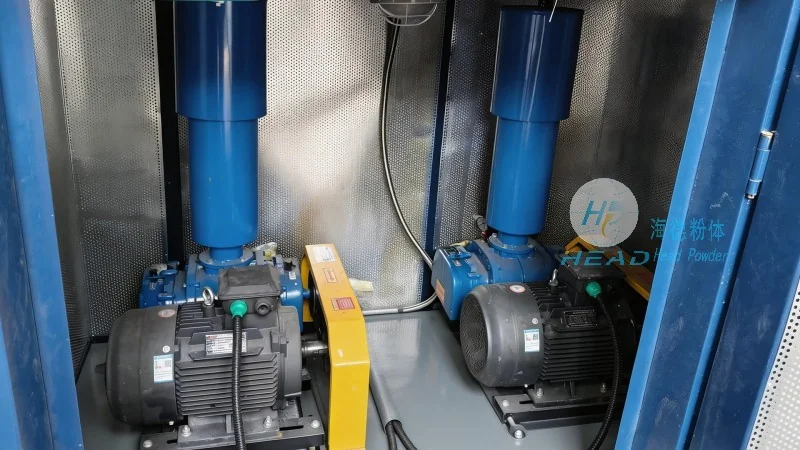
Types of Pneumatic Conveying Systems
There are primarily two main categories of pneumatic conveying systems: pressure and vacuum systems. Each type has its own advantages and is suitable for different scenarios.
Pressure systems operate by forcing air or gas through the material, creating a positive pressure that moves the powder. These systems are typically used for long-distance or high-volume transport where the material needs to be moved over significant distances. They are also effective for handling abrasive or corrosive materials as they can be designed with robust components to withstand the pressure and material characteristics.
Vacuum systems, on the other hand, create a negative pressure to draw the material into the system. This type is often used for shorter distances or when the material needs to be collected from multiple points. Vacuum systems are particularly useful in applications where the material is to be transferred from a container or a hopper, as they can efficiently draw the powder into the pipeline.
Practical Applications in Alumina Powder Handling
Alumina powder, commonly used in the production of ceramics, refractory materials, and as a raw material in the aluminum industry, requires specialized handling due to its fine particle size and potential for dust generation. Pneumatic conveying systems are widely adopted in alumina processing plants for several key applications.
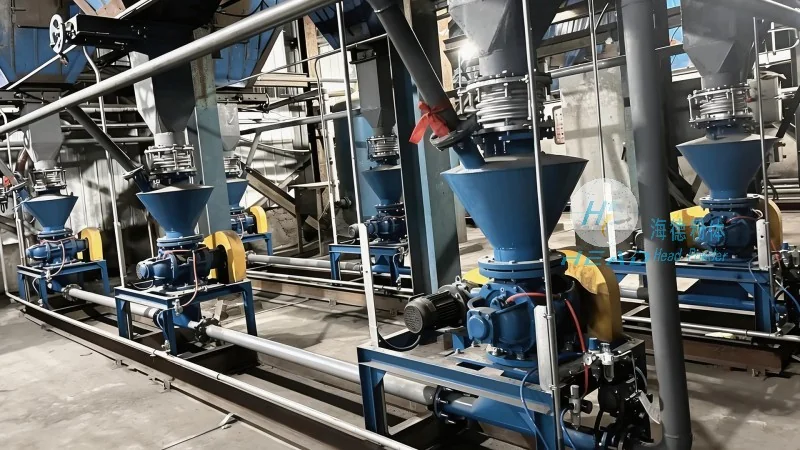
One of the primary applications is the transfer of alumina from storage silos or hoppers to processing equipment such as mixers, kilns, or reactors. The ability to move the powder without manual handling reduces the risk of contamination and improves operational efficiency. For instance, in ceramic manufacturing, the consistent supply of alumina powder to the mixing stage is critical for achieving uniform product quality.
Another important application is the transport of alumina between different processing stages within a plant. This includes moving the powder from grinding units to classification equipment, or from the reaction vessel to storage tanks. Pneumatic conveying systems ensure that the material is transferred without segregation or loss, maintaining the integrity of the product.
In addition to internal plant transfers, pneumatic conveying is also used for the loading and unloading of alumina from bulk containers or trucks. This process is often integrated with storage facilities, allowing for seamless material flow from receipt to processing. The efficiency of these systems helps in reducing downtime and improving overall plant throughput.
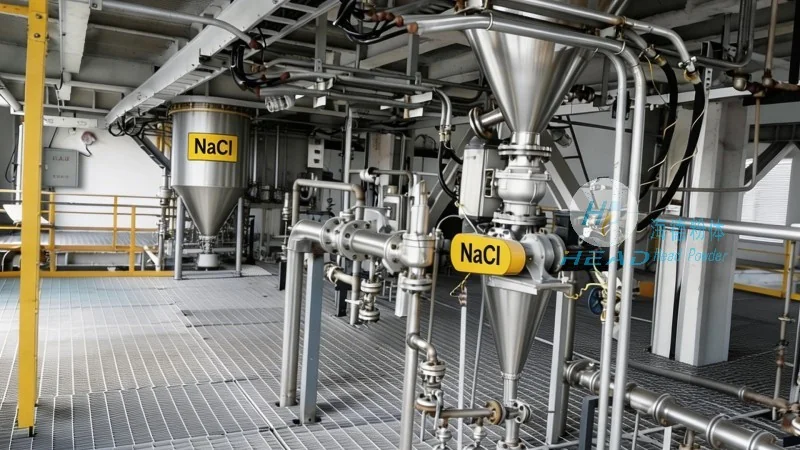
Key Considerations for System Selection
When selecting a pneumatic conveying system for alumina powder handling, several factors must be considered to ensure optimal performance and longevity. Material properties, such as particle size, density, and flowability, are critical. Alumina powders can vary in these characteristics, and the system design must accommodate these variations to prevent blockages or uneven flow.
The distance and layout of the transport route also play a significant role. For long-distance transport, pressure systems are generally more suitable due to their ability to maintain pressure over extended lengths. For shorter, more complex routes with multiple pick-up points, vacuum systems may be more appropriate.
System maintenance and operational costs are also important considerations. Pneumatic conveying systems require regular maintenance to ensure smooth operation and to prevent wear and tear. The choice of materials for the system components, such as the pipeline and valves, should be compatible with alumina to avoid corrosion or material buildup.
Conclusion
Pneumatic conveying systems are a vital component in the efficient handling of alumina powder. By understanding the different types and their practical applications, industrial facilities can select the most suitable system for their specific needs. The proper implementation of these systems not only enhances operational efficiency but also ensures safety and product quality. As a leading provider in this field, Shandong HeadPowder Engineering Co., Ltd. offers tailored solutions that meet the unique requirements of alumina powder handling, ensuring reliable and effective material transport in various industrial applications.




