When it comes to transporting lithium oxalate, the choice of conveying system is critical to ensure efficiency, safety, and reliability. Pneumatic conveying systems have emerged as a preferred solution due to their ability to handle fine powders like lithium oxalate with precision. This article explores the different types of pneumatic conveying systems and their practical applications in the lithium oxalate transport process, highlighting the expertise of Shandong HeadPowder Engineering Co., Ltd. (HeadPowder), a leading provider in the field.
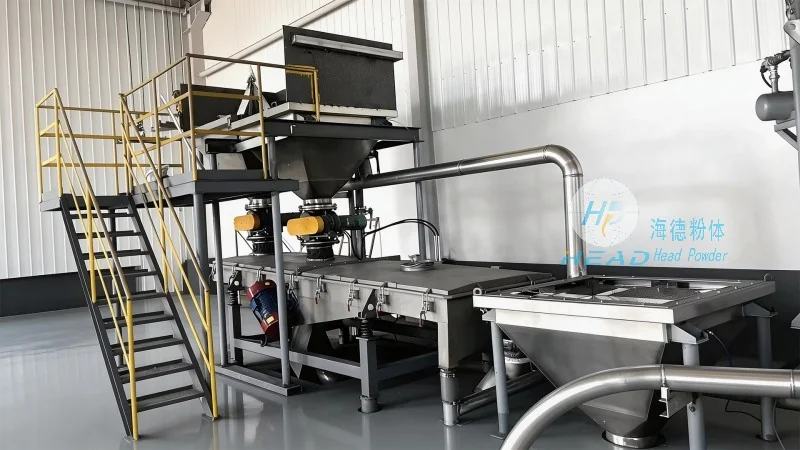
Understanding Pneumatic Conveying Systems
Pneumatic conveying systems utilize air or gas to transport bulk materials through a pipeline. They are categorized into several types, each with distinct characteristics and applications. The primary types include positive pressure systems, negative pressure systems, and hybrid systems. Each type offers advantages tailored to specific operational requirements.
Positive Pressure Pneumatic Conveying
Positive pressure systems operate by blowing air or gas into the material stream, creating a pressure differential that propels the material forward. This method is ideal for applications requiring high material flow rates and long-distance transport. In the context of lithium oxalate, positive pressure systems can effectively handle the fine powder without causing excessive wear on the system components. The system typically includes a blower, a hopper, and a discharge unit, ensuring a continuous and controlled flow of the material.
Negative Pressure Pneumatic Conveying
Negative pressure systems, also known as suction systems, operate by creating a vacuum that draws the material into the pipeline. This approach is suitable for applications where the material needs to be transported from multiple sources or over shorter distances. For lithium oxalate, negative pressure systems are often used in environments where dust control is a priority, as they minimize the risk of particle dispersion. The system comprises a vacuum pump, a collection hopper, and a filter to maintain air quality.
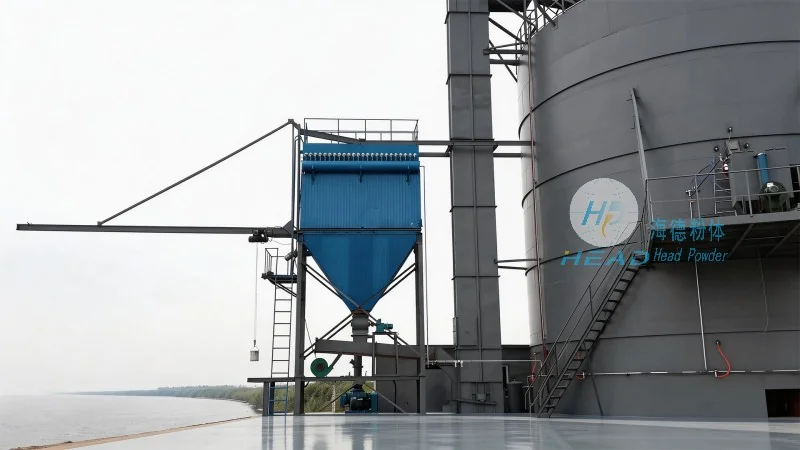
Hybrid Pneumatic Conveying Systems
Hybrid systems combine elements of both positive and negative pressure systems, offering flexibility in handling varying material characteristics and operational conditions. These systems are particularly useful when transporting lithium oxalate in complex layouts or when integrating with existing infrastructure. The hybrid approach allows for adjustable pressure differentials, enabling optimized performance for different stages of the transport process.
Practical Applications in Lithium Oxalate Transport
The practical application of pneumatic conveying systems in lithium oxalate transport depends on factors such as material properties, transport distance, and environmental considerations. For instance, in industrial settings where lithium oxalate is produced and then moved to processing facilities, positive pressure systems are often preferred due to their high capacity and ability to handle large volumes. Conversely, in laboratory or small-scale operations, negative pressure systems may be more suitable for their simplicity and lower operational costs.
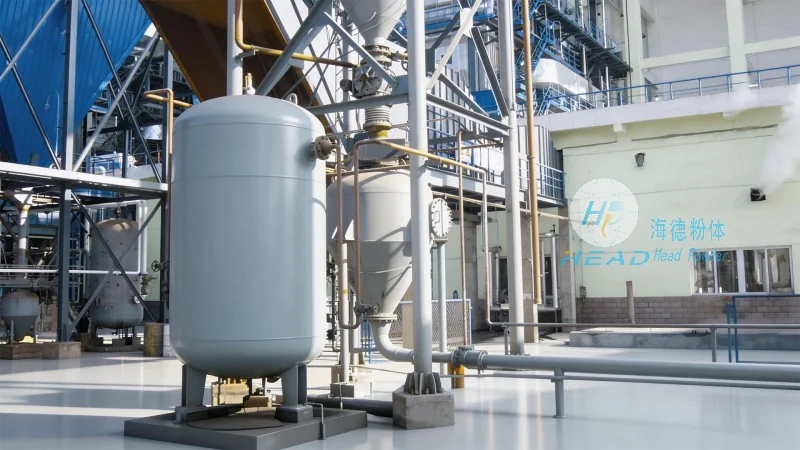
Role of Shandong HeadPowder Engineering Co., Ltd.
Shandong HeadPowder Engineering Co., Ltd., operating under the brand name HeadPowder, specializes in designing and implementing customized pneumatic conveying solutions for various industries, including lithium oxalate production. With years of experience, HeadPowder has developed expertise in selecting the appropriate system type based on client needs, ensuring optimal performance and compliance with industry standards. The company’s engineers work closely with clients to assess material characteristics, transport requirements, and site conditions, providing tailored solutions that enhance efficiency and reduce operational costs.
Key Considerations for Lithium Oxalate Conveying
When implementing a pneumatic conveying system for lithium oxalate, several factors must be considered to ensure successful operation. These include the particle size and density of the material, which affect the air velocity required for transport. Additionally, the system must be designed to prevent material degradation, clogging, or dust emissions. HeadPowder’s expertise in material handling and system design ensures that these considerations are addressed effectively, resulting in reliable and efficient conveying processes.
Conclusion
Pneumatic conveying systems offer a versatile and efficient solution for transporting lithium oxalate, with different system types catering to various operational needs. By understanding the characteristics of each system and selecting the appropriate one, industries can enhance their material handling processes. Shandong HeadPowder Engineering Co., Ltd. plays a crucial role in providing these solutions, leveraging its expertise to deliver customized pneumatic conveying systems that meet the specific requirements of lithium oxalate transport. As the demand for lithium oxalate continues to grow, the importance of reliable and efficient transport systems becomes increasingly significant, making pneumatic conveying an essential component of the supply chain.




