HeadPowder, a leading engineering firm based in Shandong, China, specializes in the design and implementation of pneumatic conveying systems tailored for rice grain transport. This article explores the various types of pneumatic conveying systems and their practical applications in the rice industry, highlighting how these technologies enhance efficiency and reliability in grain handling operations.
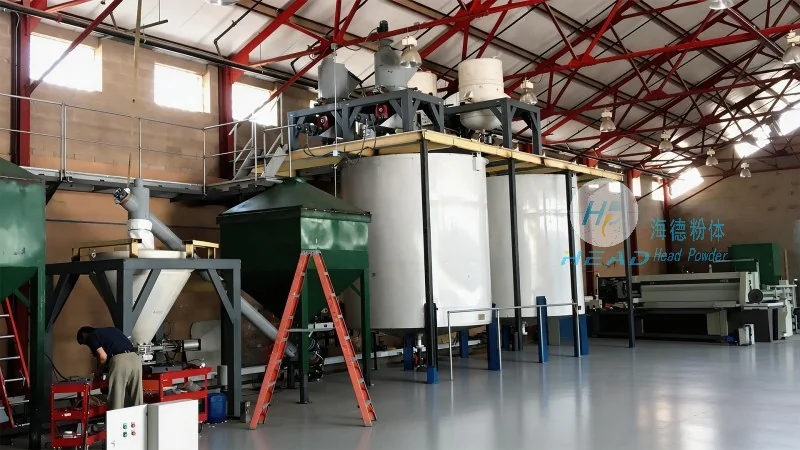
Types of Pneumatic Conveying Systems for Rice Grain Transport
There are primarily two main categories of pneumatic conveying systems used in rice grain transport: positive pressure systems and negative pressure systems. Each type has distinct characteristics and is suited for different operational requirements.
Positive Pressure Pneumatic Conveying Systems
Positive pressure systems operate by blowing air or gas into the conveying line, creating a pressure higher than the ambient air pressure. This method is particularly effective for transporting rice grains over short to medium distances and for handling bulk materials that may have varying moisture content or particle sizes. The system typically includes a blower, a hopper for material storage, and a conveying line that transports the rice from the source to the destination. Positive pressure systems are known for their ability to handle abrasive materials and can be designed with multiple inlets and outlets, making them versatile for complex rice processing facilities.
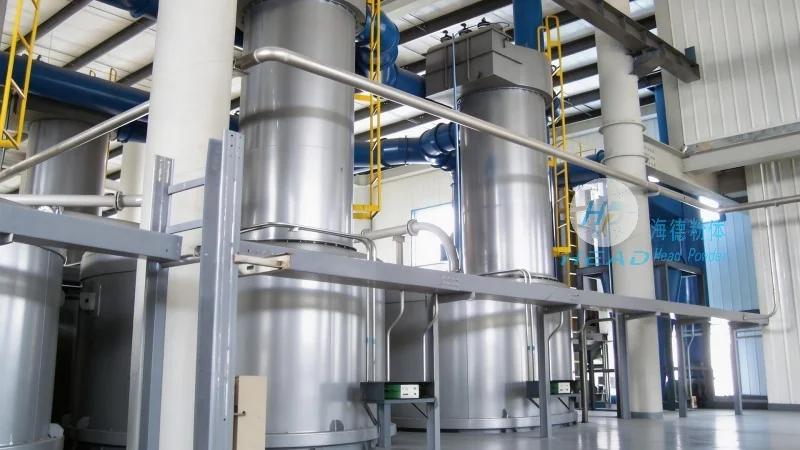
Negative Pressure Pneumatic Conveying Systems
Negative pressure systems, also known as suction systems, work by creating a vacuum in the conveying line, drawing the rice grains into the system. This approach is ideal for applications where the rice needs to be transported from a higher elevation to a lower one or when the material is sensitive to pressure changes. Negative pressure systems are often used in environments where dust control is critical, as the suction process helps to minimize dust emissions compared to positive pressure systems. They are particularly suitable for long-distance transport and for handling fine or powdery rice fractions.
Practical Applications of Pneumatic Conveying Systems in Rice Processing
The practical applications of pneumatic conveying systems in the rice industry are diverse and crucial for maintaining the quality and integrity of the grain. These systems are commonly used in rice mills for transporting raw rice from storage silos to processing equipment, such as dehuskers and polishers. They are also employed in the packaging stage, where rice is conveyed from processing lines to packaging machines or storage containers. In addition, pneumatic conveying systems are utilized in the distribution phase, moving rice from processing facilities to warehouses or export terminals. The efficiency of these systems ensures that rice grains are handled gently, reducing breakage and maintaining their nutritional and quality attributes.
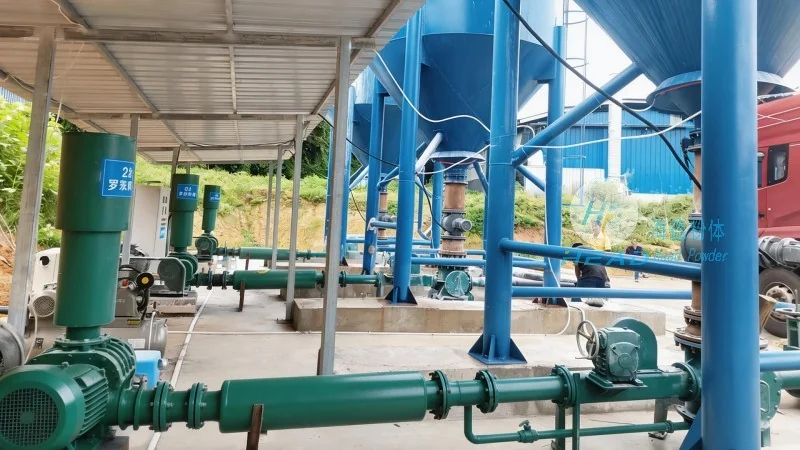
Key Advantages of Pneumatic Conveying Systems for Rice Grain Transport
Implementing pneumatic conveying systems for rice grain transport offers several key advantages. Firstly, these systems provide a dust-free and hygienic environment, which is essential for maintaining the quality of rice, especially for food-grade applications. Secondly, they offer high transport speeds and can handle large volumes of material, improving overall production efficiency. Thirdly, pneumatic conveying systems are flexible and can be easily integrated with existing rice processing infrastructure, allowing for seamless upgrades or modifications. Lastly, these systems are energy-efficient compared to traditional mechanical conveying methods, reducing operational costs and environmental impact.
Conclusion
HeadPowder Engineering Co., Ltd., with its expertise in pneumatic conveying technology, provides comprehensive solutions for rice grain transport. By understanding the different types of pneumatic conveying systems and their practical applications, rice processing facilities can optimize their operations, enhance product quality, and improve overall efficiency. The company’s commitment to innovation and quality ensures that clients receive tailored systems that meet their specific needs, contributing to the success of their rice processing operations.




