Pneumatic conveying is a widely used technique in material handling, particularly for transporting powders and granules like calcite. This method involves moving particles through a pipeline using a gas stream, typically air or other gases. The two primary types of pneumatic conveying systems are positive pressure and negative pressure, each with distinct operational principles and applications. Understanding the differences between these two approaches is crucial for selecting the most suitable method for specific material handling tasks, especially when dealing with calcite, a common industrial mineral used in various industries such as construction, pharmaceuticals, and chemical manufacturing.
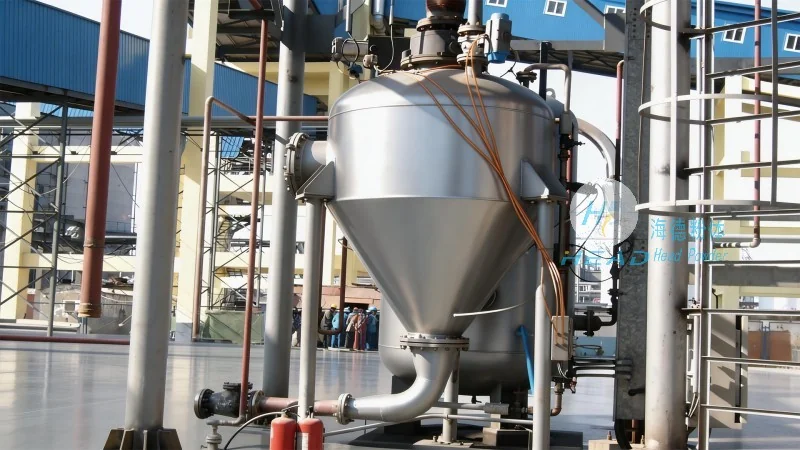
Positive Pressure Conveying: How It Works
Positive pressure conveying, also known as pressure pneumatic conveying, operates by generating a higher pressure inside the conveying line compared to the ambient environment. In this system, a blower or compressor supplies compressed air to the material feed point, where the calcite is introduced. The air then carries the particles through the pipeline to the discharge point. This method is often preferred for long-distance or high-capacity conveying, as it can maintain a consistent flow rate and handle a wide range of particle sizes and densities. The positive pressure system typically requires a closed pipeline to prevent air leakage and maintain the pressure differential. The equipment used in positive pressure conveying includes a feed hopper, a rotary valve, a blower, and a receiver. The blower provides the necessary pressure to move the material, and the rotary valve controls the flow of calcite into the pipeline. The receiver at the end of the line collects the conveyed material and may include a dust collection system to ensure environmental compliance.
Negative Pressure Conveying: Operational Principles
Negative pressure conveying, or vacuum pneumatic conveying, works by creating a lower pressure inside the conveying line than the surrounding atmosphere. This is achieved using a vacuum pump or a fan that draws air and material from the feed point and transports them through the pipeline to the receiver. The system operates by creating a suction effect that pulls the calcite particles into the pipeline. Negative pressure conveying is often used for shorter distances or when the material needs to be transported from a higher elevation to a lower one. It is particularly suitable for applications where the material is sensitive to high pressure or where the pipeline layout is complex, such as in confined spaces or when multiple feed points are involved. The key components of a negative pressure system include a vacuum pump, a feed hopper with a rotary valve, a filter or cyclone to separate the material from the air, and a receiver. The vacuum pump creates the suction force, and the filter removes the calcite particles from the air stream, allowing the clean air to be recirculated or vented. The receiver collects the material and may include a dust collection system to prevent particulate emissions.
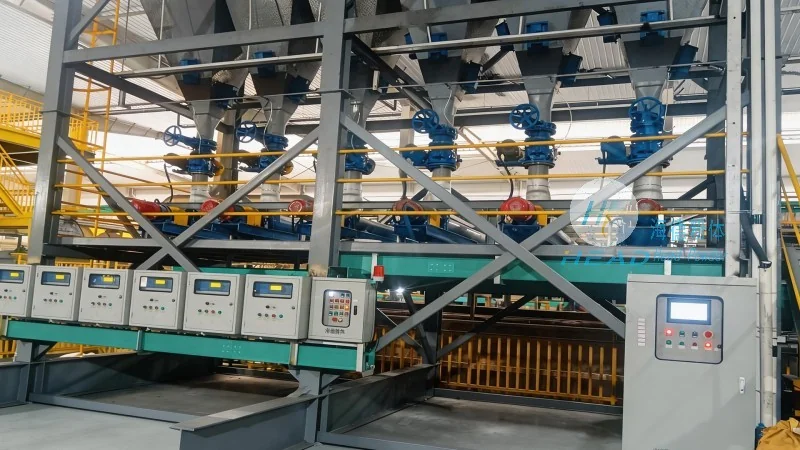
Comparative Analysis: Positive vs. Negative Pressure Conveying for Calcite
When comparing positive and negative pressure conveying for calcite, several factors come into play, including operational efficiency, material characteristics, system complexity, and cost. Positive pressure systems generally offer higher conveying capacities and are more suitable for long-distance transport, as they can maintain a consistent flow rate and handle larger particle sizes. They are also less prone to material degradation due to the higher pressure environment, which can be beneficial for calcite, which may be sensitive to friction or abrasion. However, positive pressure systems require more robust equipment, such as high-pressure blowers, and may need additional safety measures to prevent pressure-related hazards. The closed pipeline design also makes it more challenging to inspect or maintain the system, potentially increasing downtime.
Negative pressure conveying, on the other hand, is more suitable for shorter distances and when the material needs to be transported from a higher to a lower elevation. It is generally less expensive to install and operate, as it requires a vacuum pump rather than a high-pressure blower. The system is also more flexible in terms of pipeline layout, as it can handle multiple feed points and complex routing. However, negative pressure systems have lower conveying capacities and may be less efficient for long-distance transport. They are also more susceptible to material degradation due to the lower pressure environment, which can increase the risk of dust formation and air pollution. The vacuum pump and filter system in a negative pressure system also require regular maintenance to ensure optimal performance.
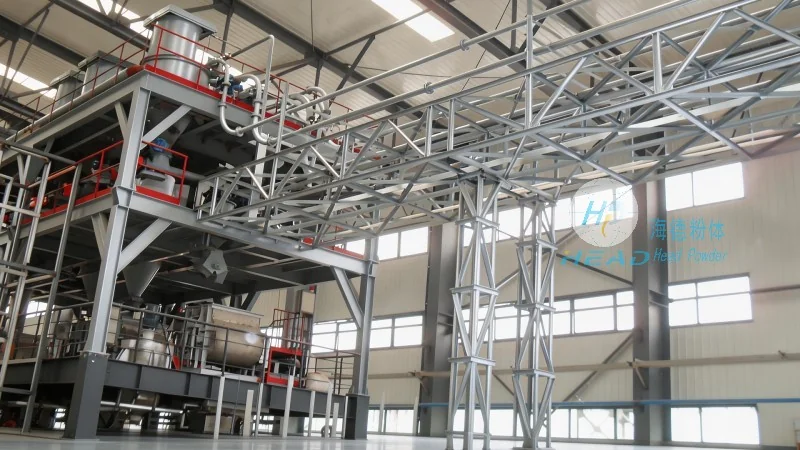
Factors Influencing the Choice of Conveying Method
The choice between positive and negative pressure conveying for calcite depends on several factors, including the distance between the feed and discharge points, the required conveying capacity, the particle size and density of the calcite, and the layout of the facility. For example, if the calcite needs to be transported over a long distance, such as from a mine to a processing plant, a positive pressure system may be more appropriate due to its higher capacity and efficiency. Conversely, if the material is being transported from a silo to a nearby processing unit over a short distance, a negative pressure system may be sufficient and more cost-effective. The particle size of the calcite is also a critical factor, as larger particles may require higher pressure to maintain flow in a positive pressure system, while smaller particles may be more easily handled by a negative pressure system due to the suction effect. Additionally, the density of the calcite affects the conveying velocity required, with denser materials needing higher air velocities to achieve the desired flow rate.
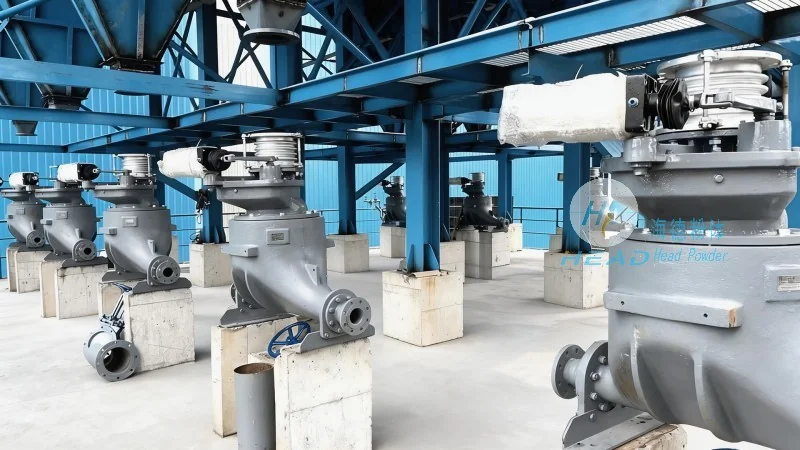
Case Study: Application of Positive and Negative Pressure Conveying by Shandong HeadPowder Engineering Co., Ltd.
Shandong HeadPowder Engineering Co., Ltd., a leading provider of material handling solutions, has extensive experience in designing and implementing both positive and negative pressure conveying systems for calcite and other industrial minerals. The company's expertise lies in understanding the unique properties of calcite, such as its particle size distribution, moisture content, and flow characteristics, and tailoring the conveying system to meet the specific requirements of each client. For instance, a client in the construction industry required a positive pressure system to transport calcite from a storage silo to a batching plant over a distance of 500 meters. The HeadPowder team designed a system with a high-capacity blower, a rotary valve, and a receiver equipped with a dust collection system. The system successfully maintained a consistent flow rate of 10 tons per hour, ensuring reliable material supply to the batching process. Another client in the pharmaceutical industry needed a negative pressure system to transport calcite from a laboratory silo to a processing unit over a short distance of 50 meters. The HeadPowder team installed a vacuum pump and a filter system to ensure the material was conveyed without generating excessive dust. The system was designed to handle the sensitive nature of calcite, minimizing particle degradation and ensuring compliance with environmental regulations. These case studies illustrate the versatility of both positive and negative pressure conveying systems and the importance of selecting the appropriate method based on the specific application and material characteristics.
Conclusion: Selecting the Right Pneumatic Conveying System for Calcite
Both positive and negative pressure pneumatic conveying systems offer viable solutions for transporting calcite, with each method having its own advantages and limitations. Positive pressure conveying is generally more suitable for long-distance, high-capacity applications, while negative pressure conveying is better suited for shorter distances and complex layouts. The choice of system depends on factors such as the distance, required capacity, particle size, and density of the calcite, as well as the operational and cost considerations of the facility. By understanding the operational principles and comparative analysis of these two methods, industrial facilities can select the most appropriate pneumatic conveying system to ensure efficient, reliable, and cost-effective material handling. Shandong HeadPowder Engineering Co., Ltd. continues to provide expert guidance and customized solutions to help clients optimize their calcite conveying processes, leveraging the benefits of both positive and negative pressure systems to meet their specific needs.




