Perlite, a lightweight, porous volcanic glass, is widely used in construction, horticulture, and industrial applications due to its thermal insulation properties and lightweight characteristics. Efficient and reliable transport of perlite is crucial for maintaining product quality and operational efficiency in processing facilities. Pneumatic conveying systems have emerged as a key technology for handling perlite, offering advantages over traditional methods such as belt conveyors or bucket elevators.
Introduction to Pneumatic Conveying in Perlite Handling
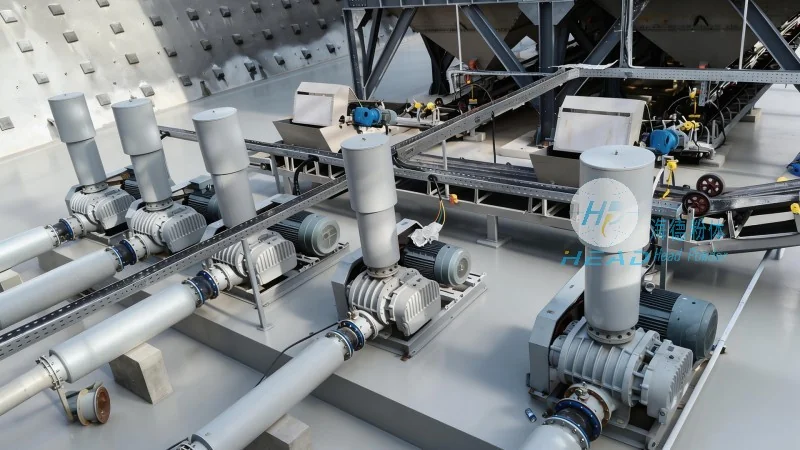
Pneumatic conveying, or air-based transport, involves the movement of bulk materials like perlite using a stream of air. This method is particularly effective for fine or powdery materials that are prone to dusting or caking. The technology utilizes pressure or vacuum to transport the material through a pipeline system, ensuring minimal product degradation and reduced labor costs compared to manual handling. For companies dealing with perlite, implementing an optimized pneumatic conveying system can significantly enhance production throughput and product integrity.
HeadPowder Engineering: Expertise in Pneumatic Conveying Solutions
Shandong HeadPowder Engineering Co., Ltd., a leading provider of engineering solutions for bulk material handling, specializes in designing and manufacturing pneumatic conveying systems tailored to the unique needs of perlite processing. With years of experience in the industry, HeadPowder has developed a comprehensive range of equipment that addresses the challenges associated with perlite transport, including material flow control, dust suppression, and system integration. The company's commitment to quality and innovation has made it a trusted partner for businesses seeking reliable and efficient perlite handling solutions.
Key Advantages of Pneumatic Conveying for Perlite
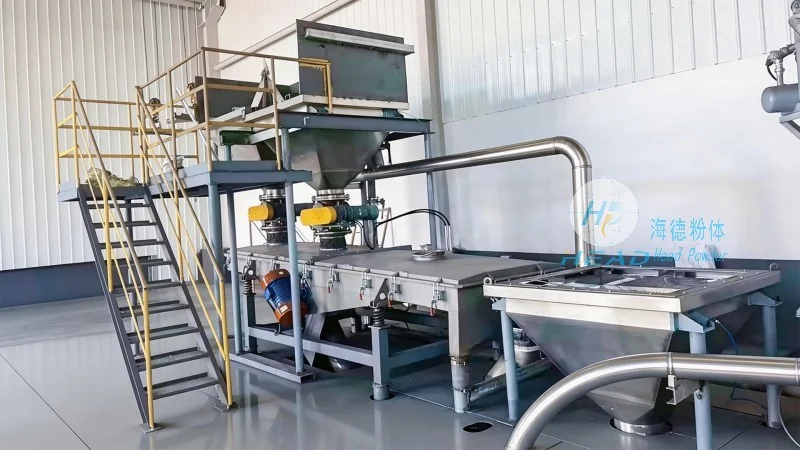
One of the primary benefits of pneumatic conveying in perlite transport is the ability to handle the material in a closed system, which minimizes dust exposure and environmental contamination. This is especially important in industries where air quality regulations are stringent. Additionally, pneumatic systems offer high throughput rates, allowing for continuous operation and reduced downtime. The technology also enables precise control over material flow, ensuring consistent product quality and preventing overloading or underloading of processing equipment. For perlite, which is often used in applications requiring uniform particle size and low moisture content, these advantages are critical to maintaining product specifications.
Technical Considerations for Optimal Perlite Conveying
Implementing an effective pneumatic conveying system for perlite requires careful consideration of several technical factors. The choice of conveying method—positive pressure, negative pressure, or a combination—depends on the distance, elevation change, and material characteristics. For perlite, which is a fine powder with low bulk density, positive pressure systems are often preferred as they provide better control and prevent material degradation. The design of the pipeline system, including pipe diameter, material of construction, and the use of bends and fittings, is also critical to maintaining flow efficiency and preventing blockages. HeadPowder Engineering employs advanced computational fluid dynamics (CFD) and material testing to optimize system design, ensuring that the conveying system operates at peak efficiency with minimal energy consumption.
Applications and Case Studies
Pneumatic conveying systems are used in various stages of perlite processing, from raw material handling to final product packaging. In construction applications, perlite is often mixed with other materials to create lightweight concrete or insulation boards. The ability to transport perlite efficiently to mixing plants or production lines is essential for meeting production schedules. In horticulture, perlite is used as a soil amendment to improve drainage and aeration. Pneumatic systems allow for the precise delivery of perlite to greenhouse operations, ensuring uniform distribution across growing beds. HeadPowder has successfully implemented pneumatic conveying solutions for numerous clients, including a major perlite producer in Shandong, China, who reported a 30% increase in production throughput and a 20% reduction in operational costs after upgrading to a modern pneumatic system.
Future Trends and Innovations in Perlite Conveying
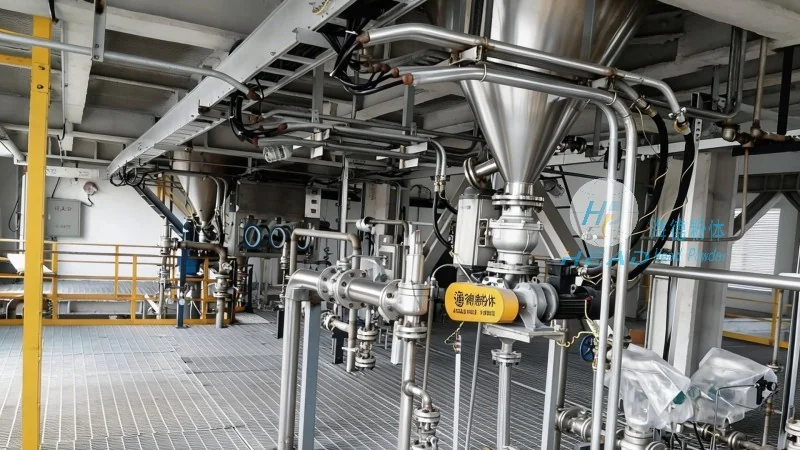
As the demand for perlite continues to grow, the industry is exploring new technologies to further enhance the efficiency and sustainability of pneumatic conveying systems. One emerging trend is the integration of automation and IoT (Internet of Things) sensors to monitor system performance in real-time. These sensors can detect changes in pressure, flow rate, or material density, allowing for immediate adjustments to maintain optimal operation. Another innovation is the use of advanced materials for pipeline construction, such as corrosion-resistant alloys, which extend the lifespan of the system and reduce maintenance costs. HeadPowder Engineering is at the forefront of these developments, continuously researching and developing new solutions to meet the evolving needs of the perlite industry.
Conclusion: The Importance of Reliable Pneumatic Conveying
In conclusion, pneumatic conveying plays a vital role in the efficient and sustainable transport of perlite. By leveraging the expertise of companies like Shandong HeadPowder Engineering Co., Ltd., businesses can implement advanced pneumatic systems that enhance product quality, reduce operational costs, and improve overall process efficiency. As the industry continues to evolve, the importance of reliable and efficient material handling solutions will only increase, making pneumatic conveying an essential technology for the future of perlite processing.




