Dry dust collection systems are sophisticated industrial solutions engineered to capture and remove airborne particulate matter from a process or environment without the use of water. These systems are indispensable in modern industrial operations, where maintaining air quality, adhering to environmental regulations, and protecting personnel and equipment from dust-related hazards are paramount. The fundamental purpose of a dry dust collection system is to separate particulate contaminants from the air stream through mechanical or electrostatic means, ensuring that the cleaned air can be discharged or recirculated back into the workspace. They are widely employed across diverse sectors, including manufacturing (e.g., metalworking, woodworking), construction (e.g., sanding, cutting), and pharmaceuticals (e.g., cleanroom operations), where dust control is critical to product quality and safety.
Key Design Principles Underpinning Dry Dust Collection Systems
The design of a dry dust collection system is governed by several critical principles that dictate its performance and efficiency. The first principle is the selection of an appropriate dust separation technology, which is tailored to the characteristics of the dust being handled—such as particle size, density, and moisture content. For instance, cyclonic separation, which relies on centrifugal force to separate larger particles, is effective for coarse dust, while electrostatic precipitation, which charges particles and attracts them to a charged surface, is more suitable for fine particles. Another pivotal principle is the system's airflow capacity, which must be precisely matched to the volume of air being processed to ensure optimal particle capture. The design also considers the dust loading rate, the amount of dust entering the system per unit time, and the required filtration efficiency, which determines the system's ability to capture particles of varying sizes. Additionally, the system's pressure drop is a key factor, as excessive pressure drop can increase energy consumption and reduce airflow. Engineers must meticulously balance these factors to create a system that is both efficient and cost-effective, ensuring long-term reliability and minimal operational costs.
Core Components and Operational Mechanisms of a Typical Dry Dust Collection System
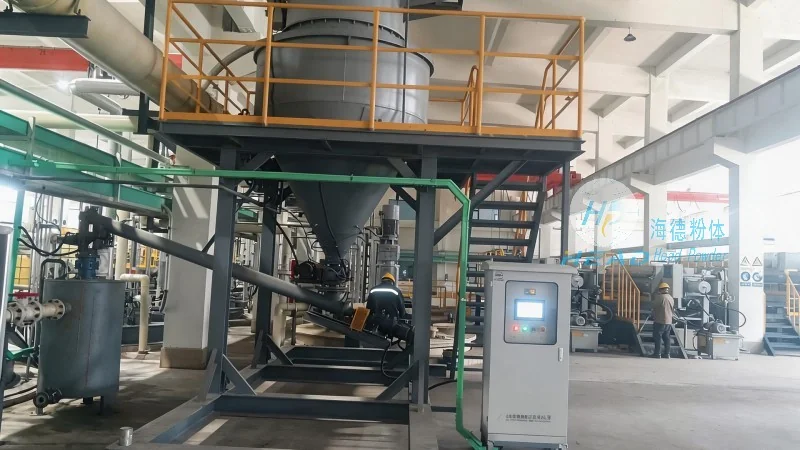
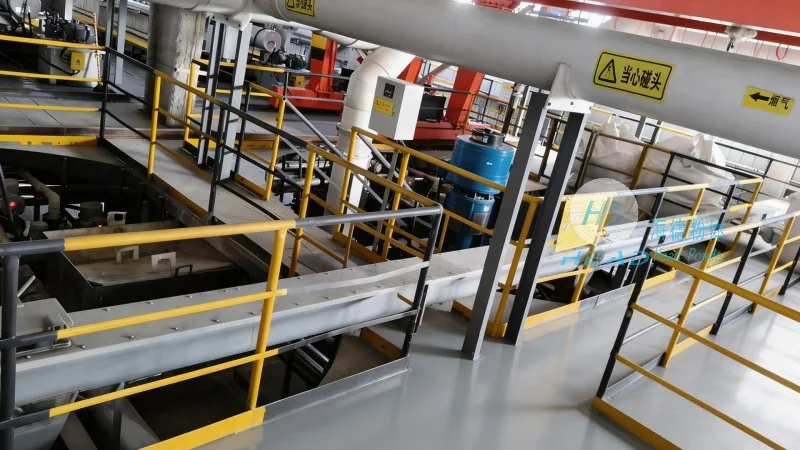
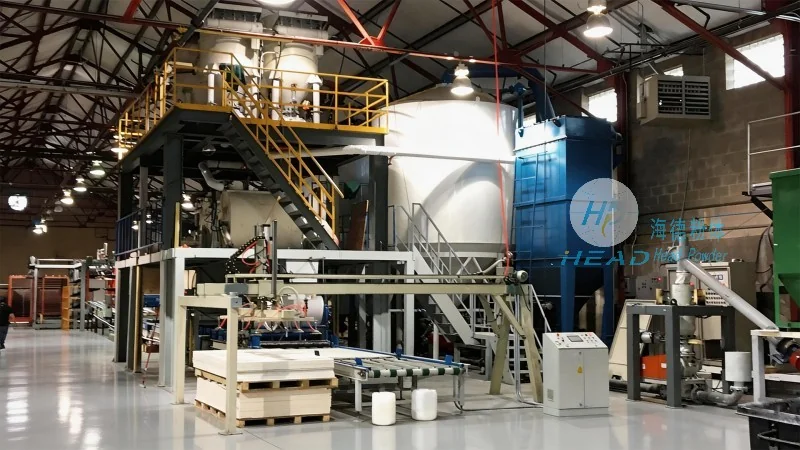
A typical dry dust collection system comprises several interdependent components that work in concert to achieve dust removal. The primary components include an inlet or hood that captures contaminated air from the source, a fan or blower that provides the necessary airflow to drive the system, a dust separation device (such as a cyclone or electrostatic precipitator) that removes larger particles from the air stream, a filter or baghouse that traps fine particles on the filter media, and an outlet or exhaust system that discharges the cleaned air. The operational sequence begins when the fan draws in contaminated air from the source. The air then enters the separation device, where centrifugal force or electrostatic attraction removes larger particles. The cleaned air proceeds through the filter or baghouse, where fine particles are trapped on the filter surface. The collected dust is periodically removed from the filter via mechanisms like shaking, reverse air flow, or pulse jets. The cleaned air is then discharged through the outlet, often with a fan that maintains the necessary pressure to move the air through the system. Each component is carefully sized and configured to ensure seamless integration and optimal performance, with engineers focusing on minimizing pressure drop and maximizing filtration efficiency.




