When it comes to the pneumatic conveying of coal and sand, selecting the appropriate conveying method is crucial for ensuring efficient and reliable material transport. Two primary approaches are widely used: negative pressure conveying and positive pressure conveying. Each method has its own set of advantages and disadvantages, which can significantly impact operational performance, cost, and maintenance requirements. This article provides a detailed comparison of these two methods, helping to inform decisions for industrial applications.
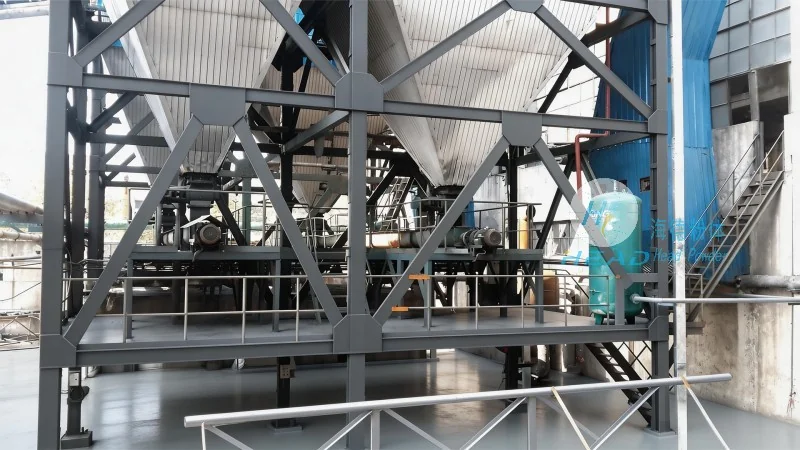
Understanding Pneumatic Conveying Methods
Pneumatic conveying is a technology that uses air or gas to transport bulk materials through a pipeline system. The two main categories are negative pressure (or suction) conveying and positive pressure (or pressure) conveying. The choice between these methods depends on factors such as material characteristics, distance, system complexity, and environmental considerations.
Negative Pressure Pneumatic Conveying
Negative pressure conveying, also known as suction conveying, operates by creating a vacuum at the material inlet. This vacuum draws the material into the pipeline, where it is then carried by the air flow to the discharge point. The system typically includes a vacuum pump or fan at the discharge end to maintain the negative pressure. This method is often preferred for applications where the material needs to be conveyed from a higher elevation to a lower one, or where the material is sensitive to pressure changes.
One of the key advantages of negative pressure conveying is its ability to handle fine or dusty materials without causing excessive pressure drops or material degradation. The low pressure environment helps maintain the integrity of the material, making it suitable for delicate or abrasive substances like coal and sand. Additionally, the system can be designed with fewer components at the material inlet, reducing the risk of blockages and simplifying maintenance.
However, negative pressure conveying has several limitations. The primary drawback is its lower conveying capacity compared to positive pressure systems. The vacuum created limits the volume of material that can be transported efficiently, which may require more frequent material loading or larger system sizes for high-volume applications. Another challenge is the potential for air leakage, which can reduce the efficiency of the vacuum and increase energy consumption. Furthermore, the system may be more susceptible to external air infiltration, which can affect the material's quality and the overall conveying performance.
Positive Pressure Pneumatic Conveying
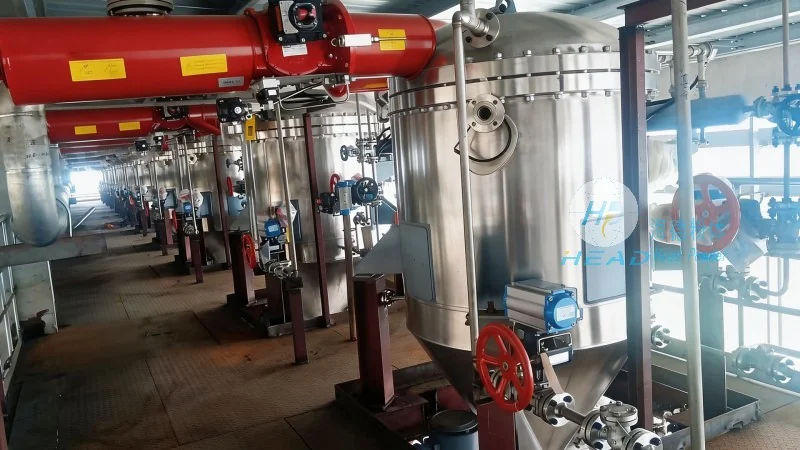
Positive pressure conveying, or pressure conveying, works by forcing air or gas through the material and the pipeline. A positive pressure fan or blower at the inlet pushes the material along the pipeline to the discharge point. This method is commonly used for conveying materials over longer distances or from a lower elevation to a higher one, as it can maintain higher pressure levels throughout the system.
A major advantage of positive pressure conveying is its higher conveying capacity and ability to handle larger volumes of material. The higher pressure ensures that the material is consistently moved through the pipeline, reducing the risk of blockages and improving overall system reliability. This makes it ideal for high-volume applications where continuous material flow is critical.
However, positive pressure systems have their own set of disadvantages. The higher pressure can cause wear and tear on components, leading to increased maintenance costs and potential system failures. The system is also more prone to material degradation due to the higher impact and friction within the pipeline. Additionally, positive pressure conveying may require more complex filtration and dust control measures to prevent material buildup and maintain air quality. The higher energy consumption associated with maintaining pressure also contributes to increased operational costs.
Comparative Analysis and Practical Considerations
When comparing negative and positive pressure pneumatic conveying for coal and sand, several factors must be considered. The choice often depends on the specific application requirements, such as the distance to be covered, the material's properties, and the desired throughput. For short distances and fine materials, negative pressure conveying may be more suitable due to its lower pressure and reduced wear. For longer distances or high-volume applications, positive pressure conveying offers better performance and efficiency.
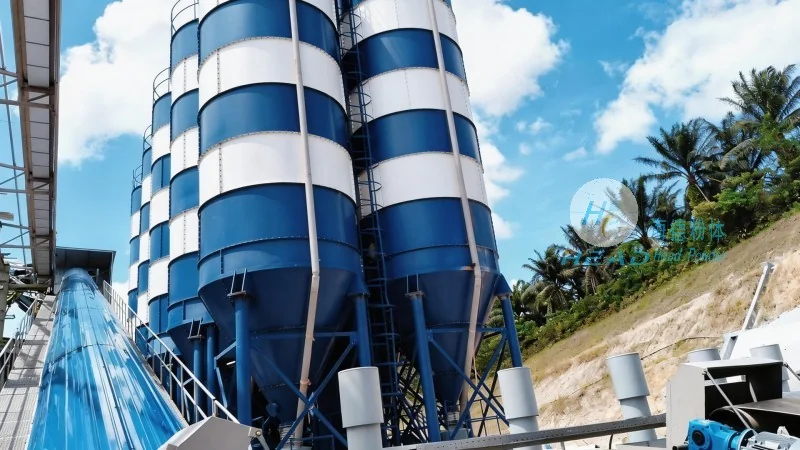
From an operational perspective, negative pressure systems are generally easier to install and maintain, as they require fewer high-pressure components. However, they may need more frequent cleaning and maintenance to prevent blockages. Positive pressure systems, while more complex, can be more reliable for continuous operation and require less frequent maintenance once properly set up.
HeadPowder's Expertise in Pneumatic Conveying Solutions
Shandong HeadPowder Engineering Co., Ltd., a leading provider of pneumatic conveying systems, specializes in designing and manufacturing customized solutions for various industrial applications. With years of experience in the field, HeadPowder understands the nuances of both negative and positive pressure conveying and can offer tailored systems that meet specific operational needs. The company's expertise includes material handling, system design, and maintenance services, ensuring that clients receive efficient and reliable conveying solutions.
HeadPowder's approach to pneumatic conveying involves a thorough analysis of the material characteristics, conveying distance, and operational requirements. This allows the company to recommend the most suitable method—whether negative or positive pressure—and design a system that optimizes performance while minimizing costs. The company's commitment to quality and customer satisfaction has made it a trusted partner for industries relying on efficient material transport.
Conclusion
In conclusion, both negative and positive pressure pneumatic conveying have their distinct advantages and disadvantages for the transport of coal and sand. Negative pressure conveying excels in handling fine materials and short distances with lower pressure, while positive pressure conveying offers higher capacity and reliability for longer or high-volume applications. The choice between the two depends on the specific operational requirements and material characteristics. By understanding these differences and leveraging the expertise of companies like Shandong HeadPowder Engineering Co., Ltd., industries can select the most appropriate pneumatic conveying method to achieve efficient and cost-effective material transport.




