Pneumatic conveying systems represent a critical technology in the food processing sector, especially for the handling of flour and other fine powders. These systems leverage air or gas to transport bulk materials through a network of pipelines, offering distinct advantages over traditional mechanical conveying methods. The primary benefits include reduced product contamination, lower maintenance requirements, and the ability to handle sensitive materials without degradation. For flour manufacturers, the selection of an appropriate pneumatic conveying system is essential for maintaining product quality, ensuring operational efficiency, and meeting regulatory standards.
The Fundamental Principle of Pneumatic Conveying
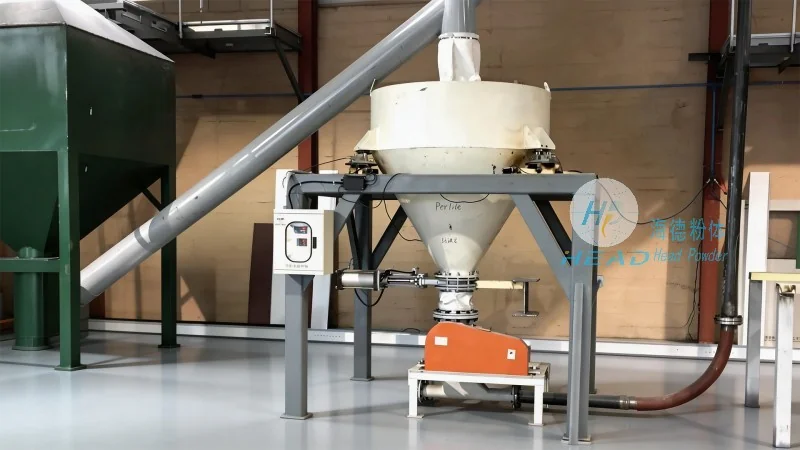
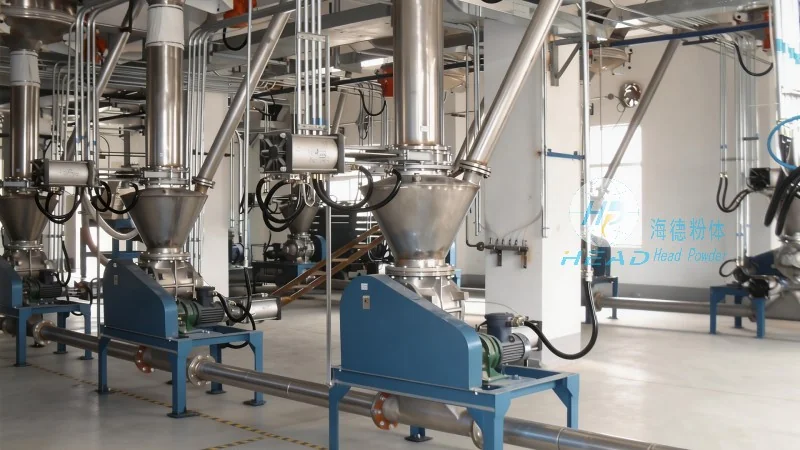
The core principle of pneumatic conveying revolves around the use of air pressure to move material particles. In a typical setup, a fan or blower generates a flow of air, which then picks up the flour particles and transports them through the pipeline. The system can be classified into two main categories: dilute-phase and dense-phase conveying. Dilute-phase systems operate at higher air velocities, keeping particles suspended in the air stream, while dense-phase systems use lower velocities, allowing for a higher concentration of material in the pipeline. For flour, dilute-phase systems are commonly preferred due to their effectiveness in handling fine powders without clogging, though dense-phase systems may be employed for longer distances or higher capacity needs.
Key Components of a Flour Pneumatic Conveying System
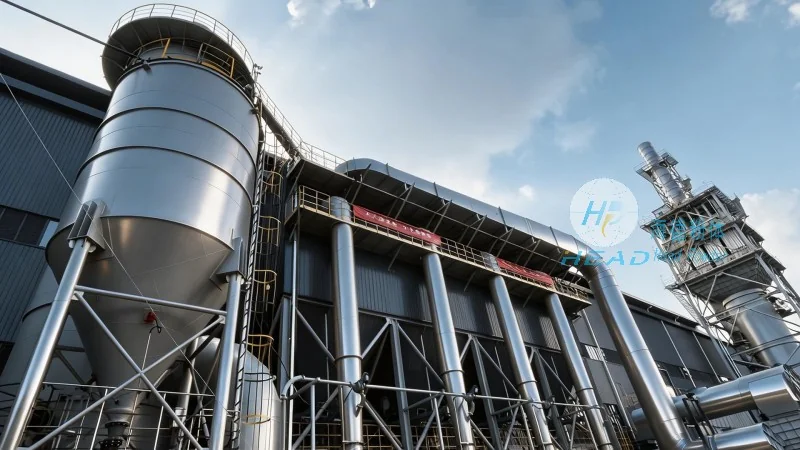
A standard flour pneumatic conveying system comprises several essential components. The primary components include a material feeder, which regulates the flow of flour into the system; a conveying line, which transports the material; a separator or filter, which removes excess air and fine particles from the product; and a receiver or storage tank, where the flour is collected. Additionally, a fan or blower provides the necessary air pressure, and a control system manages the operation of the entire system. Each component plays a critical role in ensuring efficient and safe operation, minimizing the risk of product loss or contamination. For instance, the material feeder ensures a consistent feed rate, preventing overloading or underloading of the system, while the separator effectively removes air and fine particles, maintaining the purity of the flour.
Working Scene Characteristics of Flour Pneumatic Conveying Systems
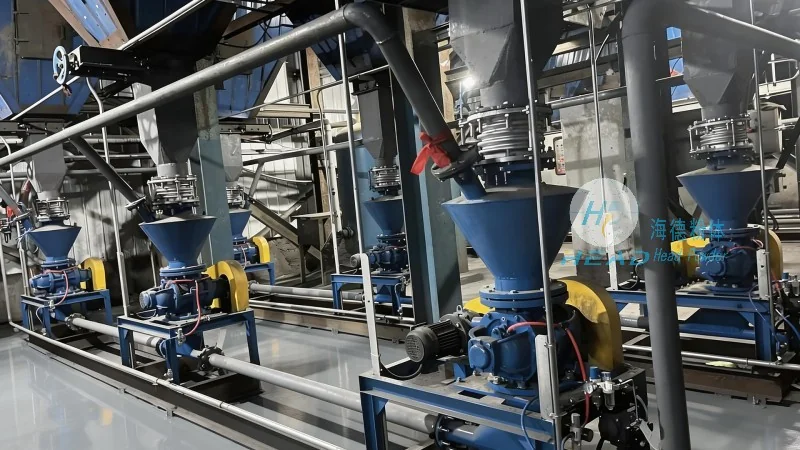
The working scene characteristics of flour pneumatic conveying systems vary based on the specific application and operational requirements. In large-scale flour mills, the system may need to handle high volumes of material over extended distances, necessitating a robust and high-capacity design. Conversely, smaller bakeries or food processing facilities might utilize a compact system for shorter conveying distances and lower material throughput. The system's design also considers factors such as the moisture content of the flour, as high moisture levels can affect air flow and increase clogging risks. Furthermore, compliance with food safety regulations is paramount, requiring all components to be made of non-corrosive, easy-to-clean materials like stainless steel. This ensures that the system can be sanitized effectively, maintaining hygiene standards throughout the production process.




