For industries dealing with barium carbonate, efficient material handling is crucial to maintaining production efficiency and operational safety. A pneumatic conveying system specifically designed for barium carbonate materials offers a reliable solution that integrates advanced technology with practical application. This article explores the fundamental principles behind such a system and highlights the key characteristics of its working scenes, providing insights into how it enhances material transport processes.
The Core Principle of Pneumatic Conveying Technology
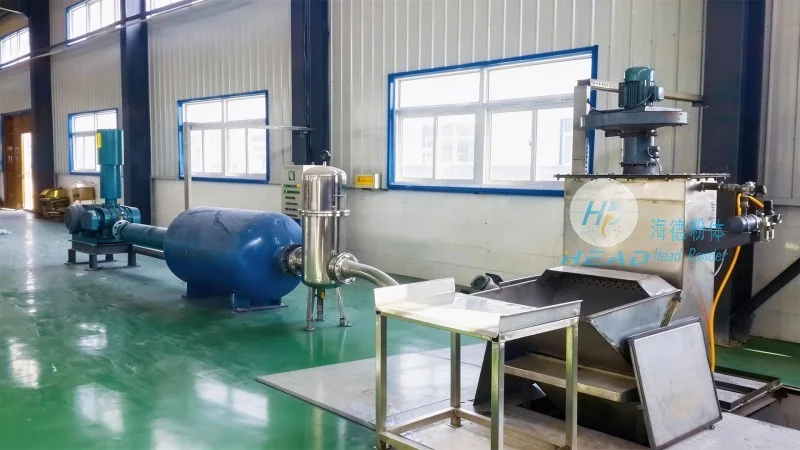
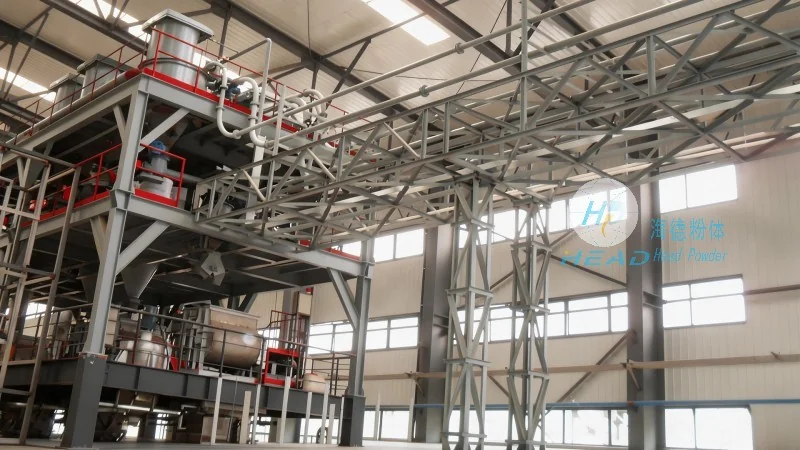
Pneumatic conveying systems operate by using compressed air or gas to transport bulk materials through a pipeline. In the case of barium carbonate, which is often a fine or powdery substance, the system typically employs an aspiration (suction) method. This approach involves creating a negative pressure at the material source, drawing the barium carbonate particles into the pipeline, and then transporting them to the destination. The system may also incorporate a positive pressure (blowing) method for applications requiring higher pressure or longer distances. The choice between these methods depends on factors such as material properties, distance, and system design. The core principle revolves around the balance of air flow and material flow, ensuring that the barium carbonate particles are carried efficiently without degradation or blockage.
Key Working Scene Characteristics of the System
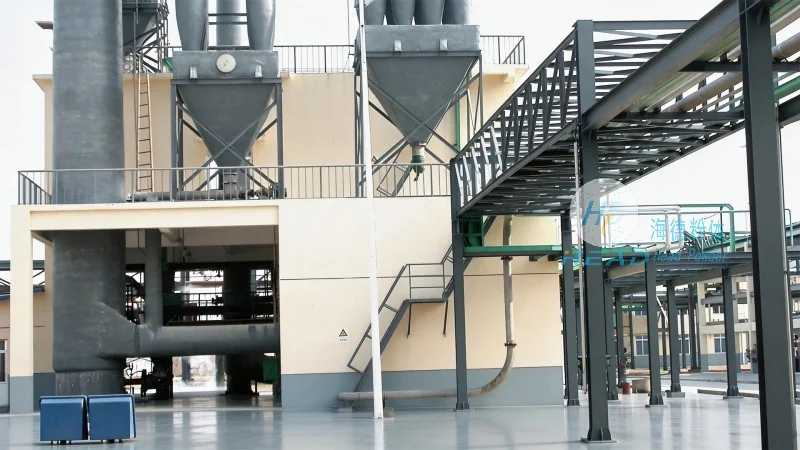
The working scene characteristics of a barium carbonate pneumatic conveying system are tailored to the specific demands of industrial environments. These systems are commonly used in settings such as chemical plants, mining operations, and pharmaceutical manufacturing facilities. The key characteristics include: high efficiency and low maintenance, as the system minimizes manual handling and reduces the risk of material contamination. Additionally, the system offers flexibility in layout, allowing for customized pipeline configurations to suit the spatial constraints of the facility. Another important characteristic is environmental friendliness, as pneumatic conveying eliminates the need for open-air handling, which can reduce dust emissions and improve workplace safety. The system also provides continuous operation, enabling steady material flow without interruptions, which is critical for maintaining production schedules. Furthermore, the system is designed to handle varying material conditions, including different particle sizes and moisture levels, ensuring consistent performance across diverse working scenarios.
Company Profile and Expertise in Pneumatic Conveying Solutions
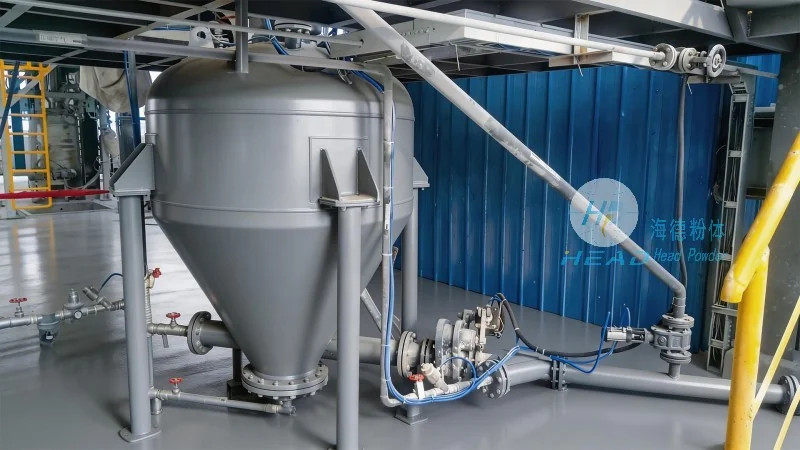
Shandong HeadPowder Engineering Co., Ltd., a leading provider of industrial material handling solutions, specializes in designing and manufacturing pneumatic conveying systems tailored to the needs of barium carbonate and other similar materials. With a strong focus on innovation and customer-centric design, the company has developed systems that meet the rigorous standards of the chemical and mining industries. HeadPowder's expertise lies in understanding the unique properties of barium carbonate, such as its fine particle size and potential for dust generation, and integrating these insights into the system's design. The company's team of engineers and technicians work closely with clients to assess their specific requirements, from material flow rates to pipeline layout, ensuring that the final solution is both efficient and cost-effective. Based in Shandong, China, HeadPowder leverages its local manufacturing capabilities and extensive industry experience to deliver high-quality pneumatic conveying systems that enhance operational performance and safety for its clients.




