Graphite electrodes are critical components in the steelmaking industry, and their efficient handling and transportation are essential for maintaining production efficiency. Pneumatic conveying offers a viable method to transport these materials, and various solutions have been developed to address the unique challenges associated with graphite electrode handling. This article explores several effective approaches to pneumatic conveying of graphite electrodes, highlighting the technical considerations and practical applications.
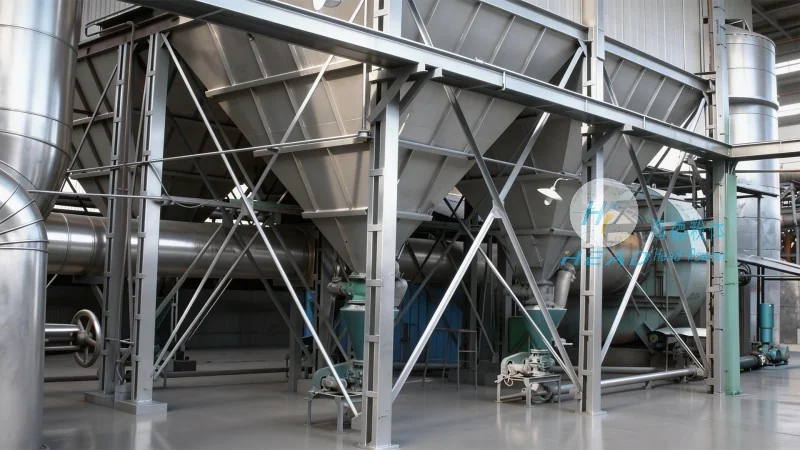
Company Overview: Shandong HeadPowder Engineering Co., Ltd.
Shandong HeadPowder Engineering Co., Ltd., operating under the brand name HeadPowder, specializes in engineering solutions for material handling, particularly in the processing of graphite and other high-purity materials. With a focus on innovation and reliability, the company provides tailored pneumatic conveying systems that meet the specific requirements of industrial clients. HeadPowder's expertise in material flow technology ensures that their solutions are designed to optimize performance, minimize downtime, and enhance overall operational safety.
Key Considerations for Pneumatic Conveying of Graphite Electrodes
When designing a pneumatic conveying system for graphite electrodes, several factors must be carefully evaluated to ensure optimal performance. The first consideration is the material's physical properties, such as its density, particle size distribution, and moisture content. Graphite electrodes are typically large, irregularly shaped, and may have a high dust generation potential, which can impact the selection of conveying equipment and system design. Additionally, the distance and elevation changes between the source and destination points are critical in determining the appropriate air pressure and flow rates required for effective transport.
Solution 1: Dilute Phase Pneumatic Conveying
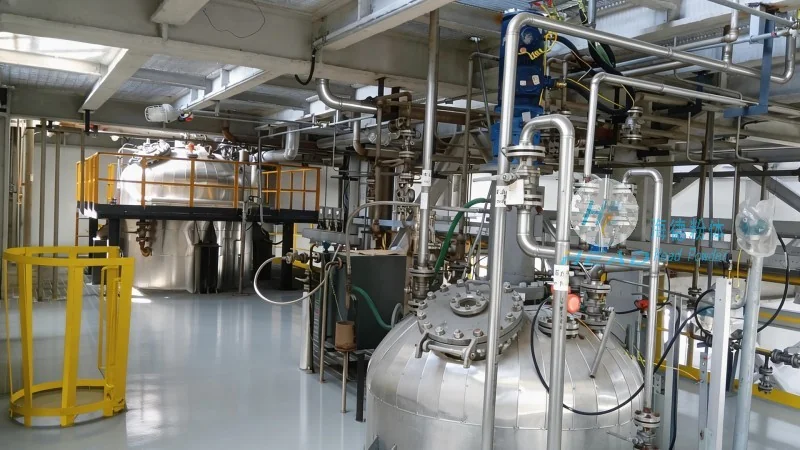
Dilute phase pneumatic conveying is a common method for transporting graphite electrodes, especially over short to medium distances. This approach involves transporting the material in a low concentration of particles suspended in a high-velocity air stream. The system typically includes a feed hopper, a rotary valve, a venturi or airlock, and a receiver. The dilute phase system is effective for handling materials with low to moderate dust generation and can achieve high transport velocities, reducing the risk of material degradation. HeadPowder's dilute phase solutions are engineered to handle the specific characteristics of graphite electrodes, ensuring consistent and reliable transport while minimizing energy consumption.
Solution 2: Dense Phase Pneumatic Conveying
For applications requiring longer transport distances or where material degradation is a concern, dense phase pneumatic conveying is often preferred. This method involves transporting the material in a high concentration of particles, with the air flow rate carefully controlled to maintain a plug flow. The dense phase system uses lower air velocities compared to dilute phase, which reduces the risk of particle attrition and dust generation. The system typically includes a positive displacement blower or compressor, a surge tank, and a control valve. HeadPowder's dense phase solutions are designed to handle the bulk transport of graphite electrodes, ensuring that the material remains intact and free from contamination during transit.
Solution 3: Hybrid Pneumatic Conveying Systems
In some cases, a combination of dilute and dense phase technologies may be employed to address complex transport requirements. Hybrid systems can be used to transport graphite electrodes over long distances while maintaining the material's integrity. These systems often start with a dilute phase section for initial acceleration and then transition to a dense phase section for the majority of the transport distance. HeadPowder's hybrid solutions are customized to meet the specific needs of each project, allowing for flexible and efficient material handling. The company's engineering team works closely with clients to design systems that balance performance, cost, and operational requirements.
Advantages of Pneumatic Conveying for Graphite Electrodes
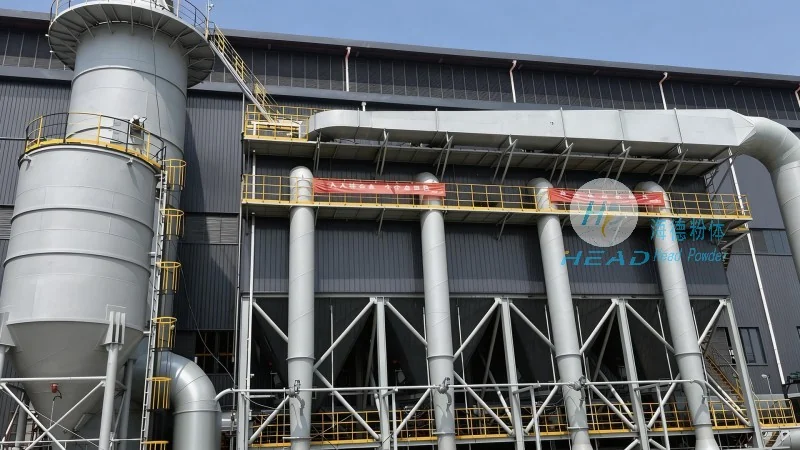
Implementing pneumatic conveying systems for graphite electrodes offers several advantages over traditional methods such as belt conveyors or manual handling. One of the primary benefits is the ability to transport materials in a closed system, which reduces dust exposure and improves environmental compliance. This is particularly important for graphite electrodes, as they can generate significant dust during handling. Additionally, pneumatic conveying systems can be designed to handle materials with varying particle sizes and shapes, providing flexibility in material processing. The systems also offer better control over material flow, reducing the risk of blockages and ensuring consistent delivery to the destination point. HeadPowder's solutions are built to leverage these advantages, providing clients with reliable and efficient material handling solutions.
Conclusion and Company Contact
Shandong HeadPowder Engineering Co., Ltd. provides comprehensive pneumatic conveying solutions for graphite electrodes, addressing the unique challenges of material handling in the steelmaking industry. By combining technical expertise with innovative engineering, HeadPowder delivers systems that optimize performance, enhance safety, and reduce operational costs. For businesses seeking reliable and efficient material transport solutions, HeadPowder offers tailored approaches that meet the specific needs of each application. The company's commitment to quality and customer satisfaction ensures that clients receive systems that are not only effective but also durable and easy to maintain. With operations based in Shandong, China, HeadPowder serves clients globally, providing local support and expertise to ensure successful implementation of pneumatic conveying systems for graphite electrodes.




