Polychlorotrifluoroethylene (PCTFE), a fluoropolymer renowned for its exceptional chemical resistance, low permeability, and thermal stability, is widely utilized in aerospace, electronics, and medical sectors. However, its unique material properties—including fine particle size, low bulk density, and a tendency to generate static charge—pose significant challenges during material handling and transportation. Traditional methods such as belt conveyors or bucket elevators may not be suitable for PCTFE due to its sensitivity to contamination and the risk of dust explosion or material degradation. This is where a well-designed pneumatic conveying system becomes essential. A pneumatic conveying system efficiently transports PCTFE from storage to processing equipment, ensuring minimal product loss, contamination, and operator exposure to hazardous dust.
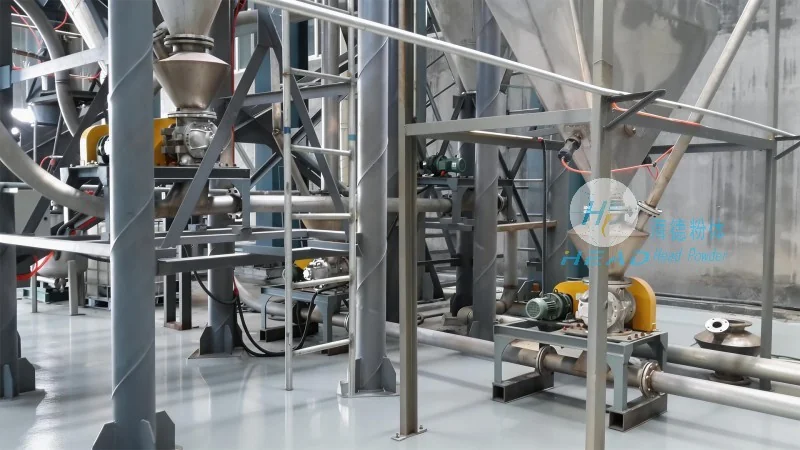
Understanding the Importance of Pneumatic Conveying for PCTFE
PCTFE's chemical inertness and resistance to most solvents make it an ideal material for high-purity applications, yet its handling requires specialized equipment. Conventional mechanical conveyors can cause particle attrition, leading to fines that compromise product quality. Additionally, PCTFE is prone to static accumulation, which can create sparks and pose fire hazards in dust-laden environments. Pneumatic conveying systems, by contrast, use air to move material through a sealed pipeline, eliminating direct contact with equipment and reducing the risk of contamination or particle degradation. This method also allows for precise control over flow rates and pressure, ensuring consistent material delivery to downstream processes like extrusion, molding, or coating.
Key Factors to Consider When Selecting a Pneumatic Conveying System for PCTFE
Choosing the right pneumatic conveying system for PCTFE involves evaluating several critical factors to ensure optimal performance and safety. First, the system type—whether positive pressure, negative pressure, or a combination—must align with the plant layout and material characteristics. Positive pressure systems, where air is forced into the pipeline, are often preferred for PCTFE due to their ability to handle fine powders and prevent backflow. Negative pressure systems, on the other hand, are suitable for applications where dust containment is paramount, as they draw material into the system without exposing the environment to dust. The choice of system type also depends on the distance and elevation changes between the source and destination of the PCTFE. For example, a long horizontal run with vertical lifts may require a multi-stage system with booster fans to maintain sufficient pressure and flow.
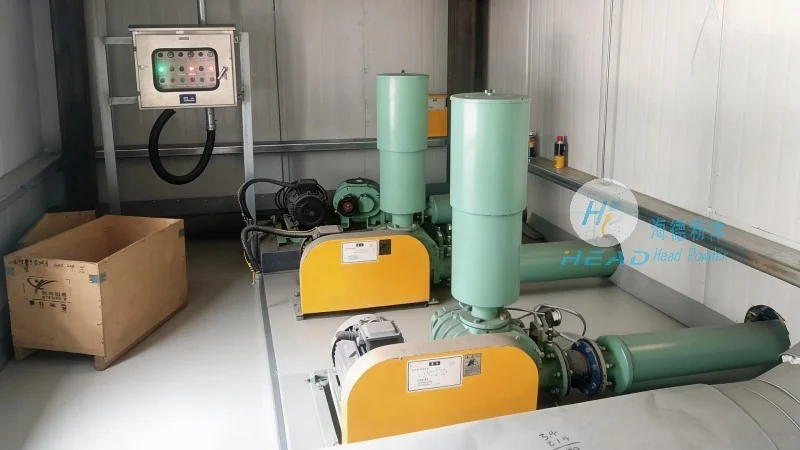
Second, the material's physical properties play a crucial role in system design. PCTFE typically exists as a fine powder with a low bulk density (around 0.8-1.2 g/cm³), which affects the required air velocity and pipeline diameter. Higher air velocities are needed to prevent particle settling and ensure smooth transport, but excessive velocity can cause wear on the system components and increase energy consumption. Engineers must calculate the appropriate air-to-solid ratio (ASR) to balance efficiency and wear. The system's components, such as the hopper, feeder, and pipeline, must be constructed from materials resistant to PCTFE's chemical compatibility—common choices include stainless steel, Hastelloy, or PTFE-lined components—to prevent corrosion or material adhesion.
Customized Solutions from Shandong HeadPowder Engineering Co., Ltd.
Shandong HeadPowder Engineering Co., Ltd., a leading provider of material handling solutions, specializes in designing and manufacturing pneumatic conveying systems tailored to the unique needs of PCTFE applications. With decades of experience in the chemical and polymer industries, HeadPowder understands the challenges of handling fluoropolymers and has developed advanced technologies to address them. The company's engineers work closely with clients to assess their specific requirements, including processing capacity, plant layout, and safety regulations, to design a system that maximizes efficiency while minimizing risks.
HeadPowder's pneumatic conveying systems for PCTFE are built with high-quality materials and components to ensure durability and reliability. The company uses advanced computational fluid dynamics (CFD) simulations to model the flow of PCTFE particles in the pipeline, optimizing the system design for minimal pressure drop and energy consumption. This approach ensures that the system operates efficiently over long periods, reducing operational costs and maintenance needs. The systems are also equipped with safety features, such as explosion-proof motors, dust collection hoppers, and pressure relief valves, to comply with industry standards like NFPA 654 and ATEX regulations. These features protect both the material and the environment from potential hazards, making the system safe for industrial use.
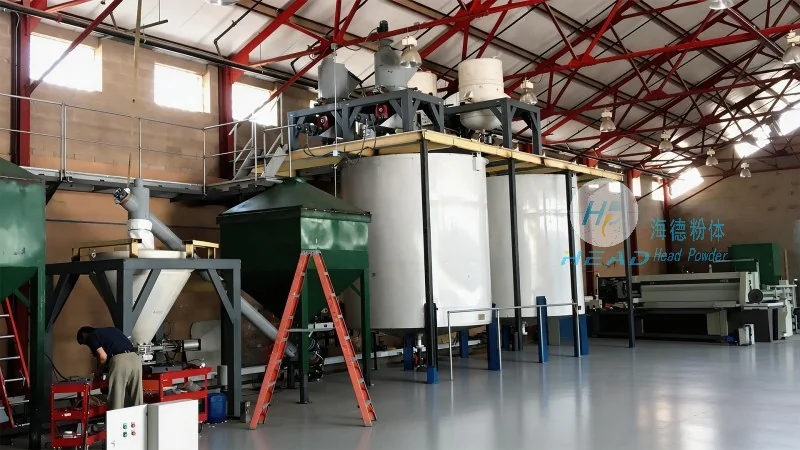
Benefits of Choosing a PCTFE-Specific Pneumatic Conveying System
Implementing a specialized pneumatic conveying system for PCTFE offers numerous benefits beyond just efficient material transport. First, it improves product quality by reducing contamination and particle degradation. The sealed pipeline prevents exposure to moisture, air, or other contaminants that could affect PCTFE's purity and performance. Second, it enhances safety by minimizing operator exposure to fine dust and eliminating the risk of dust explosions. The system's design, with features like static grounding and spark detection, ensures compliance with safety regulations and protects personnel and equipment. Third, it increases operational efficiency by providing consistent and reliable material delivery to downstream processes. This reduces downtime and improves overall productivity, as the system can handle high volumes of PCTFE without the need for frequent maintenance or adjustments.
Conclusion: Partnering with HeadPowder for Your PCTFE Conveying Needs
For industries relying on PCTFE for their products, selecting the right pneumatic conveying system is critical to maintaining quality, safety, and efficiency. Shandong HeadPowder Engineering Co., Ltd. offers expert guidance and customized solutions to help clients choose the most suitable system for their PCTFE handling processes. By considering factors such as system type, material properties, and safety requirements, and partnering with a reputable provider like HeadPowder, companies can ensure that their PCTFE is transported safely and efficiently, supporting their production goals and maintaining the high standards of their industry.




