HeadPowder, a leading provider of pneumatic conveying solutions, specializes in optimizing material handling processes for industries dealing with iron powder. In this detailed analysis, we compare the advantages and disadvantages of negative pressure and positive pressure conveying systems, focusing on their applications, operational characteristics, and suitability for iron powder transport. Understanding these differences is crucial for selecting the most efficient and cost-effective conveying method for specific industrial requirements, as offered by Shandong HeadPowder Engineering Co., Ltd., a company based in Shandong, China.
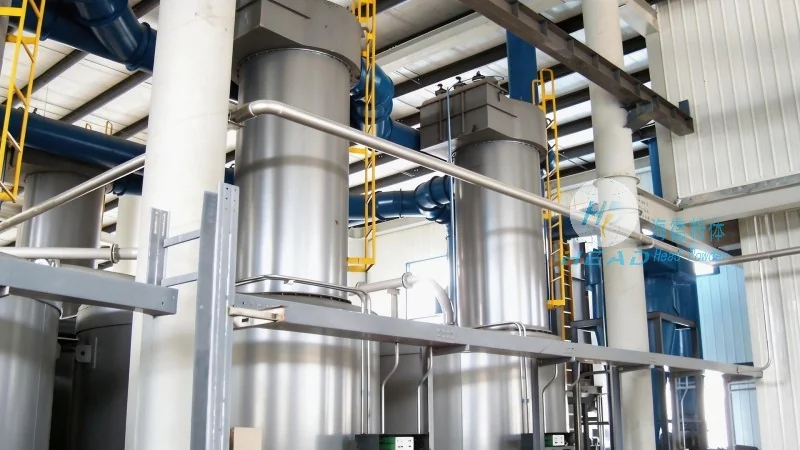
Overview of Pneumatic Conveying Systems
Pneumatic conveying is a widely used technique for transporting bulk materials like iron powder through a pipeline using air or gas as the conveying medium. The two primary methods are negative pressure (or suction) conveying and positive pressure (or pressure) conveying. Each system operates on distinct principles, affecting factors such as material handling efficiency, system complexity, and operational costs. This comparison aims to provide insights into the suitability of each approach for iron powder applications.
Negative Pressure (Suction) Conveying for Iron Powder
Negative pressure conveying, also known as suction conveying, operates by creating a vacuum at the material inlet to draw the iron powder into the pipeline. This method is often preferred for applications requiring the transport of materials from multiple sources or over relatively short distances. The primary advantage of negative pressure systems is their ability to handle fine powders without causing excessive wear on equipment, as the material is drawn rather than forced through the system. This reduces the risk of particle degradation and maintains the quality of the iron powder.
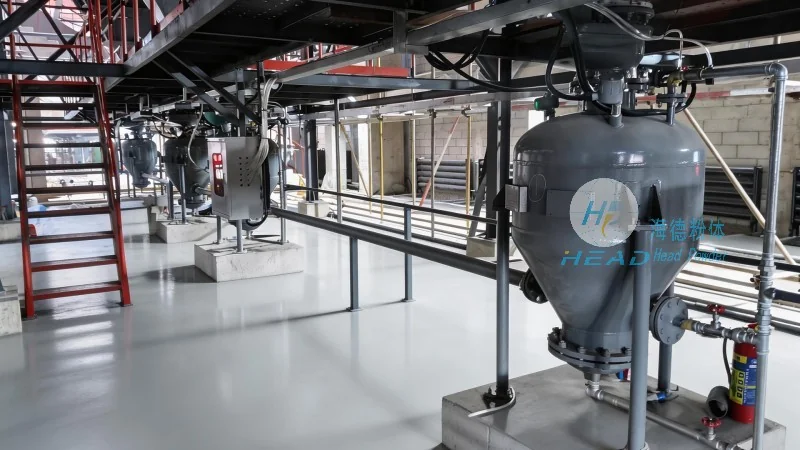
One key benefit is the lower initial investment and energy consumption compared to positive pressure systems. Negative pressure conveying typically requires less powerful fans or blowers, making it more economical for smaller-scale operations. Additionally, the system can be designed to handle materials from various points, such as from storage silos or production lines, without the need for complex material transfer points. This flexibility enhances operational efficiency in facilities where iron powder is produced or processed at multiple locations.
However, negative pressure conveying has notable limitations. The main drawback is its lower conveying capacity compared to positive pressure systems. The vacuum created limits the volume of material that can be transported in a given time, which may not be sufficient for high-volume production lines. Furthermore, the system is more susceptible to air leaks and pressure drops, which can affect the consistency of material flow. Maintenance of the suction equipment, particularly the filters and vacuum pumps, is also more critical to ensure consistent performance.
Positive Pressure (Pressure) Conveying for Iron Powder
Positive pressure conveying, or pressure conveying, works by blowing air or gas under pressure into the pipeline to push the iron powder forward. This method is ideal for applications requiring high conveying rates, long-distance transport, or when the material needs to be delivered to a single destination. The primary advantage is its higher conveying capacity and ability to transport materials over longer distances without significant pressure loss. This makes it suitable for large-scale iron powder production facilities where bulk material transport is essential.
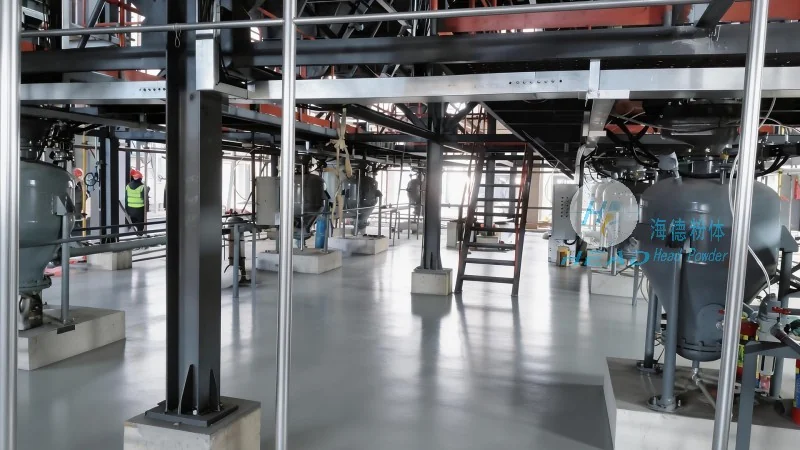
Positive pressure systems also offer better control over material flow, as the pressure can be adjusted to match the required throughput. This flexibility allows for precise control of the conveying rate, ensuring that the iron powder is delivered at the desired speed. Additionally, the system is less affected by external air pressure changes, providing more stable operation compared to negative pressure systems. The use of positive pressure also reduces the risk of material degradation caused by suction, as the material is not subjected to negative pressure forces.
Despite these benefits, positive pressure conveying comes with higher initial costs and energy consumption. The need for powerful blowers or compressors increases the capital expenditure and operational costs. Furthermore, the system is more prone to material buildup and blockages in the pipeline, especially with fine iron powders that can settle and clog the system. Regular maintenance and cleaning are essential to prevent these issues and ensure smooth operation.
Key Considerations for Selecting the Right Conveying System
When choosing between negative pressure and positive pressure conveying for iron powder, several factors must be considered. The first is the volume and distance of material transport. For short distances and low volumes, negative pressure conveying may be more economical. For long distances or high volumes, positive pressure conveying is generally more suitable. The nature of the iron powder, such as its particle size, moisture content, and flowability, also plays a critical role. Fine powders with poor flow characteristics may perform better with positive pressure systems due to reduced risk of clogging.
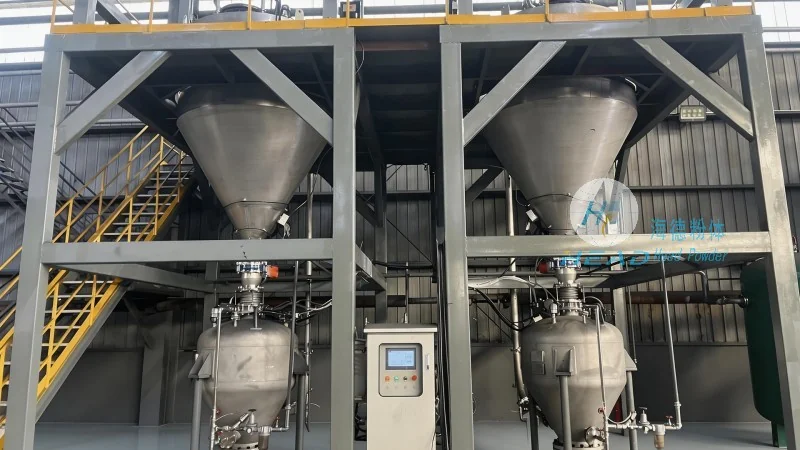
Operational costs and maintenance requirements are also important considerations. Negative pressure systems have lower energy consumption and simpler maintenance, making them ideal for smaller operations or where cost efficiency is a priority. Positive pressure systems, while more expensive, offer better control and reliability for large-scale industrial applications. The availability of space and infrastructure at the facility is another factor. Negative pressure systems may require additional space for the suction equipment, while positive pressure systems need room for the pressure generation equipment.
Conclusion
Both negative pressure and positive pressure conveying systems have their unique advantages and disadvantages when applied to iron powder transport. Negative pressure conveying excels in flexibility, low energy consumption, and handling fine powders, making it suitable for smaller-scale or multi-source applications. Positive pressure conveying, on the other hand, offers higher capacity, better control, and suitability for long-distance transport, ideal for large-scale industrial operations. The choice between the two depends on specific operational requirements, material characteristics, and cost considerations. HeadPowder, with its expertise in pneumatic conveying solutions, can provide tailored recommendations to optimize iron powder handling for various industrial needs, ensuring efficient and reliable material transport while minimizing operational costs.




