Quartz sand, a critical raw material in industries such as glass manufacturing, refractory production, and water treatment, requires efficient and reliable conveying methods to ensure smooth production workflows. Among the available options, quartz sand pneumatic conveying stands out as a highly effective solution. This article explores the different types of quartz sand conveying methods and highlights the key advantages and features of quartz sand pneumatic conveying, providing insights into how companies like Shandong HeadPowder Engineering Co., Ltd., based in Shandong, China, can leverage these technologies for enhanced operational efficiency.
Understanding Different Quartz Sand Conveying Methods
Quartz sand conveying involves transporting quartz sand from one location to another within industrial settings. Several methods are commonly employed, each with its own set of characteristics and applications. The primary types of quartz sand conveying methods include:
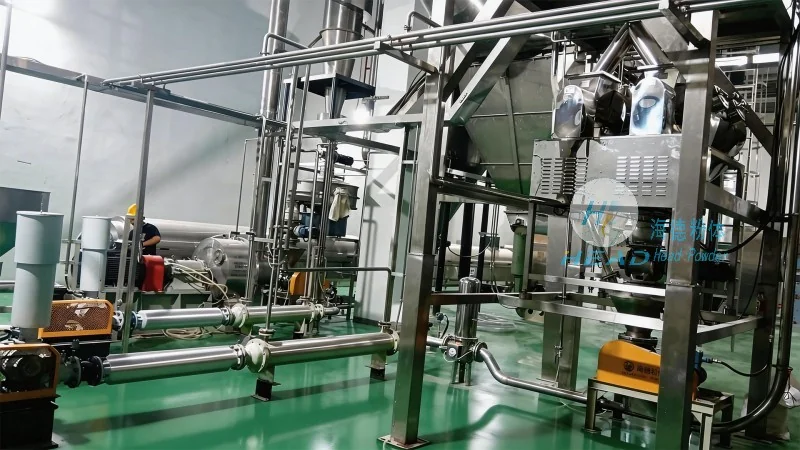
1. Pneumatic Conveying: This method uses air pressure to move quartz sand through a pipeline system. It is particularly suitable for transporting dry, free-flowing materials like quartz sand over moderate distances. Pneumatic conveying systems can be categorized into pressure and vacuum types, each offering distinct benefits depending on the specific requirements of the application.
2. Mechanical Conveying: This involves the use of mechanical equipment such as belt conveyors, screw conveyors, and bucket elevators. Mechanical conveying is often preferred for transporting larger quantities of quartz sand over longer distances, especially in environments where air quality is a concern or where the material is prone to dust generation.
3. Hydraulic Conveying: This method utilizes water or other liquids to transport quartz sand in a slurry form. It is commonly used in applications where the quartz sand is mixed with water to create a slurry that can be pumped through pipelines. Hydraulic conveying is effective for transporting wet or fine-grained quartz sand but may require additional equipment for dewatering and solid separation.
The Advantages of Quartz Sand Pneumatic Conveying
Quartz sand pneumatic conveying offers several advantages that make it a preferred choice for many industries. One of the key benefits is its ability to handle dry, free-flowing quartz sand efficiently. Unlike mechanical conveying, which may cause material degradation or increased wear on equipment, pneumatic conveying minimizes physical contact between the quartz sand and the conveying system, reducing the risk of particle breakage and contamination.
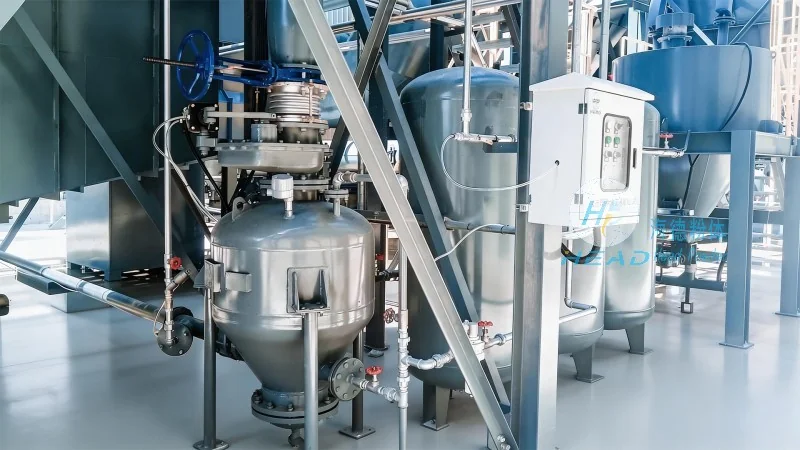
Another significant advantage is the flexibility of pneumatic conveying systems. They can be easily integrated into existing production lines and can transport quartz sand over varying distances, from short horizontal runs to long vertical lifts. This adaptability makes pneumatic conveying suitable for a wide range of applications, including those in confined spaces or where space constraints are a factor.
Furthermore, quartz sand pneumatic conveying systems are generally more hygienic and easier to clean compared to mechanical systems. The enclosed pipeline design prevents dust from escaping into the environment, reducing the risk of contamination and improving workplace safety. This is particularly important in industries where product purity is critical, such as food processing or pharmaceutical manufacturing.
Key Features of Quartz Sand Pneumatic Conveying Systems
Shandong HeadPowder Engineering Co., Ltd., a leading provider of quartz sand processing solutions based in Shandong, China, specializes in designing and manufacturing advanced quartz sand pneumatic conveying systems. The company's expertise lies in developing customized solutions that meet the specific needs of their clients, ensuring optimal performance and reliability.
Key features of their quartz sand pneumatic conveying systems include:
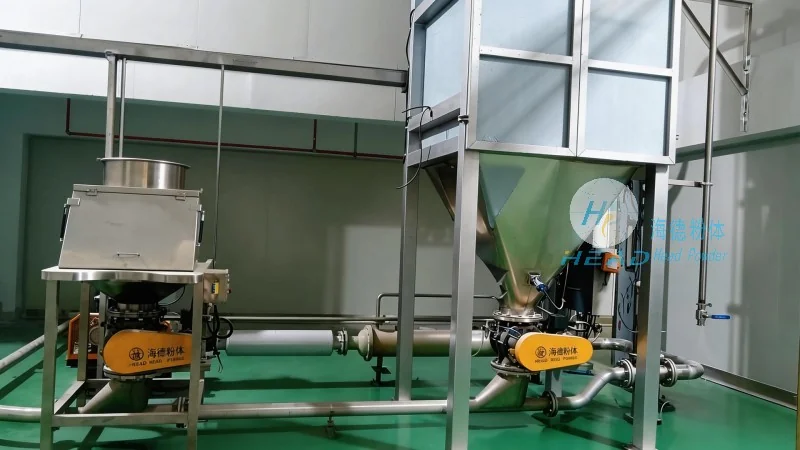
1. High Efficiency and Low Maintenance: The systems are engineered to operate with minimal downtime and require less maintenance compared to traditional mechanical conveying systems. This results in lower operational costs and increased productivity for the end-user.
2. Customizable Design: Shandong HeadPowder offers tailored solutions that can be adjusted to accommodate different quartz sand characteristics, such as particle size, moisture content, and bulk density. This ensures that the conveying system is optimized for the specific application, maximizing efficiency and minimizing energy consumption.
3. Environmental Friendliness: The enclosed design of the pneumatic conveying system helps to contain dust and prevent environmental pollution. Additionally, the systems can be equipped with filtration and dust collection mechanisms to further enhance environmental compliance.
4. Enhanced Safety: By eliminating the need for manual handling of quartz sand, pneumatic conveying reduces the risk of workplace accidents and exposure to dust-related health issues. The enclosed system also minimizes the risk of material spillage and contamination.
Conclusion
In conclusion, quartz sand pneumatic conveying is a highly effective and versatile method for transporting quartz sand in various industrial applications. The advantages of this technology, including efficiency, flexibility, and environmental friendliness, make it an attractive option for companies looking to improve their operational performance. With the expertise of companies like Shandong HeadPowder Engineering Co., Ltd., businesses can leverage advanced quartz sand pneumatic conveying systems to achieve higher productivity, lower costs, and enhanced safety in their production processes.




