When it comes to the efficient and reliable transportation of pigments, the design of a well-structured pneumatic conveying system is crucial. Such systems are essential for industries that rely on the precise handling of powdered materials, ensuring that pigments are moved from storage to processing units without loss or degradation. A properly designed system not only enhances operational efficiency but also minimizes downtime and maintenance costs.
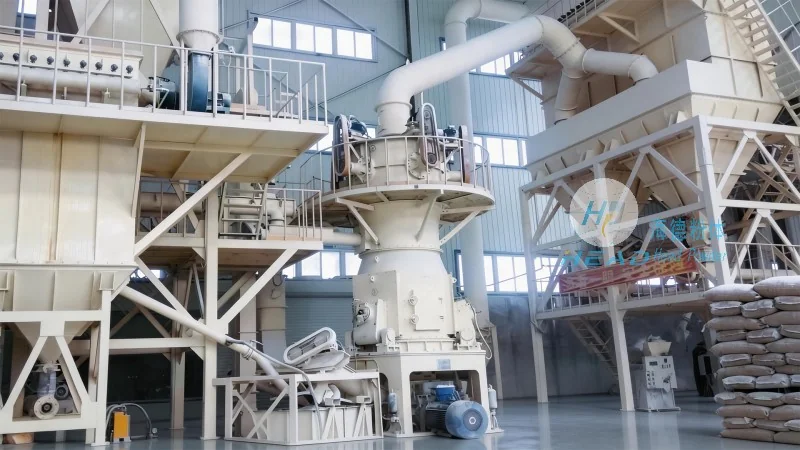
Key Considerations for Pigment Pneumatic Conveying System Design
Designing a pneumatic conveying system for pigments requires a thorough understanding of material properties, operational requirements, and system constraints. The first step involves assessing the specific characteristics of the pigment, such as particle size, moisture content, and flowability. These factors directly impact the choice of conveying method—whether it's a dilute-phase or dense-phase system—and the selection of appropriate equipment like blowers, cyclones, and filters.
System Components and Their Roles
The core components of a pneumatic conveying system for pigments include the material feed system, the conveying line, and the separation and collection units. The feed system, often equipped with hoppers and feeders, ensures a consistent and controlled flow of pigment into the system. The conveying line, which may consist of straight or curved pipes, is designed to handle the pressure and flow rates required for efficient transport. At the receiving end, cyclones and filters are critical for separating the pigment from the air stream, preventing dust emissions and maintaining product quality.
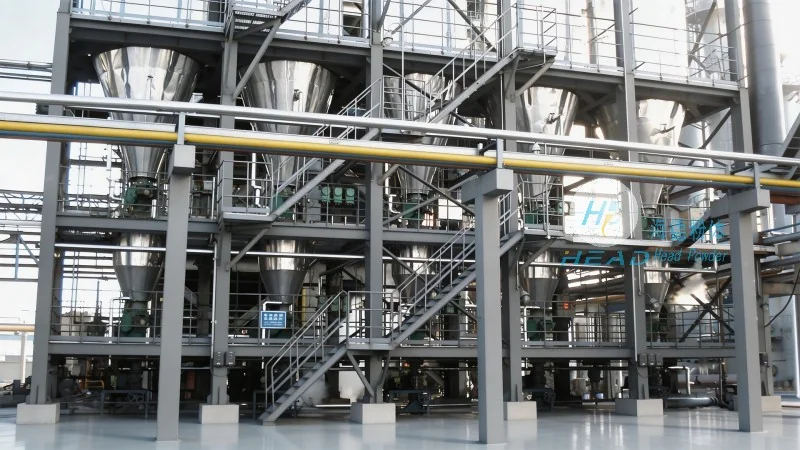
Design Process and Engineering Principles
The design process begins with a comprehensive analysis of the process requirements, including the desired throughput, distance of transport, and environmental regulations. Engineers from Shandong HeadPowder Engineering Co., Ltd. utilize advanced computational fluid dynamics (CFD) and material flow modeling to simulate the system's performance under various conditions. This approach allows for the optimization of system parameters, such as air velocity and pressure, to achieve the best balance between efficiency and energy consumption.
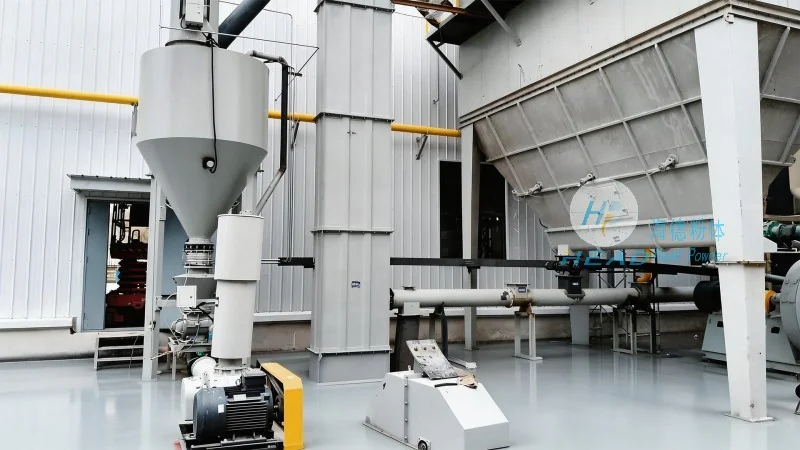
Material Handling and System Integration
For pigments, which can be sensitive to moisture and temperature changes, the system design must incorporate features that protect the material's integrity. This includes using insulated pipes, moisture-proof hoppers, and temperature-controlled zones. Additionally, the integration of the conveying system with existing production lines is crucial to ensure seamless operation. Shandong HeadPowder Engineering Co., Ltd. specializes in customizing systems that fit the unique needs of each client, from small-scale applications to large industrial operations.
Maintenance and Operational Guidelines
Proper maintenance is essential to keep the pneumatic conveying system running smoothly. Regular cleaning of filters, inspection of pipelines for blockages, and monitoring of blower performance are key maintenance tasks. Operational guidelines, such as proper start-up and shutdown procedures, help prevent system failures and extend the lifespan of components. By adhering to these guidelines, companies can ensure the long-term reliability and efficiency of their pigment handling systems.




