Urea granule pneumatic conveying systems are critical in modern industrial processes, particularly in the fertilizer and chemical sectors. These systems efficiently transport urea granules from storage to processing units, ensuring consistent material flow and operational efficiency. The design of such systems involves careful consideration of several key factors, including material properties, system pressure, and environmental conditions. By integrating advanced engineering principles and robust components, the system can achieve high reliability and minimal downtime.
Key Components and Their Functionality
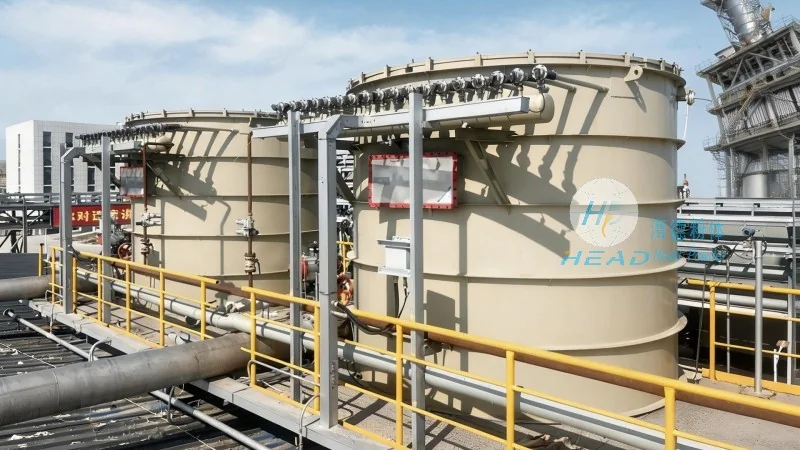
The core components of a urea granule pneumatic conveying system include the hopper, feeder, conveying line, and receiver. The hopper serves as the storage and feeding chamber, ensuring a steady supply of urea granules. The feeder, typically a rotary valve or screw feeder, controls the flow rate and prevents material bridging or clogging. The conveying line, often made of stainless steel or corrosion-resistant materials, transports the urea granules under pressure. The receiver collects the material at the destination point, maintaining a clean and organized system. Each component is designed to withstand the abrasive nature of urea granules and the potential for moisture or chemical exposure.
System Design Considerations for Efficiency and Reliability
Efficiency in urea granule pneumatic conveying systems is achieved through optimized pressure levels and flow rates. The system operates under positive or negative pressure, depending on the application. Positive pressure systems are common for long-distance or high-volume transport, as they can maintain consistent material flow without the risk of external contamination. Negative pressure systems are suitable for applications requiring dust control and environmental protection. The design also considers the size and density of the urea granules, as these factors influence the required air velocity and pressure. Proper sizing of the conveying line and air handling equipment ensures minimal energy consumption and maximum throughput.
Application in Fertilizer Production and Distribution
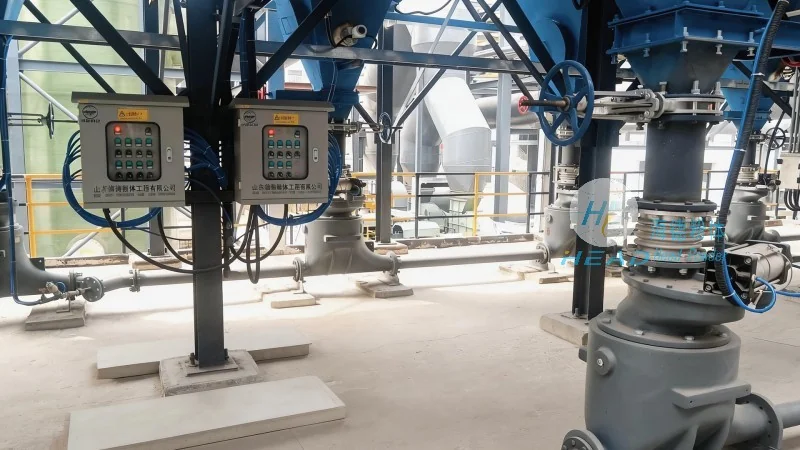
Urea granule pneumatic conveying systems are widely used in fertilizer production facilities to move urea from storage silos to blending and packaging units. The systems enable seamless integration with other processing equipment, such as mixers and granulators, enhancing overall production line efficiency. In distribution centers, these systems facilitate the transfer of urea granules to trucks or storage tanks, ensuring timely delivery to agricultural markets. The reliability of the system is crucial in maintaining production schedules and meeting customer demand, as any downtime can lead to significant financial losses.
Advantages of Pneumatic Conveying Over Traditional Methods
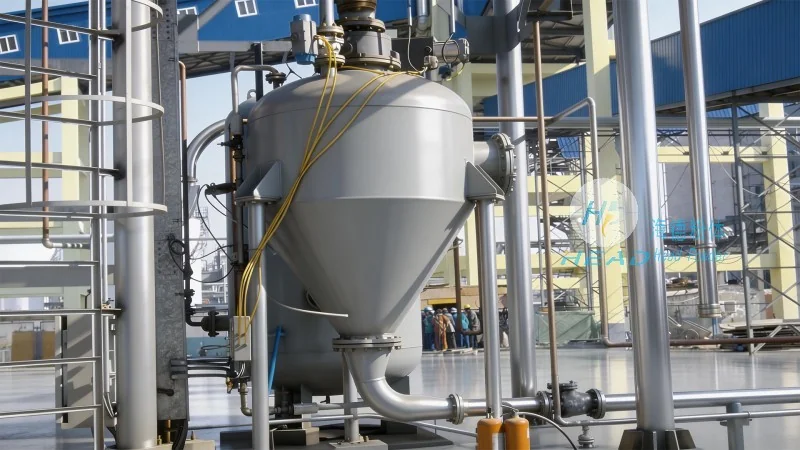
Compared to traditional conveyor belts or bucket elevators, pneumatic conveying offers several advantages for urea granule transport. The system eliminates the need for mechanical contact with the material, reducing wear and tear on equipment and minimizing the risk of contamination. It also allows for flexible routing, enabling the system to adapt to changes in production layouts or facility expansions. Additionally, pneumatic conveying systems can handle varying material flow rates, making them suitable for both small-scale and large-scale operations. The ability to control air pressure and flow provides precise regulation of material movement, ensuring consistent quality and performance.
Maintenance and Operational Best Practices
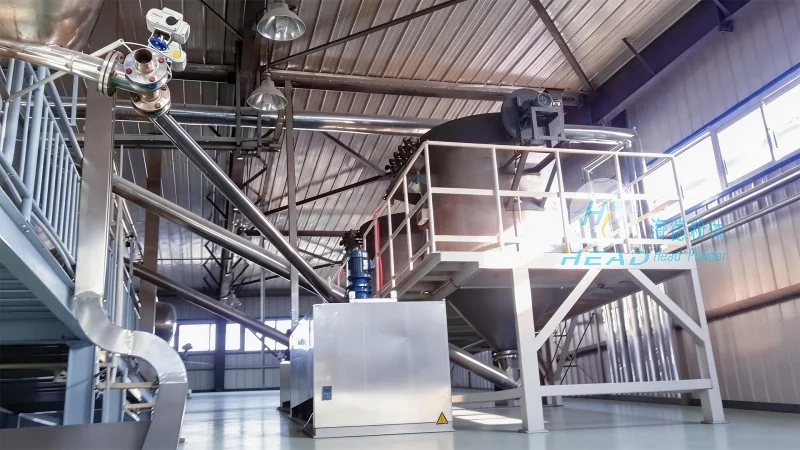
Regular maintenance is essential to ensure the long-term performance and reliability of a urea granule pneumatic conveying system. Key maintenance tasks include inspecting and cleaning the conveying line, checking the condition of the hopper and feeder, and monitoring air pressure and flow rates. Preventive maintenance schedules should be established to address potential issues before they lead to system failures. Operational best practices include proper material handling, avoiding overloading the system, and ensuring the correct air pressure settings. By following these guidelines, the system can achieve high availability and minimal maintenance costs, contributing to overall operational efficiency.
Conclusion and Company Overview
Urea granule pneumatic conveying systems are a vital component of modern industrial operations, providing efficient and reliable transport of urea granules. The design and implementation of these systems require careful engineering and attention to detail to ensure optimal performance. Shandong HeadPowder Engineering Co., Ltd., a leading provider in this field, specializes in the design, manufacturing, and installation of such systems. With a focus on quality and customer satisfaction, the company has built a reputation for delivering robust and efficient solutions tailored to the specific needs of its clients. HeadPowder's expertise in pneumatic conveying technology ensures that clients receive systems that meet the highest standards of performance and reliability, supporting their production and distribution operations effectively.




