

Application and Optimization of Pneumatic Conveying Technology in Seaweed Residue Particle Conveying
Seaweed residue, a byproduct of marine biomass processing, presents unique challenges in material handling due to its granular nature and varying moisture content. Traditional methods like belt conveyors or screw conveyors often struggle with the abrasive and hygroscopic properties of seaweed waste, leading to equipment wear and operational inefficiencies. Pneumatic conveying technology offers a robust alternative that utilizes air pressure to transport particles through pipelines, enhancing both safety and process reliability.
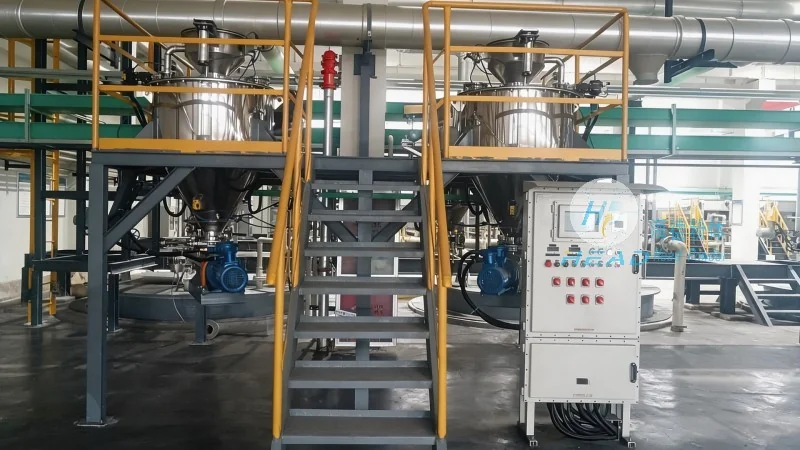
Key Advantages of Pneumatic Conveying for Seaweed Residue
HeadPowder Engineering, a leading provider of industrial material handling solutions, specializes in designing customized pneumatic conveying systems tailored to the specific demands of seaweed residue processing. The company’s expertise lies in optimizing system performance through advanced engineering, ensuring minimal material degradation and maximum throughput. Key advantages include:
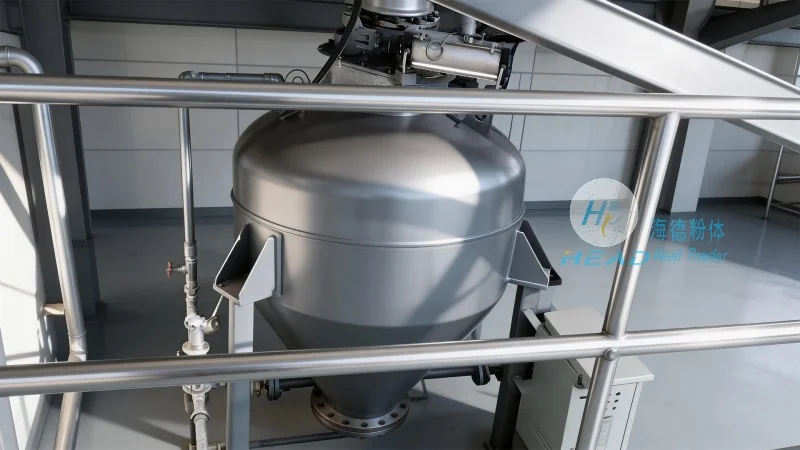
- Reduced equipment wear and maintenance costs due to the absence of mechanical contact between particles and conveyors.
- Enhanced safety by eliminating the need for open conveyors, which can pose risks from dust or airborne particles.
- Flexibility in system layout, allowing for complex routing and integration with existing processing facilities.
- Improved process control through precise air pressure regulation, enabling consistent particle flow and reduced product loss.
Customized System Design for Optimal Performance
At Shandong HeadPowder Engineering Co., Ltd., the design process begins with a thorough analysis of the client's operational requirements, including the type and quantity of seaweed residue, processing capacity, and site layout. Engineers employ computational fluid dynamics (CFD) and material flow analysis to model the conveying system, ensuring optimal air velocity, pressure, and pipeline dimensions. This approach minimizes energy consumption while maximizing efficiency, aligning with the company's commitment to sustainable industrial practices.
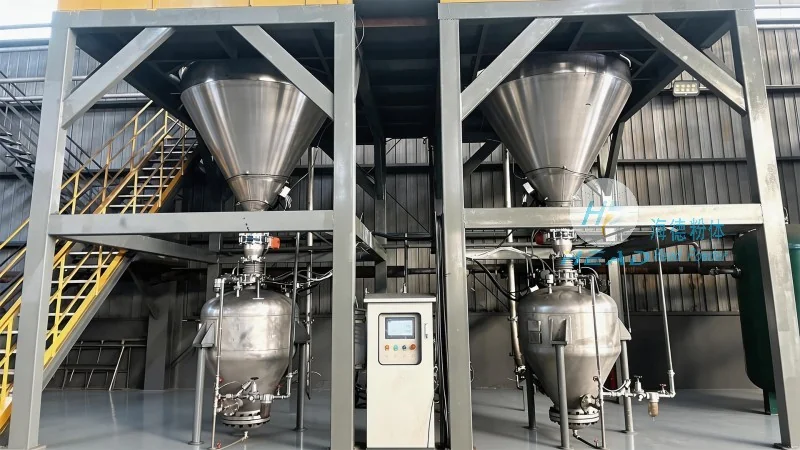
Integration with Processing Workflows
Pneumatic conveying systems from HeadPowder are designed to seamlessly integrate with downstream processing steps, such as drying, pelletizing, or biofuel production. The technology facilitates smooth transitions between stages, maintaining product quality and preventing contamination. For example, in a seaweed residue-to-biochar conversion process, the conveying system can transport raw material directly to a dryer or reactor, streamlining the overall production line and reducing handling time.
Company Overview and Expertise
HeadPowder, operating from China, has established itself as a trusted partner in the development of efficient material handling solutions for marine and agricultural industries. With a focus on innovation and customer-centric design, the company has successfully implemented pneumatic conveying systems for clients across various sectors, including food processing, waste management, and renewable energy. The team of engineers and technicians at Shandong HeadPowder Engineering Co., Ltd. brings decades of experience in fluid dynamics and industrial automation, ensuring that each project meets the highest standards of performance and reliability.
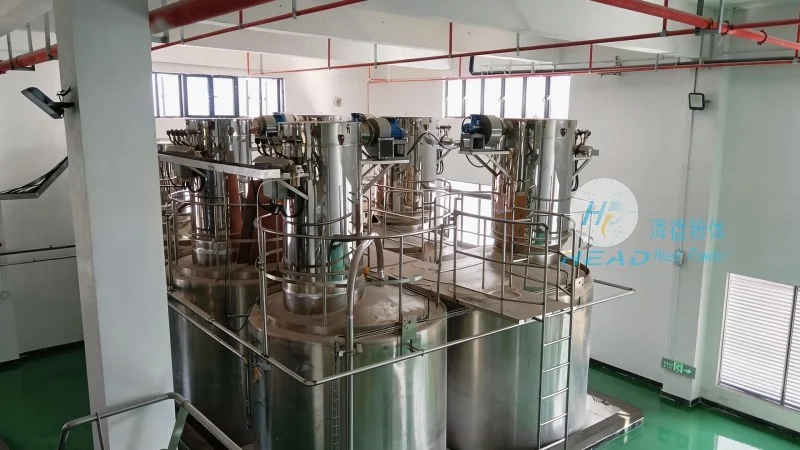
Conclusion: Enhancing Efficiency in Seaweed Residue Management
As the demand for sustainable waste management and renewable energy sources grows, the application of advanced pneumatic conveying technology becomes increasingly critical. HeadPowder Engineering's customized solutions for seaweed residue handling not only improve operational efficiency but also contribute to environmental sustainability by reducing waste and optimizing resource utilization. By leveraging the expertise of Shandong HeadPowder Engineering Co., Ltd., industries can achieve reliable, cost-effective, and environmentally responsible material handling systems that support long-term growth and innovation.