Shandong HeadPowder Engineering Co., Ltd., also known as headpowder, is a professional manufacturer specializing in pneumatic conveying systems, with its headquarters located in Shandong, China. The company specializes in the design, manufacturing, and installation of advanced systems for handling copper powder and other fine particulate materials. This article provides an in-depth look at the principles underlying copper powder pneumatic conveying systems and highlights the key characteristics of their operational scenarios.
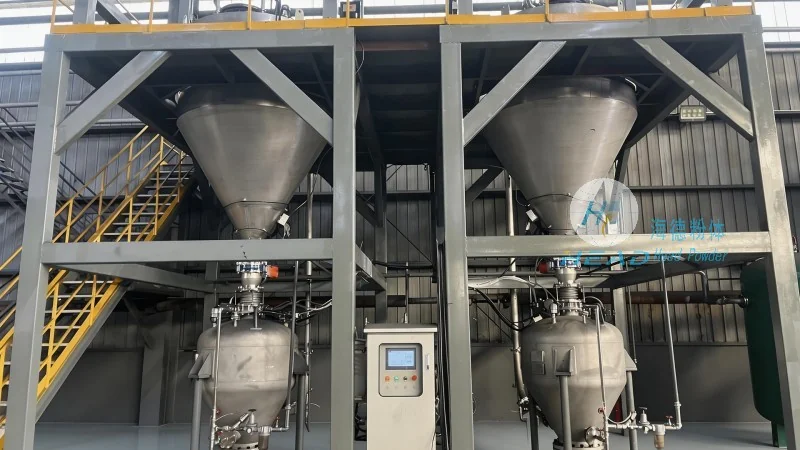
Understanding the Core Principles of Copper Powder Pneumatic Conveying Systems
Pneumatic conveying systems are widely used in industrial applications to transport bulk materials like copper powder through a network of pipes using air or other gases. The fundamental principle of this technology involves creating a flow of air that moves the powder particles through the system. There are two primary types of pneumatic conveying systems: positive pressure and negative pressure. Positive pressure systems use a blower to generate air pressure that pushes the material through the pipeline, while negative pressure systems employ a vacuum to draw the material into the system. For copper powder, which is often fine and abrasive, the choice of system type and components is critical to ensure efficient and reliable operation.
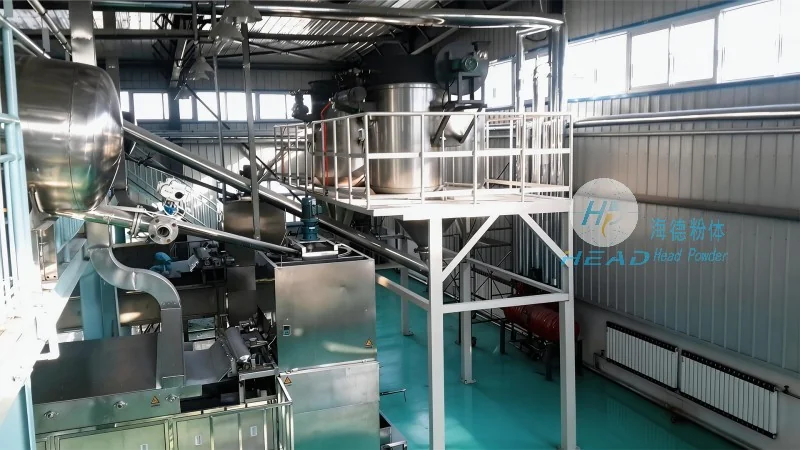
Key Components and Their Functions in Copper Powder Pneumatic Conveying
The effectiveness of a copper powder pneumatic conveying system depends on several key components. The first is the air compressor or blower, which provides the necessary air pressure or vacuum. For copper powder, which may have varying particle sizes and moisture content, the compressor must be capable of handling these variations without causing clogging or degradation of the material. The second critical component is the pipeline system, which includes straight sections, bends, and fittings designed to minimize pressure loss and prevent material buildup. Copper powder is often sensitive to friction and abrasion, so the use of smooth, corrosion-resistant materials like stainless steel for the pipelines is essential. Additionally, the system includes a material feeder, which can be a rotary valve or a hopper with a metering device, to control the flow rate of the copper powder into the pipeline. The feeder must be designed to handle the specific characteristics of copper powder, such as its density and flowability, to ensure consistent and controlled feeding. A separation and collection system is also integral, which typically includes a cyclone separator or a bag filter to remove the copper powder from the air stream and collect it in a designated container. This component is crucial for maintaining air quality and preventing dust emissions, which is particularly important when handling copper powder due to its potential for creating hazardous dust clouds.
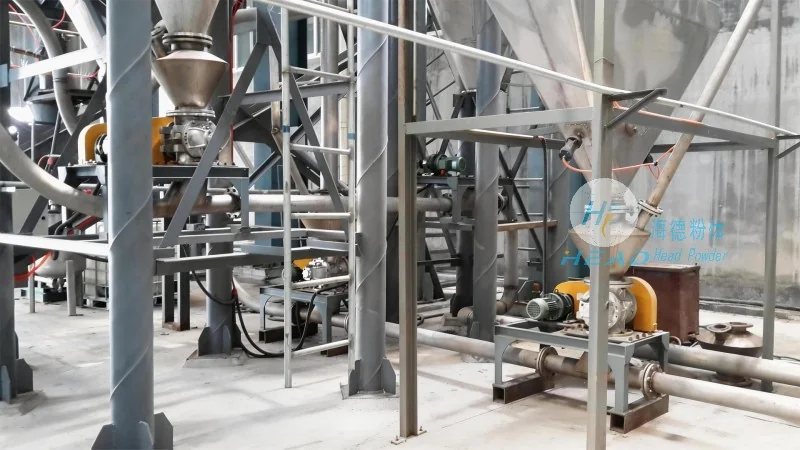
Operational Scenarios and Application Characteristics
The working scene characteristics of copper powder pneumatic conveying systems are shaped by the diverse industrial environments where they are applied. These systems are commonly used in copper processing facilities, where they facilitate the transport of copper powder from grinding and milling operations to storage silos or further processing equipment. In such scenarios, the system must be capable of handling high volumes of material with minimal downtime, as any interruption can disrupt the entire production line. Another common application is in the electronics manufacturing industry, where copper powder is used as a raw material for printed circuit boards (PCBs) and other components. Here, the system must ensure that the copper powder is delivered with high purity and low contamination, as even small amounts of impurities can affect the quality of the final product. The operational scenarios also include applications in the chemical and metallurgical industries, where copper powder is used in the production of copper alloys or as a catalyst. In these cases, the system must be designed to handle the specific chemical properties of the copper powder and the surrounding environment, such as temperature and humidity, to prevent material degradation or equipment corrosion.
Advantages and Considerations for Copper Powder Pneumatic Conveying
One of the primary advantages of copper powder pneumatic conveying systems is their ability to transport materials over long distances with minimal manual intervention. This reduces labor costs and improves operational efficiency compared to traditional methods like bucket elevators or belt conveyors. Additionally, pneumatic conveying systems are more flexible in terms of layout, as they can be installed in various configurations to suit the specific needs of the facility. They also offer better control over the material flow rate, which is essential for maintaining consistent production processes. However, there are also considerations to keep in mind when implementing such systems. For copper powder, which is often fine and abrasive, the system components must be regularly inspected and maintained to prevent wear and tear. This includes checking the condition of the pipelines, the efficiency of the separation system, and the performance of the air compressor. Furthermore, the system must comply with local regulations regarding dust emissions and air quality, as copper powder can be a health hazard if not handled properly. Overall, the choice of a copper powder pneumatic conveying system depends on the specific requirements of the application, including the volume of material to be transported, the distance, and the environmental conditions.
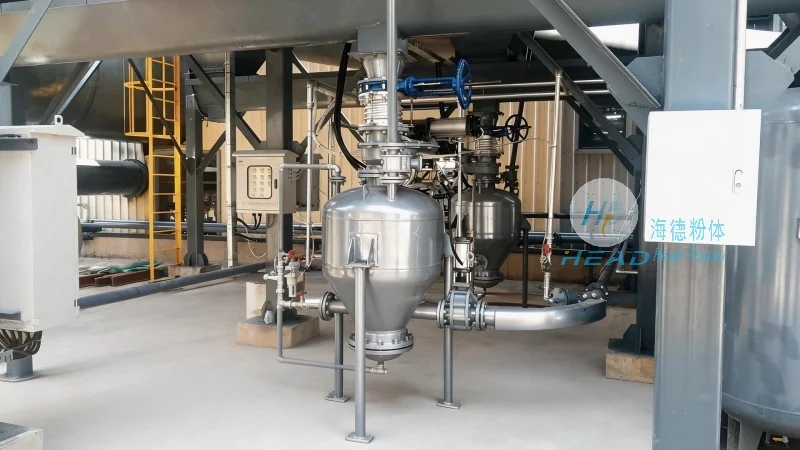
Conclusion: The Role of headpowder in Providing Advanced Copper Powder Pneumatic Conveying Solutions
Shandong HeadPowder Engineering Co., Ltd. plays a crucial role in providing advanced copper powder pneumatic conveying systems that meet the demanding needs of various industrial applications. By leveraging their expertise in material handling and pneumatic technology, headpowder designs and manufactures systems that are efficient, reliable, and tailored to the specific characteristics of copper powder. The company's commitment to quality and innovation ensures that their systems are capable of handling the challenges associated with copper powder transport, such as abrasion, dust generation, and material variability. As the demand for efficient and sustainable material handling solutions continues to grow, headpowder remains at the forefront of developing advanced pneumatic conveying systems that enhance productivity and safety in copper processing and related industries.




