Shandong HeadPowder Engineering Co., Ltd., a leading provider of pneumatic conveying solutions, specializes in optimizing systems for handling light calcium carbonate. With years of experience in the industry, HeadPowder understands the unique challenges associated with transporting fine materials like light calcium carbonate and offers tailored solutions to prevent pipeline blockages.
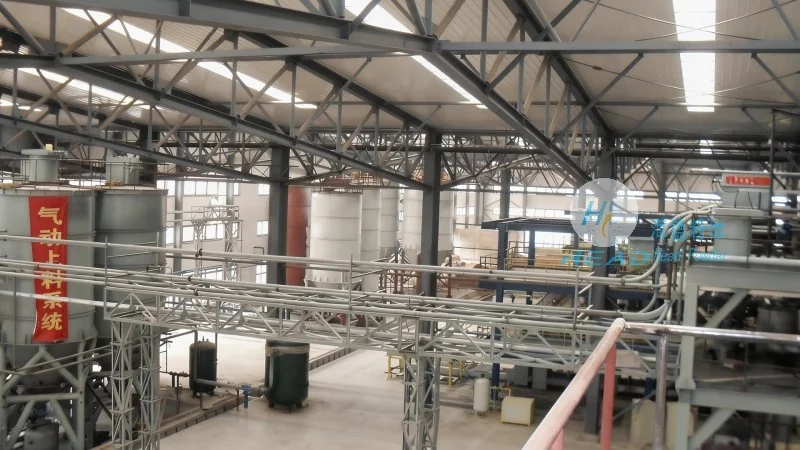
Preventing Pipeline Blockages in Pneumatic Conveying Systems for Light Calcium Carbonate
When handling light calcium carbonate using pneumatic conveying systems, preventing pipeline blockages is a critical challenge. The design and operation of the system play pivotal roles in ensuring smooth material flow and maintaining system efficiency. This article explores effective strategies and key design parameters to mitigate blockages and optimize the performance of pneumatic conveying systems for light calcium carbonate.
Understanding the Risks of Pipeline Blockages in Light Calcium Carbonate Conveying
Light calcium carbonate, with its fine particle size and low bulk density, poses unique challenges during pneumatic transport. Blockages can occur due to agglomeration, particle bridging, or inadequate air velocity, leading to system downtime, increased maintenance costs, and potential equipment damage. Preventing these issues requires a comprehensive approach that addresses both material properties and system design.
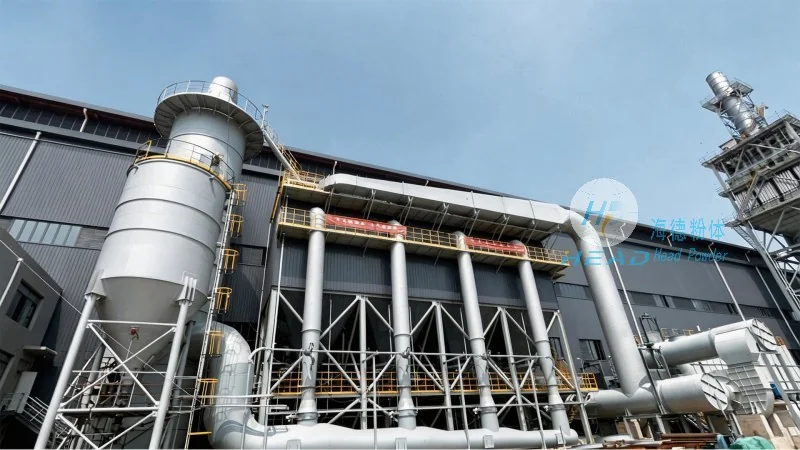
Key Design Parameters for Preventing Blockages in Pneumatic Conveying
Several critical design parameters must be carefully considered to minimize the risk of pipeline blockages in light calcium carbonate systems. These parameters directly influence the air flow dynamics and material transport efficiency.
Pipeline Diameter and Material Flow Rate
The diameter of the conveying pipeline is a fundamental factor affecting blockage risk. Larger diameters generally reduce the likelihood of blockages by providing sufficient space for particle movement and reducing frictional forces. However, excessively large diameters may increase system costs and energy consumption. The material flow rate, or the amount of light calcium carbonate being conveyed per unit time, must also be optimized. An appropriate flow rate ensures that the air velocity remains within the optimal range for preventing agglomeration while maintaining efficient transport.
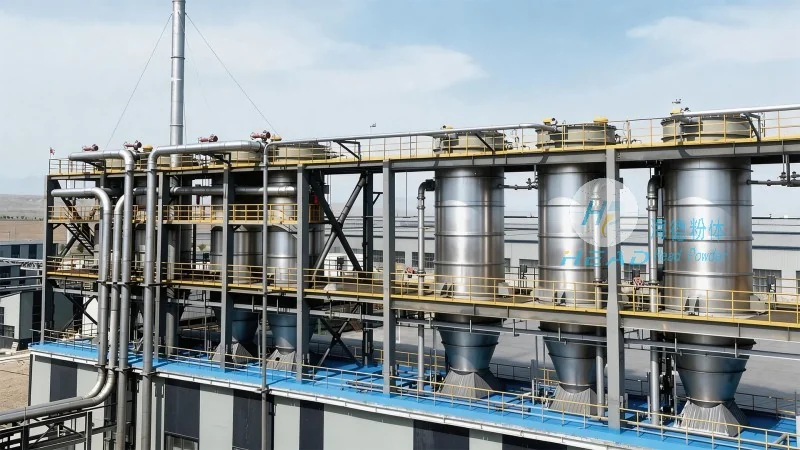
Air Velocity and Pressure
Air velocity is a critical parameter that directly impacts the ability of the system to move light calcium carbonate particles through the pipeline. Insufficient air velocity can lead to particle settling and blockages, while excessively high velocity may cause erosion of the pipeline and increased energy consumption. The optimal air velocity for light calcium carbonate typically ranges between 20 to 30 meters per second, depending on the particle size and density. System pressure, often measured in bars or psi, must be sufficient to maintain the required air velocity and overcome any resistance in the pipeline.
Material Characteristics and Conditioning
The physical and chemical properties of light calcium carbonate significantly influence blockage susceptibility. Fine particles are more prone to agglomeration, which can lead to blockages if not properly managed. Conditioning the material, such as adding anti-agglomerants or using pre-drying techniques, can improve flowability and reduce the risk of blockages. Additionally, the moisture content of the material should be controlled to prevent clumping and ensure consistent particle size distribution.
System Layout and Bends
The layout of the pneumatic conveying system, including the number and angle of bends, affects the risk of blockages. Sharp bends can cause particle accumulation and increase the likelihood of blockages. Using smooth, gradual bends with appropriate radii and incorporating vibration or agitation devices at bends can help maintain material flow and prevent blockages. The vertical and horizontal sections of the pipeline should also be designed to minimize the risk of particle settling and ensure continuous transport.
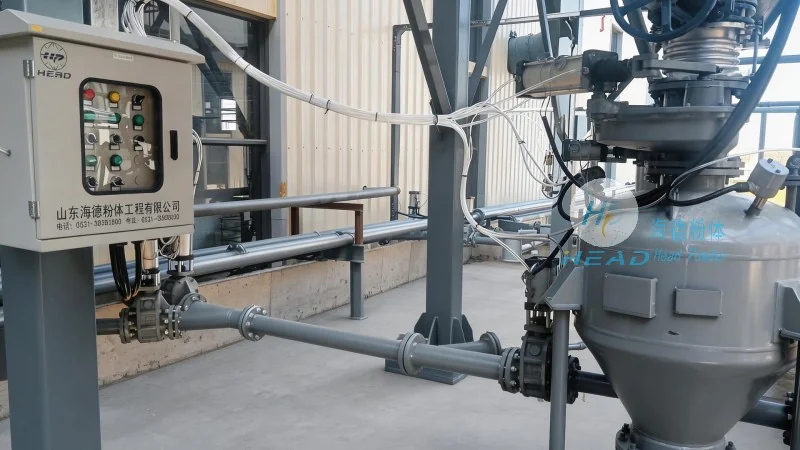
Operational Strategies to Enhance System Performance
Beyond design parameters, operational strategies play a crucial role in preventing pipeline blockages. Regular maintenance, including cleaning the pipeline and checking for wear and tear, is essential to maintain system efficiency. Monitoring system performance, such as air pressure and flow rate, allows for timely adjustments to prevent issues before they escalate into blockages. Additionally, training operators on proper system operation and troubleshooting can help identify and address potential problems early.
Conclusion
Preventing pipeline blockages in pneumatic conveying systems for light calcium carbonate requires a combination of careful system design and effective operational practices. By optimizing key parameters such as pipeline diameter, air velocity, material characteristics, and system layout, and implementing appropriate operational strategies, the risk of blockages can be significantly reduced. This not only enhances system efficiency but also minimizes downtime and maintenance costs, ensuring reliable and cost-effective transport of light calcium carbonate.




