When handling rare earth crystal powders via pneumatic conveying systems, preventing pipeline blockages is a critical challenge. The unique properties of these powders, such as their fine particle size and cohesive nature, can lead to clogging if the system design is not optimized. This article explores effective strategies to mitigate blockages and highlights key design parameters that ensure smooth operation in rare earth crystal powder transport.
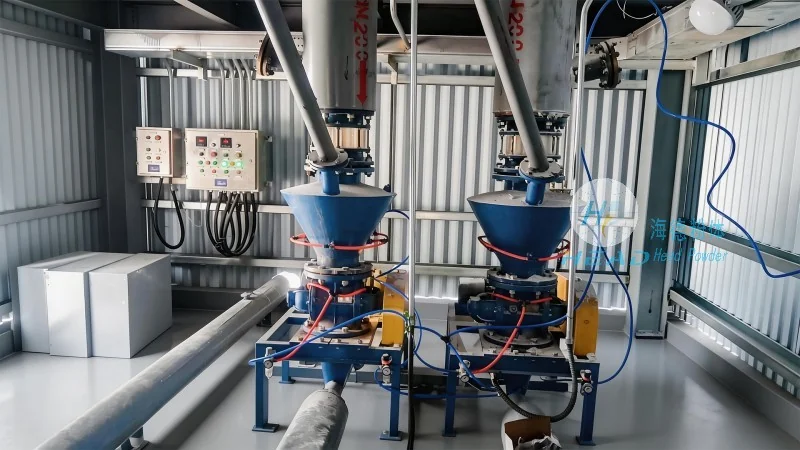
As a leading engineering firm in the field, Shandong HeadPowder Engineering Co., Ltd. specializes in designing and implementing customized pneumatic conveying solutions tailored to the demands of rare earth processing industries. With decades of experience, the company's expertise lies in balancing operational efficiency with system reliability, addressing the specific challenges posed by rare earth crystal powders.
Key Design Parameters for Preventing Blockages in Rare Earth Crystal Powder Pneumatic Conveying
The success of a pneumatic conveying system for rare earth crystal powders hinges on several critical design parameters. These parameters are carefully selected to match the physical and chemical properties of the powder, ensuring optimal flow and preventing the buildup of material that leads to blockages. The primary factors include:
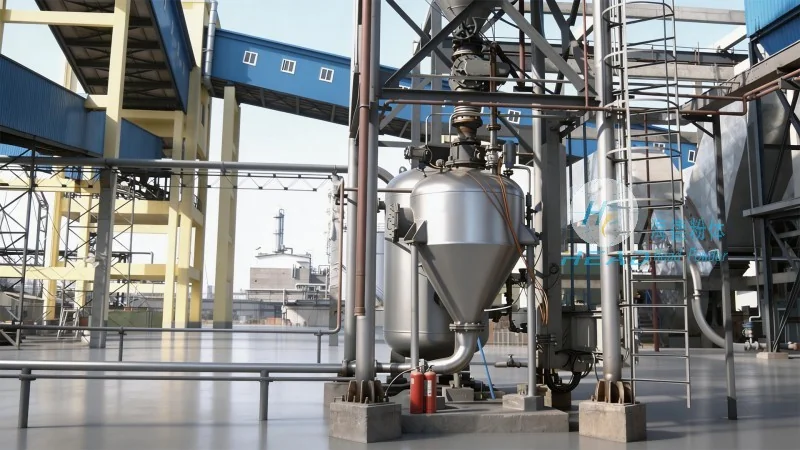
1. **Air Velocity and Flow Rate**: Maintaining an appropriate air velocity is fundamental to preventing clogging. Insufficient air velocity can cause the powder to settle and form agglomerates, while excessive velocity may lead to particle attrition and system wear. Shandong HeadPowder Engineering Co., Ltd. conducts thorough calculations based on the powder's bulk density, particle size distribution, and moisture content to determine the optimal air velocity and flow rate for each application.
2. **Pipeline Diameter and Length**: The diameter of the conveying pipeline directly impacts the pressure drop and flow characteristics. Larger diameters reduce friction losses and the risk of blockage, but they increase system cost and space requirements. The length of the pipeline also affects the overall pressure requirements; longer pipelines necessitate higher air pressure or additional booster units to maintain flow. The company's engineers use computational fluid dynamics (CFD) simulations to model the system and select the most suitable diameter and length for the specific rare earth crystal powder being transported.
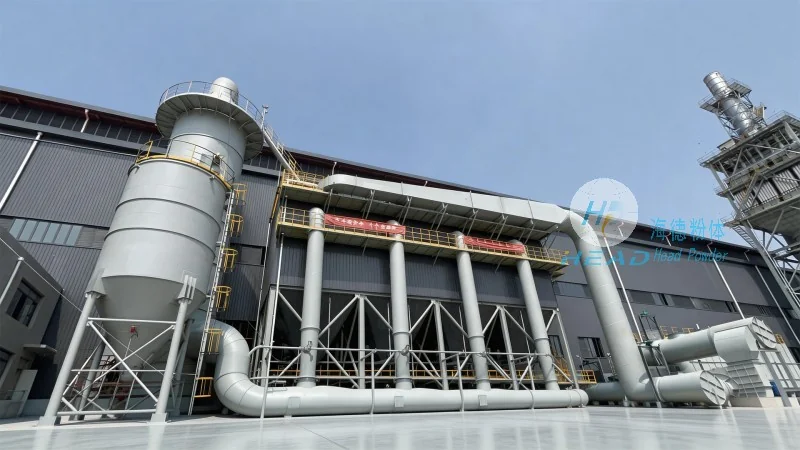
3. **Pressure Control and System Configuration**: Effective pressure management is essential to prevent over-pressurization, which can cause pipe rupture or material spillage. The system typically includes pressure relief valves, flow meters, and pressure sensors to monitor and regulate the air pressure. Shandong HeadPowder Engineering Co., Ltd. designs integrated control systems that adjust air pressure in real-time based on the powder flow rate, ensuring stable operation and minimizing the risk of blockages.
4. **Powder-Air Ratio and Solids Loading**: The ratio of powder to air (solids loading) is a critical parameter that influences the system's performance. An optimal solids loading ensures that the powder is fully suspended by the air stream, reducing the likelihood of particle deposition. Overloading the system with too much powder can lead to slugging and blockages, while underloading may result in inefficient use of air and increased energy consumption. The company's engineers calculate the ideal solids loading based on the powder's flowability and the system's air capacity, optimizing both performance and energy efficiency.
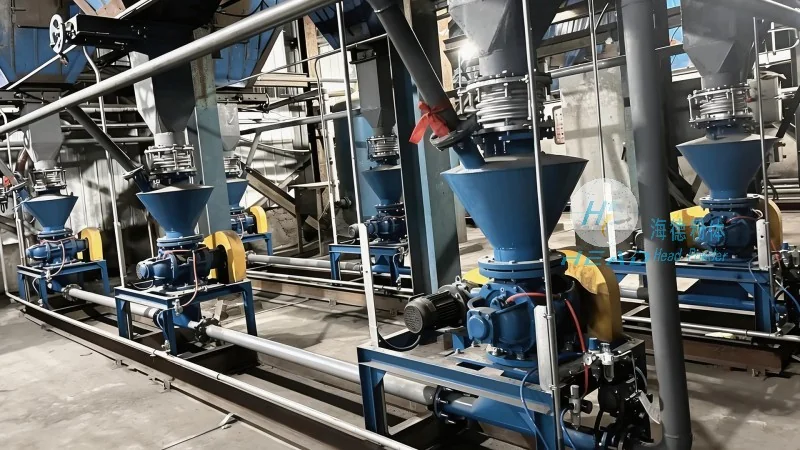
5. **Material Selection for Components**: The choice of materials for pipeline, valves, and other components is crucial, as rare earth crystal powders can be abrasive and corrosive. Stainless steel, particularly 316L, is commonly used for its resistance to corrosion and wear. The company selects high-quality materials that are compatible with the powder's chemical properties, ensuring long-term system reliability and preventing material degradation that could contribute to blockages.
Conclusion and Expertise from Shandong HeadPowder Engineering Co., Ltd.
Preventing pipeline blockages in pneumatic conveying systems for rare earth crystal powders requires a comprehensive approach that integrates advanced design principles with a deep understanding of the material's characteristics. Shandong HeadPowder Engineering Co., Ltd. leverages its expertise in powder handling and pneumatic conveying technology to develop customized solutions that address the unique challenges of rare earth processing. By focusing on key design parameters such as air velocity, pipeline dimensions, pressure control, and material selection, the company ensures that its clients achieve reliable, efficient, and safe operation of their rare earth crystal powder transport systems. With a commitment to quality and innovation, Shandong HeadPowder Engineering Co., Ltd. continues to set industry standards in the design and implementation of pneumatic conveying systems for critical applications like rare earth processing.




