For industries handling powdered glucose, efficient material transport is critical. Pneumatic conveying systems offer a solution, yet preventing pipeline blockages remains a key challenge. This article examines strategies to avoid blockages in such systems and highlights essential design parameters that ensure smooth operation.
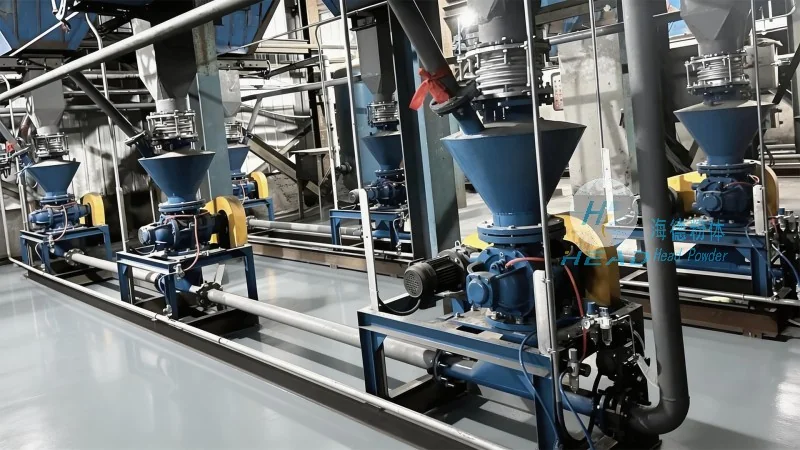
Challenges in Powdered Glucose Pneumatic Conveyance
Powdered glucose, with its fine particle size and hygroscopic nature, presents unique difficulties during pneumatic transport. Agglomeration, caking, and increased friction within the pipeline raise the risk of blockages. Proper system design is vital to mitigate these risks and maintain consistent material flow.
Key Design Parameters for Blockage Prevention
Multiple critical design parameters influence the performance of pneumatic conveying systems for powdered glucose, addressing material characteristics and operational needs.
System Pressure and Flow Rate
The pressure and flow rate within the system directly affect material movement. Higher pressure and optimized flow rates keep powder suspended, reducing accumulation risks. Design must balance the minimum pressure needed to overcome friction with avoiding excessive pressure that could damage components.
Pipeline Diameter and Material Properties
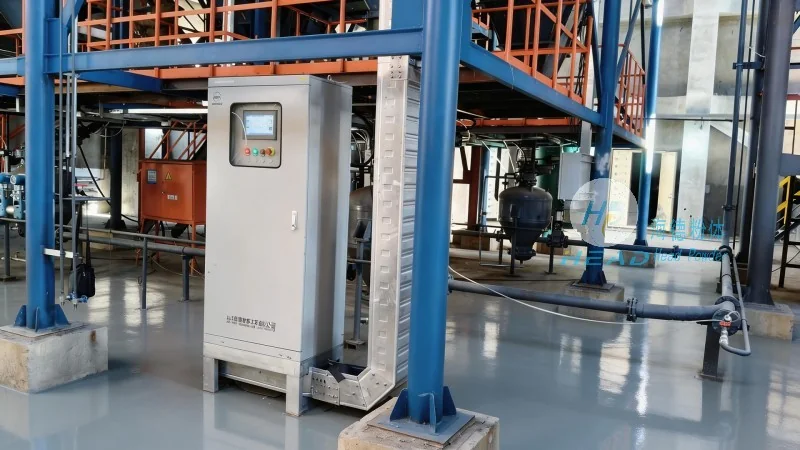
Pipeline diameter is a critical factor. Larger diameters minimize friction and prevent clogging. However, the diameter must align with particle size and density. Smaller particles may need larger diameters to prevent clogging. Flowability, angle of repose, and bulk density are also essential for determining the right pipe size.
Gas-Solid Ratio and Air Velocity
The gas-solid ratio (air volume to material volume) is crucial. An optimal ratio ensures full suspension of powder, preventing settlement. Air velocity must be sufficient to keep particles in motion without causing excessive wear or energy waste. Proper calculation of this ratio and velocity is key to efficient, blockage-free operation.
Pipeline Layout and Bends
The pipeline layout, including bends, impacts blockage risk. Sharp bends cause particle settling and accumulation. Designing with gradual bends and sufficient straight sections maintains material momentum. Strategic cleaning mechanisms (e.g., air knives, vibrators) also help remove buildup.
Material Conditioning
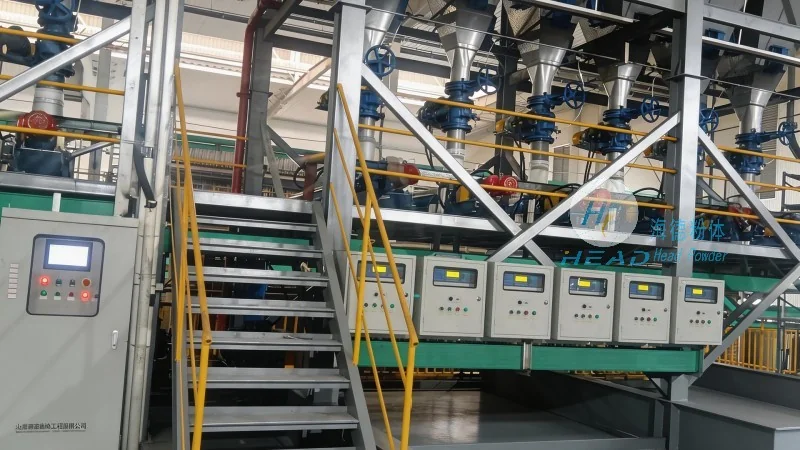
Pre-treating powdered glucose—such as drying or adding anti-caking agents—improves flowability and reduces agglomeration. Conditioning before transport keeps material free-flowing, minimizing blockage risks, especially for hygroscopic materials prone to moisture absorption.
Maintenance and Monitoring
Regular maintenance and real-time monitoring are essential. Cleaning pipelines, checking component wear, and tracking pressure/flow rates detect issues early. This proactive approach prevents major blockages and ensures system reliability.
Conclusion
Preventing pipeline blockages in pneumatic conveying systems for powdered glucose requires a holistic approach, integrating pressure optimization, pipeline design, gas-solid ratio management, and material conditioning. Shandong HeadPowder Engineering Co., Ltd., a specialist in pneumatic conveying solutions, designs and implements systems tailored to powdered glucose transport, ensuring efficient operation and minimal downtime.




