When it comes to transporting corn starch through pneumatic conveying systems, preventing pipeline blockages is a critical challenge that can significantly impact operational efficiency and product quality. Corn starch, with its fine particle size and tendency to agglomerate, requires careful consideration of design parameters to ensure smooth and reliable material flow. This article explores the key design parameters that contribute to effective prevention of blockages in corn starch conveying systems, with a focus on the expertise of Shandong HeadPowder Engineering Co., Ltd., a leading provider in the field.
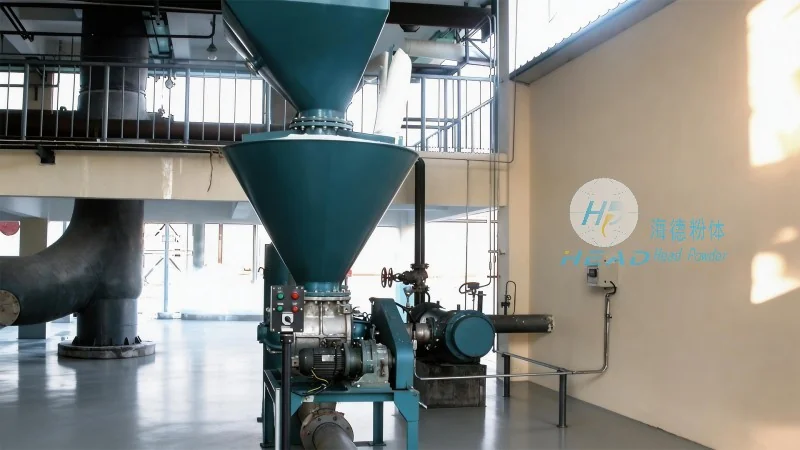
Understanding the Challenges of Corn Starch Conveying
Corn starch, a widely used industrial material, presents unique challenges when handled via pneumatic conveying. Its fine particle size and hygroscopic nature can lead to caking and agglomeration, which are primary causes of pipeline blockages. Additionally, the high moisture content in some corn starch varieties can affect the material's flowability, making it essential to optimize system design for consistent performance. The consequences of blockages can be severe, including downtime, equipment damage, and increased maintenance costs, underscoring the importance of proactive design measures.
Key Design Parameters for Preventing Blockages
Several critical design parameters must be carefully evaluated and optimized to prevent blockages in corn starch pneumatic conveying systems. These parameters include:
1. Pipeline Diameter and Length: The diameter of the conveying pipeline is a fundamental factor. Larger diameters reduce the risk of blockages by providing more space for particles to move freely, while excessive length can increase the likelihood of material settling. Shandong HeadPowder Engineering Co., Ltd. recommends selecting a diameter that balances material flow rate with system pressure requirements, typically ranging from 50mm to 200mm depending on the specific application.
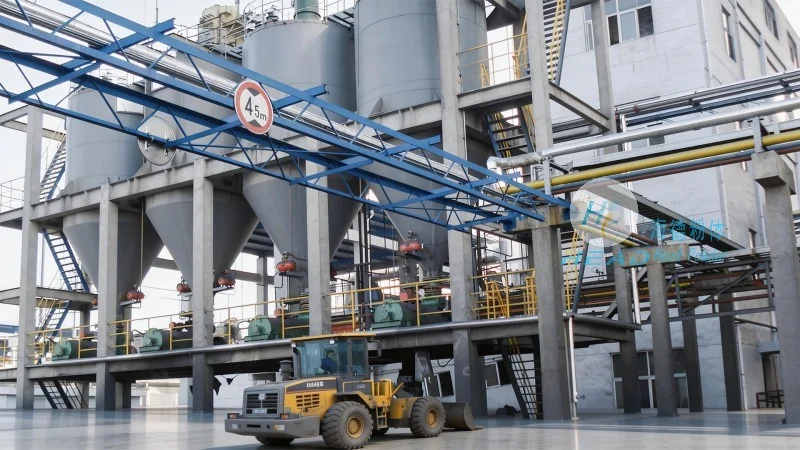
2. Air Velocity and Flow Rate: Maintaining an appropriate air velocity is crucial. Insufficient air velocity can cause the corn starch to settle and form a plug, whereas excessively high velocity may lead to particle attrition and system wear. The optimal air velocity is determined by the material's properties, such as particle size and density, and is typically calculated based on the "minimum fluidization velocity" and "terminal velocity" of the corn starch particles. The flow rate must also be matched to the system's capacity to avoid overloading the pipeline.
3. Pressure and System Design: The pressure within the pneumatic system plays a vital role in preventing blockages. Higher pressure can help maintain the material in suspension, reducing the risk of clogging. However, excessive pressure can increase energy consumption and equipment stress. Shandong HeadPowder Engineering Co., Ltd. emphasizes the importance of a well-designed pressure control system that ensures consistent pressure levels throughout the conveying process.
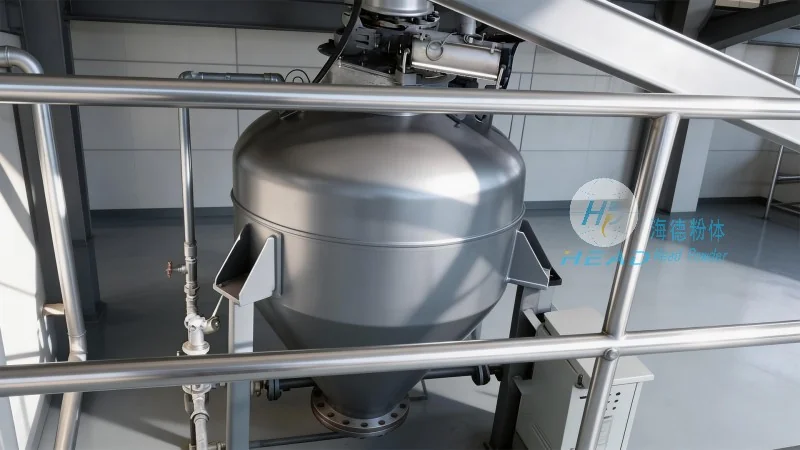
4. Material Handling Equipment: The type and condition of equipment used for material loading and unloading can impact blockage risk. Properly designed feeders and hopper systems help maintain a consistent flow of corn starch into the pipeline, preventing surges that could lead to blockages. Additionally, regular maintenance of equipment, such as cleaning and inspection of filters and valves, is essential to prevent debris buildup that may cause clogs.
Best Practices for Corn Starch Pneumatic Conveying
Implementing best practices in system operation and maintenance further enhances the prevention of blockages. Regular monitoring of system performance, including pressure and flow rates, allows for early detection of potential issues. Additionally, incorporating cleaning mechanisms, such as pulse jets or reverse flow systems, can help clear minor blockages and maintain system efficiency. Shandong HeadPowder Engineering Co., Ltd. advises that a comprehensive approach, combining optimal design parameters with diligent maintenance, is key to ensuring long-term reliability in corn starch conveying operations.
Conclusion
Preventing pipeline blockages in corn starch pneumatic conveying systems requires a holistic approach that considers material properties, system design, and operational practices. By focusing on key design parameters such as pipeline diameter, air velocity, pressure, and equipment selection, along with regular maintenance and monitoring, operators can minimize the risk of blockages and ensure smooth, efficient material transport. Shandong HeadPowder Engineering Co., Ltd. stands as a trusted partner in providing tailored pneumatic conveying solutions that address these challenges effectively, supporting industries that rely on consistent and reliable corn starch handling.




