When it comes to handling and transporting zinc oxide powder, selecting the right conveying method is crucial for efficiency, safety, and product integrity. As a leading provider in the field, Shandong HeadPowder Engineering Co., Ltd. from China offers a range of solutions tailored to meet diverse industrial needs. This article provides a detailed comparison of common zinc oxide powder conveying methods, helping businesses make informed decisions based on their specific operational requirements.
Understanding Zinc Oxide Powder Characteristics and Conveying Challenges
Zinc oxide (ZnO) is a fine, white powder widely used in various industries, including rubber, ceramics, pharmaceuticals, and cosmetics. Its fine particle size and hygroscopic nature present unique challenges during transportation. Traditional methods may struggle with dust generation, material segregation, and system maintenance. Therefore, modern conveying solutions must address these issues while ensuring minimal product degradation and operational reliability.
1. Pneumatic Conveying Systems: The Air-Driven Solution
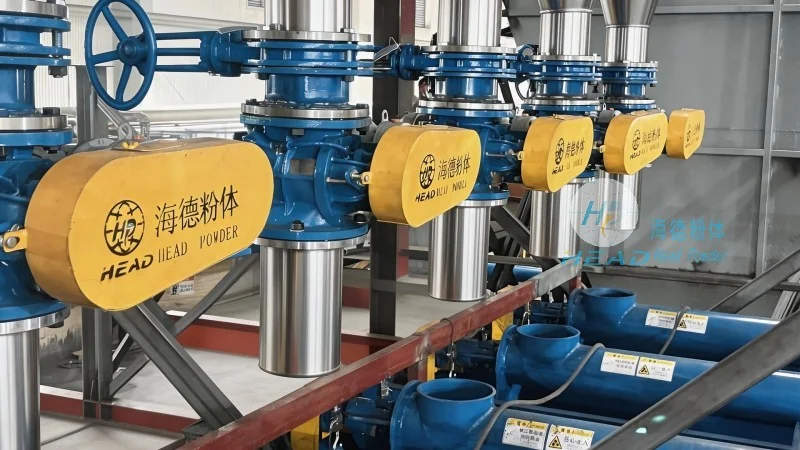
Pneumatic conveying, also known as air-assisted transport, is a popular choice for zinc oxide powder due to its ability to handle fine powders without the need for mechanical components that could cause wear or contamination. This method uses compressed air to move material through a pipeline system. There are two main types: pressure and vacuum systems. Pressure systems are ideal for long-distance transport and high-volume applications, while vacuum systems are better suited for short distances and material recovery from collection points. The key advantage of pneumatic conveying is its flexibility in handling varying particle sizes and moisture levels, making it suitable for zinc oxide powder with its fine and sometimes sticky characteristics. However, it requires careful control of air pressure and flow rates to prevent material blockages and ensure consistent performance.
2. Screw Conveyors: Mechanical and Reliable Transport
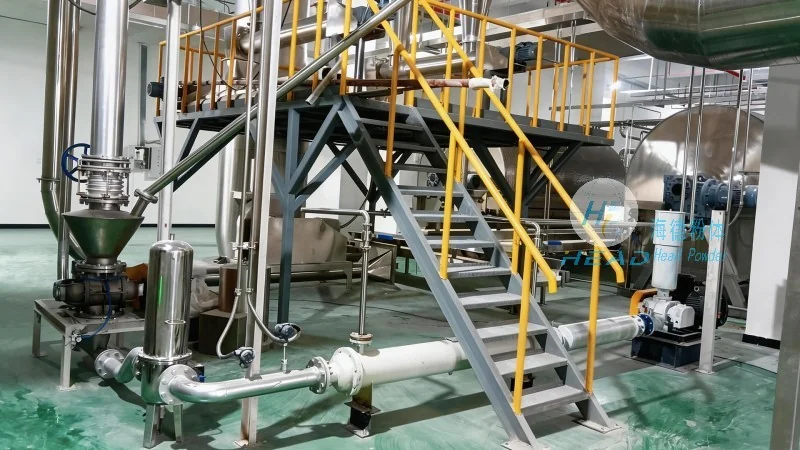
Screw conveyors, or auger conveyors, are mechanical devices that use a rotating screw to move material along a trough. They are widely used in the chemical and food industries for their simplicity and reliability. For zinc oxide powder, screw conveyors are effective for horizontal or slight incline transport, especially in applications where dust control is less critical than mechanical durability. These systems are easy to install and maintain, with minimal moving parts, reducing the risk of mechanical failure. However, they may not be suitable for very fine powders that can cause excessive wear on the screw and trough, leading to product contamination. Additionally, screw conveyors are less efficient for vertical lifting compared to other methods, making them ideal for horizontal transport over short to medium distances.
3. Bucket Elevators: Vertical Transport with High Capacity
Bucket elevators are designed specifically for vertical material transport, making them a preferred choice when zinc oxide powder needs to be moved between different levels of a facility. These systems consist of a continuous chain with buckets attached, which lift material from the bottom to the top as the chain rotates. Bucket elevators offer high capacity and can handle large volumes of zinc oxide powder efficiently. They are particularly useful in applications where space is limited vertically but horizontally extensive. The main advantage is their ability to transport material over significant vertical heights without the need for multiple stages, which reduces energy consumption and system complexity. However, they require regular maintenance to ensure the buckets and chain are in good condition, as wear can lead to material spillage and system downtime. Additionally, bucket elevators may not be suitable for very fine or cohesive powders that can stick to the buckets, causing blockages.
4. Belt Conveyors: Continuous and Versatile Transport
Belt conveyors use a continuous belt to transport zinc oxide powder horizontally or at a slight incline. They are commonly used in bulk material handling and are known for their high capacity and ability to handle a wide range of materials, including powders. Belt conveyors are particularly effective for long-distance horizontal transport, such as moving zinc oxide powder from storage silos to processing units. The main advantage is their simplicity and low maintenance, with minimal moving parts compared to other systems. They can handle large volumes of material with consistent speed, ensuring smooth production flow. However, belt conveyors are not suitable for fine powders that can cause dust accumulation on the belt, leading to maintenance issues and potential product contamination. Additionally, they require regular cleaning and tension adjustments to prevent belt slippage or wear, which can affect performance over time.
5. Comparing Conveying Methods: Key Factors to Consider
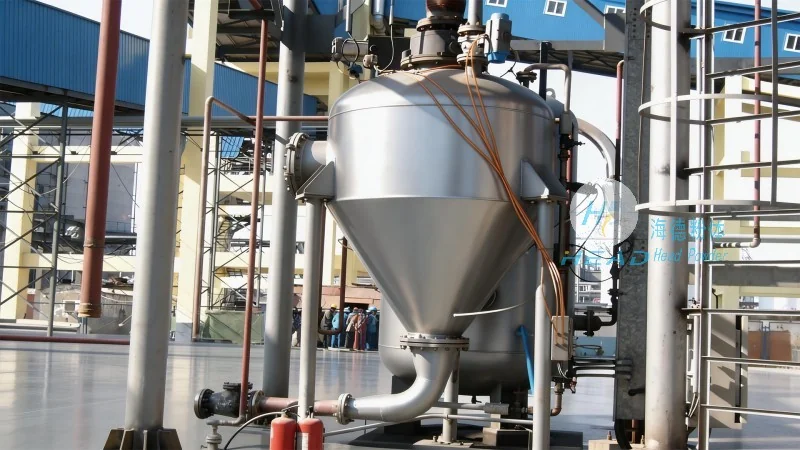
When choosing a conveying method for zinc oxide powder, several factors must be evaluated to ensure the best fit for the application. These include the material's particle size and flowability, the required transport distance and elevation, the system's capacity and speed, and the need for dust control and product purity. Pneumatic conveying excels in handling fine powders and requires less space, but it is more energy-intensive and may need specialized equipment. Screw conveyors offer simplicity and reliability for horizontal transport but are less effective for very fine powders. Bucket elevators are ideal for vertical transport with high capacity but require more maintenance. Belt conveyors provide continuous and versatile transport for long distances but may struggle with dust and fine powders. Shandong HeadPowder Engineering Co., Ltd. recommends assessing these factors and considering the long-term operational costs and maintenance requirements before selecting a conveying system. By understanding the unique properties of zinc oxide powder and the strengths of each conveying method, businesses can optimize their material handling processes and improve overall efficiency.
Conclusion: Selecting the Right Conveying Solution with HeadPowder
Efficient and reliable conveying of zinc oxide powder is essential for maintaining product quality and operational productivity. Shandong HeadPowder Engineering Co., Ltd., based in China, specializes in providing tailored conveying solutions that address the specific challenges of handling fine, hygroscopic materials like zinc oxide. By offering a range of options from pneumatic to mechanical systems, the company helps clients choose the most suitable method based on their operational needs. Whether it's long-distance transport, vertical lifting, or horizontal movement, HeadPowder's expertise ensures that businesses can select a conveying system that maximizes efficiency, minimizes downtime, and maintains product integrity. For more information on zinc oxide powder conveying methods and customized solutions, contact Shandong HeadPowder Engineering Co., Ltd. from China.




