HeadPowder, a leading engineering firm based in Shandong, China, specializes in the design and implementation of pneumatic conveying systems tailored for the efficient transport of millet. Millet, a staple grain used in various food products and industrial applications, requires reliable and efficient handling to maintain quality and prevent operational disruptions. A critical challenge in millet transport via pneumatic conveying is the risk of pipe blockages, which can lead to system downtime, increased maintenance costs, and product loss. Understanding and implementing the right design parameters are essential to mitigate these risks and ensure smooth operation.
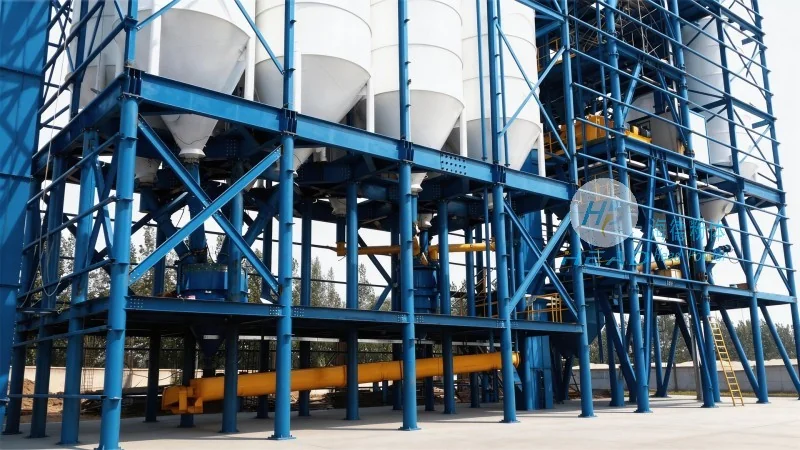
Understanding the Risks of Pipe Blockages in Millet Conveying
Pneumatic conveying systems operate by transporting materials through a pipeline using air pressure. In the case of millet, which is often a fine or semi-fine powder, the particles can agglomerate or adhere to the inner walls of the pipe, leading to blockages. These blockages can occur due to several factors, including the material's moisture content, particle size distribution, and the system's operating pressure and velocity. When a blockage forms, it can impede the flow of air and material, causing the entire system to stop or operate inefficiently. Therefore, it is crucial to address these potential issues during the system design phase to prevent them from occurring in practice.
Key Design Parameters for Preventing Pipe Blockages
Several key design parameters must be considered when designing a pneumatic conveying system for millet to prevent pipe blockages. The first parameter is the selection of the appropriate conveying velocity. The velocity of the air must be sufficient to keep the millet particles in suspension but not so high as to cause excessive wear on the system components or lead to particle degradation. HeadPowder recommends maintaining a conveying velocity within the optimal range, typically between 20 to 30 meters per second, depending on the specific millet characteristics and system configuration. This velocity ensures that the particles remain suspended and do not settle or adhere to the pipe walls.
Another critical parameter is the pipe diameter and material. The diameter of the conveying pipe is directly related to the flow rate and pressure drop. A larger pipe diameter reduces the pressure drop and the risk of blockages, as it allows for a more uniform flow of material. However, a larger diameter also increases the system's cost and space requirements. HeadPowder typically recommends using stainless steel or high-quality plastic pipes for millet transport, as these materials are resistant to corrosion and can withstand the abrasive nature of the grain. The inner surface of the pipe should be smooth to minimize friction and prevent particle accumulation.
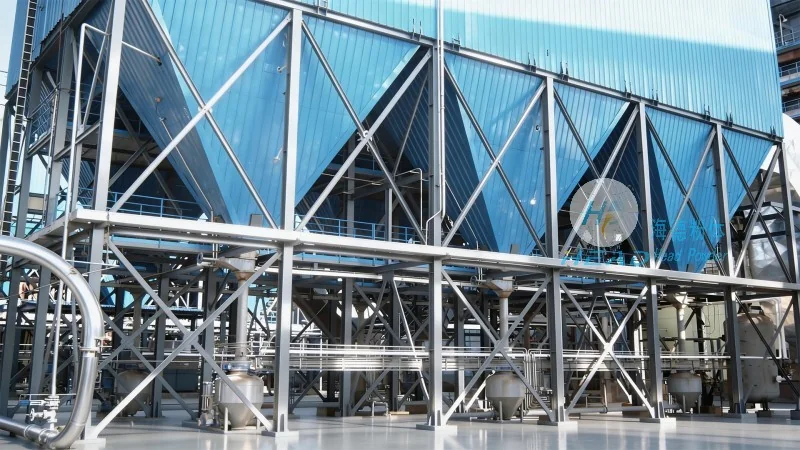
The system's pressure and air flow rate are also vital design parameters. The pressure must be sufficient to overcome the resistance of the pipe and the weight of the material, but it should not exceed the safe operating limits of the system components. The air flow rate is directly proportional to the conveying capacity and must be adjusted based on the millet's bulk density and particle size. HeadPowder uses advanced computational fluid dynamics (CFD) simulations to model the air and material flow, ensuring that the pressure and flow rates are optimized to prevent blockages while maintaining energy efficiency.
System Components and Their Role in Preventing Blockages
In addition to the design parameters, the selection of appropriate system components plays a significant role in preventing pipe blockages. The hopper or feeder is the first component where material is introduced into the system. It must be designed to ensure a consistent flow of millet into the conveying line, avoiding any surges or fluctuations that could lead to blockages. HeadPowder uses high-quality rotary valves or screw feeders that can handle the specific characteristics of millet, providing a steady and controlled feed rate.
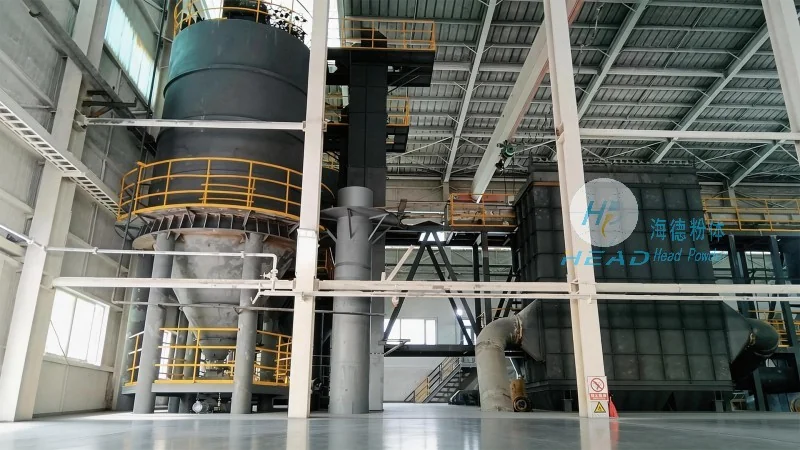
The filter and separator are also crucial components in maintaining system efficiency and preventing blockages. The filter removes any fine particles or dust from the air before it is discharged, preventing contamination and potential blockages in downstream equipment. The separator, on the other hand, separates the millet from the air, allowing the air to be recirculated or discharged safely. HeadPowder recommends using high-efficiency cyclone separators or bag filters that are effective in handling millet particles and preventing them from re-entering the conveying line.
Regular Maintenance and Monitoring for Long-Term Prevention
While proper design is essential, regular maintenance and monitoring are necessary to ensure the long-term prevention of pipe blockages. HeadPowder provides comprehensive maintenance services, including periodic inspections of the pipe interior, cleaning of the hopper and feeder, and replacement of worn-out components. The use of sensors and monitoring systems can also help detect early signs of blockages or system inefficiencies. For example, pressure sensors can detect sudden drops in pressure, indicating a potential blockage, allowing for timely intervention. HeadPowder's maintenance programs are tailored to the specific needs of each client, ensuring that the system operates at peak efficiency and minimizing downtime.
Conclusion: Ensuring Efficient Millet Transport with HeadPowder
Preventing pipe blockages in pneumatic conveying systems for millet transport requires a combination of proper design, appropriate system components, and regular maintenance. HeadPowder, with its expertise in engineering and material handling, provides comprehensive solutions tailored to the unique needs of millet transport. By focusing on key design parameters such as conveying velocity, pipe diameter, and system pressure, and by using high-quality components and maintenance services, HeadPowder ensures that its clients can achieve efficient, reliable, and cost-effective millet transport. The company's commitment to quality and customer satisfaction has made it a trusted partner in the industry, helping businesses maintain their production schedules and product quality. With HeadPowder's solutions, millet transport can be handled with minimal risk of blockages, ensuring smooth operations and maximum productivity.




