Calcium hydroxide, commonly known as slaked lime, is a widely used chemical in various industrial processes. The efficient transportation of this material is crucial for maintaining production efficiency and safety. This article provides an in-depth look at the working principles and classification applications of calcium hydroxide pneumatic conveying systems, highlighting the technology's importance in modern industrial operations.
Working Principle of Calcium Hydroxide Pneumatic Conveying
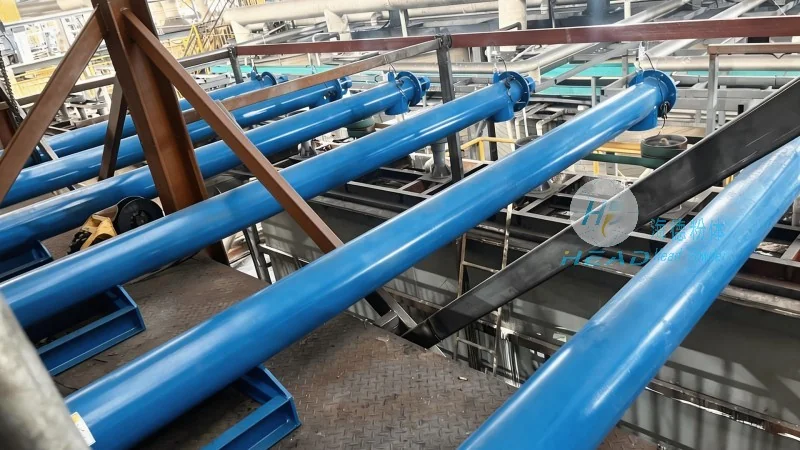
The core of calcium hydroxide pneumatic conveying lies in the use of air or gas to transport the material. The system typically consists of a material hopper, a rotary valve, a conveying pipe, and a dust collector. When the material is fed into the hopper, it is then discharged into the conveying pipe through the rotary valve. The air or gas is then introduced into the pipe, creating a flow that carries the calcium hydroxide particles through the system. The velocity of the air is carefully controlled to ensure that the particles are fully suspended and transported without causing blockages or excessive wear on the equipment.
Key components of the pneumatic conveying system include the material feeder, which ensures a consistent flow of calcium hydroxide into the system. The air compressor or blower provides the necessary pressure and volume of air to move the material. The conveying line is designed with appropriate diameters and slopes to maintain the required air velocity for effective transport. The system also incorporates filters and cyclones to separate the material from the air, preventing dust contamination and ensuring compliance with environmental regulations.
Classification of Calcium Hydroxide Pneumatic Conveying Systems
Calcium hydroxide pneumatic conveying systems can be classified based on the air flow direction and the method of material transport. The two main categories are pressure and vacuum systems.
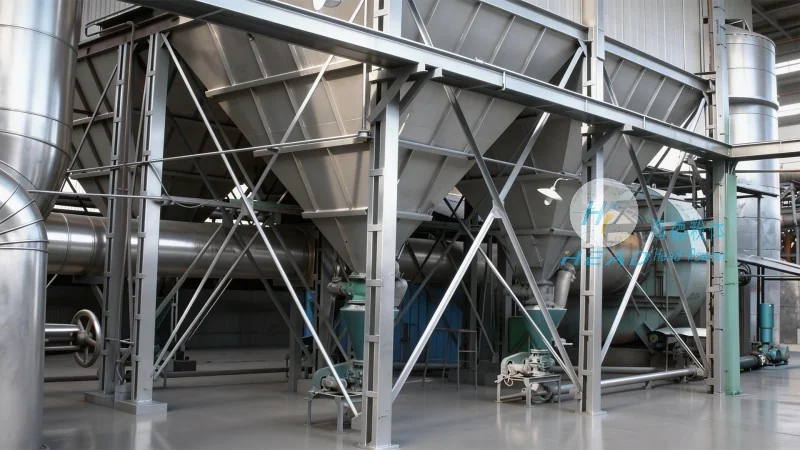
Pressure systems use compressed air to push the material through the conveying line. These systems are suitable for short to medium distances and can handle a wide range of particle sizes. The pressure system operates by creating a positive pressure in the conveying line, which forces the material to move towards the destination. This method is efficient for transporting calcium hydroxide from a central storage to multiple processing points.
Vacuum systems, on the other hand, use a vacuum to draw the material into the conveying line. These systems are ideal for long-distance transport and for applications where the material needs to be collected from multiple sources. The vacuum system creates a negative pressure in the line, which pulls the material from the source into the system. This method is particularly useful when the material is to be transported from a remote location to a processing facility.
Application Scenarios in Industrial Settings
The versatility of calcium hydroxide pneumatic conveying makes it applicable in various industrial sectors. In the construction industry, calcium hydroxide is used as a component in plaster and mortar. The pneumatic conveying system allows for the efficient transport of the material from storage to mixing sites, ensuring consistent quality and reducing labor costs.
In the chemical industry, calcium hydroxide is used in the production of other chemicals and as a neutralizing agent. The system enables the safe and efficient handling of the material, minimizing the risk of dust exposure and improving workplace safety.
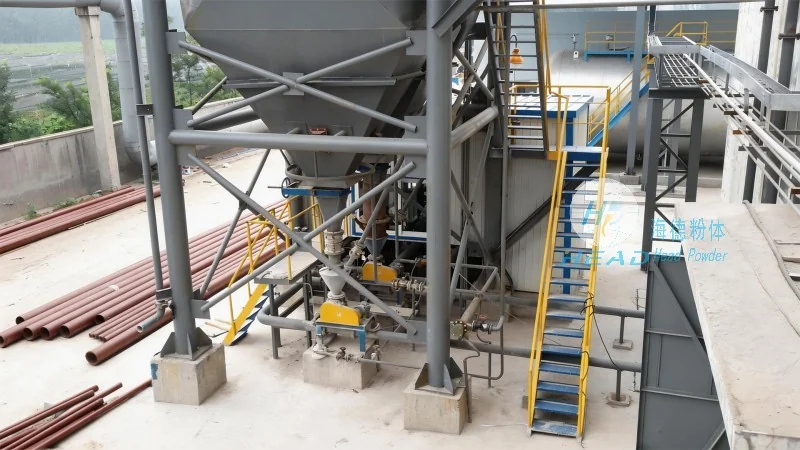
In the environmental sector, calcium hydroxide is used for water treatment and soil remediation. The pneumatic conveying system facilitates the transport of the material to treatment sites, ensuring that the treatment processes are carried out effectively and efficiently.
About Shandong HeadPowder Engineering Co., Ltd.
Shandong HeadPowder Engineering Co., Ltd., commonly known as HeadPowder, is a leading provider of pneumatic conveying solutions. With a focus on innovation and quality, the company specializes in designing and manufacturing systems tailored to the specific needs of calcium hydroxide and other industrial materials. HeadPowder's expertise in material handling technology ensures that their systems are reliable, efficient, and compliant with industry standards. The company's commitment to customer satisfaction and technical excellence has made it a trusted partner for businesses across various industries.
HeadPowder is headquartered in Shandong, China, and serves clients both domestically and internationally. The company's team of engineers and technicians brings years of experience in the field of pneumatic conveying, ensuring that each project is executed with precision and care. By combining advanced technology with a customer-centric approach, HeadPowder continues to deliver high-quality solutions that meet the evolving needs of the industrial sector.




